Illinois, Indiana, Missouri, Iowa, Kansas and Oklahoma Highlighted for Above-Average Tornado Risk as 2026 Season Begins Mid-March
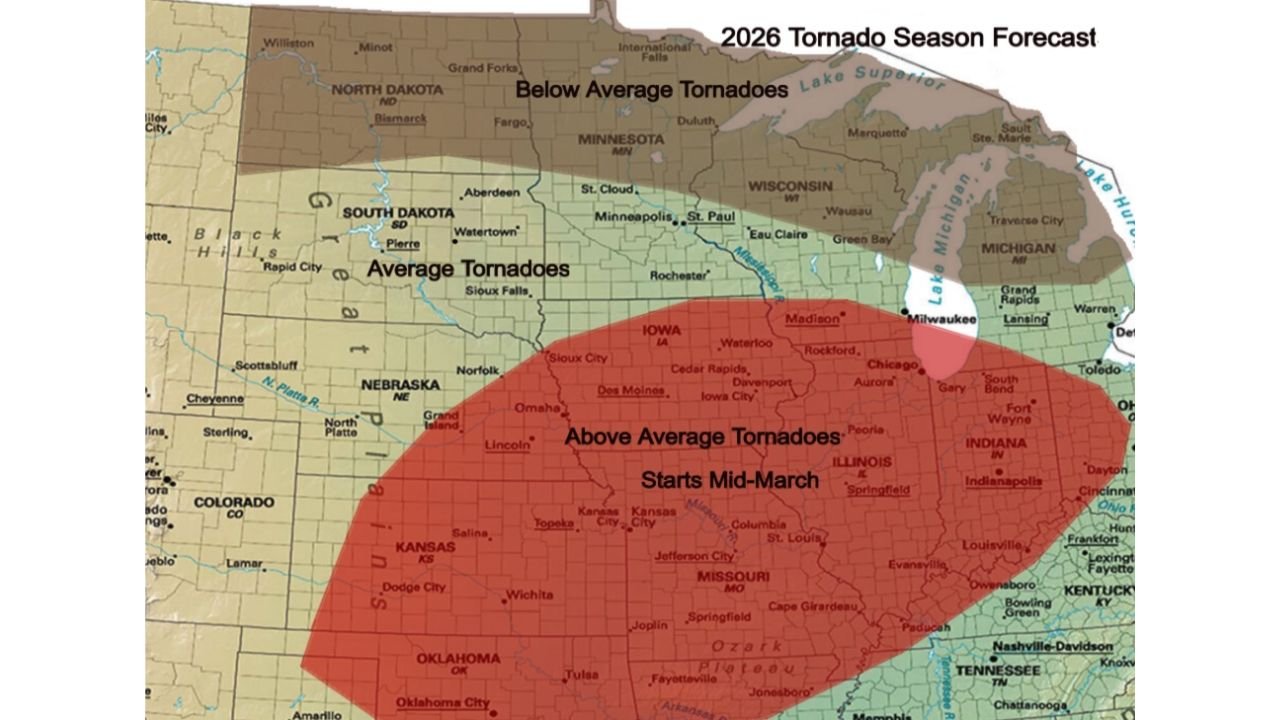
UNITED STATES — A newly released 2026 tornado season forecast is drawing attention across the Midwest and Plains, highlighting a corridor from Oklahoma and Kansas through Missouri, Illinois, Indiana and Iowa as an area expected to see above-average tornado activity beginning in mid-March.
The outlook map outlines a broad red-shaded zone centered over the nation’s traditional Tornado Alley and expanding into parts of the Mid-Mississippi Valley and lower Great Lakes region.
Above-Average Tornado Zone: Plains to Midwest
The forecast’s highlighted risk area includes:
- Oklahoma
- Kansas
- Missouri
- Iowa
- Illinois
- Indiana
- Southern Nebraska
Major cities within this zone include:
- Oklahoma City
- Tulsa
- Wichita
- Kansas City
- St. Louis
- Des Moines
- Chicago
- Indianapolis
According to the projection, the above-average threat is expected to begin ramping up in mid-March, marking an early transition into severe weather season for the central United States.
Illinois and Indiana in the Core Risk Area
Notably, Illinois and Indiana sit squarely within the red-shaded region, suggesting the potential for a more active-than-normal spring tornado season across:
- Chicago metro
- Central Illinois including Springfield and Peoria
- Indianapolis and surrounding central Indiana
- Southern portions of both states near the Ohio River
The placement of these states in the core zone suggests forecasters see favorable ingredients aligning across the Midwest as the season begins.
Missouri and Kansas Remain in Traditional Tornado Alley Focus
Missouri and Kansas, long recognized as part of classic Tornado Alley, are once again projected to be in the heart of above-average activity.
Cities such as:
- Kansas City
- Topeka
- Wichita
- Springfield, Missouri
- Jefferson City
- Columbia
- St. Louis
Are positioned directly inside the higher-risk corridor.
This indicates that the central Plains and Mid-Mississippi Valley may see repeated storm systems capable of producing severe thunderstorms and tornadoes.
Iowa and Nebraska Also Included
The map shows much of Iowa and southern Nebraska in the elevated zone as well, including:
- Des Moines
- Cedar Rapids
- Omaha
- Lincoln
These areas often experience peak tornado activity later in spring, but the forecast suggests early-season development could begin sooner than average.
Below-Average Tornado Expectations in Upper Midwest
In contrast, the outlook shows below-average tornado activity projected across:
- North Dakota
- Minnesota
- Northern Wisconsin
- Upper Michigan
This northern tier region is shaded differently, signaling a reduced expectation for tornado frequency compared to seasonal norms.
Average Risk Across Western High Plains
Parts of western Nebraska, eastern Colorado, and portions of the High Plains are indicated as closer to seasonal averages rather than strongly above normal.
This suggests the most concentrated activity may focus farther east than some traditional peak corridors.
What “Above Average” Means
An above-average forecast does not guarantee a specific number of tornadoes but indicates:
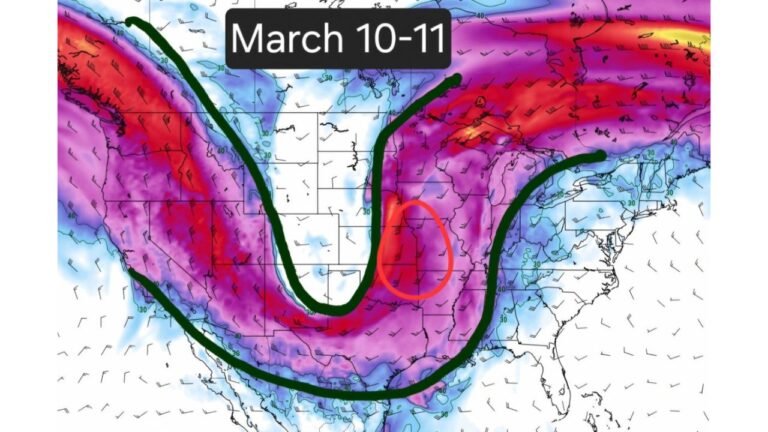
- Atmospheric patterns may favor more frequent severe storm setups
- Stronger or more frequent jet stream interactions
- Increased moisture return from the Gulf of Mexico
- Enhanced instability during spring transitions
Seasonal outlooks are based on large-scale climate patterns rather than individual storm forecasts.
Mid-March Marks the Transition
The map specifically notes activity “Starts Mid-March,” signaling that the climatological ramp-up could begin earlier in the central U.S., particularly across Oklahoma, Kansas, Missouri and Illinois.
For residents in these states, this serves as an early reminder to review severe weather safety plans and ensure alert systems are functioning ahead of spring.
ChicagoMusicGuide.com will continue monitoring evolving severe weather signals and provide updates as the 2026 tornado season approaches across Illinois and the broader Midwest.