Minneapolis, Fargo and Duluth Face Prolonged Freeze Risk as Week 2 Forecast Signals Below-Normal Temperatures Across Upper Midwest
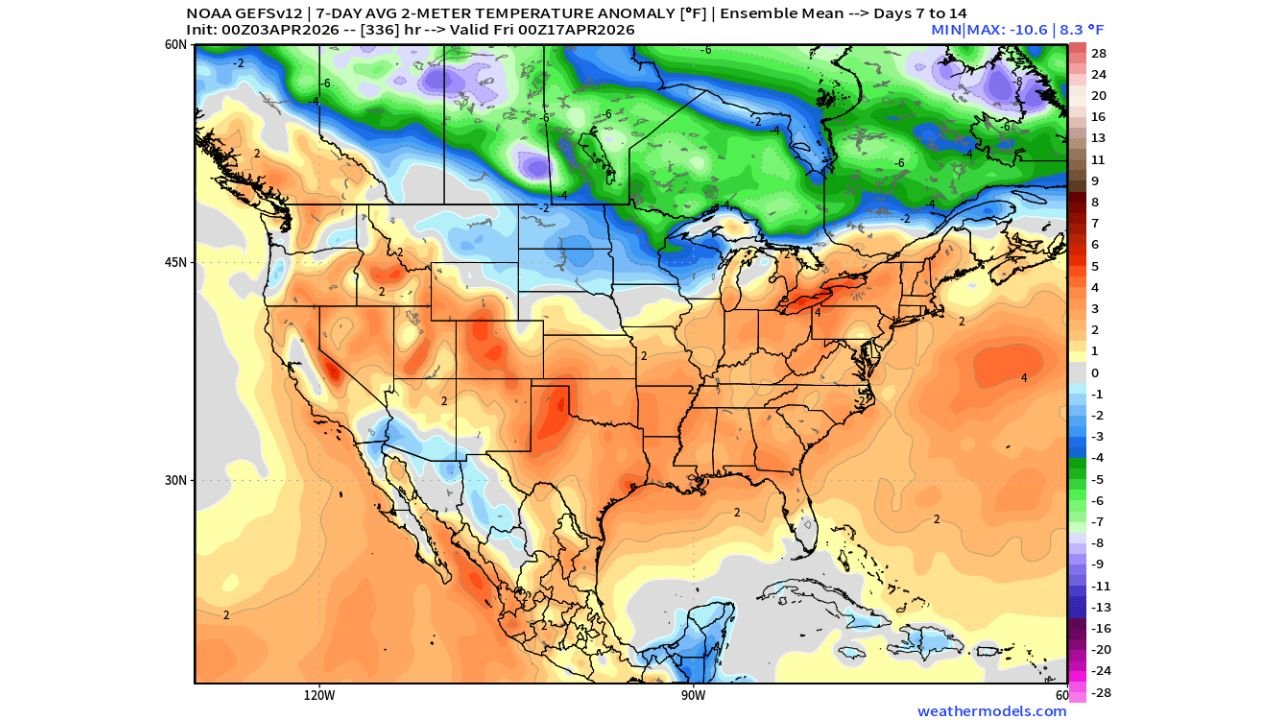
MINNEAPOLIS, MINNESOTA — A significant cooldown is expected to settle across the Northern Plains and Upper Midwest in the extended Week 2 forecast, with cities like Minneapolis, Fargo, Duluth, and surrounding regions likely to experience below-normal temperatures and repeated overnight freezing conditions.
Forecast models indicate that this colder pattern could persist for several days, raising concerns about late-season frost and freeze impacts across a region that is typically transitioning deeper into spring.
Below-Normal Temperatures Expected Across the Upper Midwest
The latest temperature outlook highlights a broad area of cooler-than-average conditions stretching across Minnesota, North Dakota, Wisconsin, and nearby states. Cities including Minneapolis, Duluth, Fargo, and Grand Forks are expected to sit firmly within this colder zone.
This pattern suggests that daytime highs may remain suppressed, while nighttime temperatures drop even further, increasing the likelihood of consistent cold mornings throughout the period.
The Upper Midwest appears to be positioned under a persistent trough pattern, allowing colder air from the north to settle into the region. This setup will make it difficult for temperatures to rebound quickly, keeping the area locked in a cooler-than-normal regime.
Multiple Nights of Freezing Temperatures Likely
One of the most notable aspects of this forecast is the expectation that overnight temperatures will repeatedly fall to or below freezing. This includes key locations such as Minneapolis, Fargo, Duluth, and Eau Claire, where conditions may support frost formation on several consecutive nights.
This extended stretch of cold nights could have impacts on:
- Early spring vegetation and crops
- Gardening and planting schedules
- Outdoor infrastructure sensitive to freezing temperatures
Residents should be aware that even if daytime conditions feel mild at times, overnight cooling will remain the primary concern, especially in rural and low-lying areas where temperatures can drop more quickly.
Sharp Contrast Between Northern and Southern U.S. Weather Patterns
While the Upper Midwest deals with colder conditions, much of the central and southern United States is expected to experience above-normal temperatures, creating a sharp contrast across the country.
States farther south, including parts of the Central Plains and Southeast, are forecast to remain warmer than average, highlighting a divided weather pattern across the U.S.. This contrast often leads to active weather boundaries, though the primary focus for the Upper Midwest remains the sustained cold.
Cities such as Chicago and Milwaukee may sit closer to the transition zone, where temperatures fluctuate more compared to the deeper cold farther north.
What Residents in Minneapolis, Fargo and Duluth Should Prepare For
As the Week 2 timeframe approaches, residents across the Upper Midwest should take steps to prepare for an extended period of cooler conditions:
- Expect below-normal daytime temperatures
- Prepare for multiple nights at or below freezing
- Protect plants, gardens, and sensitive outdoor items
- Monitor forecasts for refined temperature trends and timing
This pattern serves as a reminder that winter-like conditions can still return even as spring progresses, particularly across northern states.
For more updates on extended forecasts, regional weather changes, and seasonal outlooks, visit ChicagoMusicGuide.com and stay informed as this colder pattern develops.