AI Music Scams Siphon Streams From a Philadelphia Duo as Fake Artists Using Stolen Recordings Expose Gaps in Spotify and Soundcloud Policing
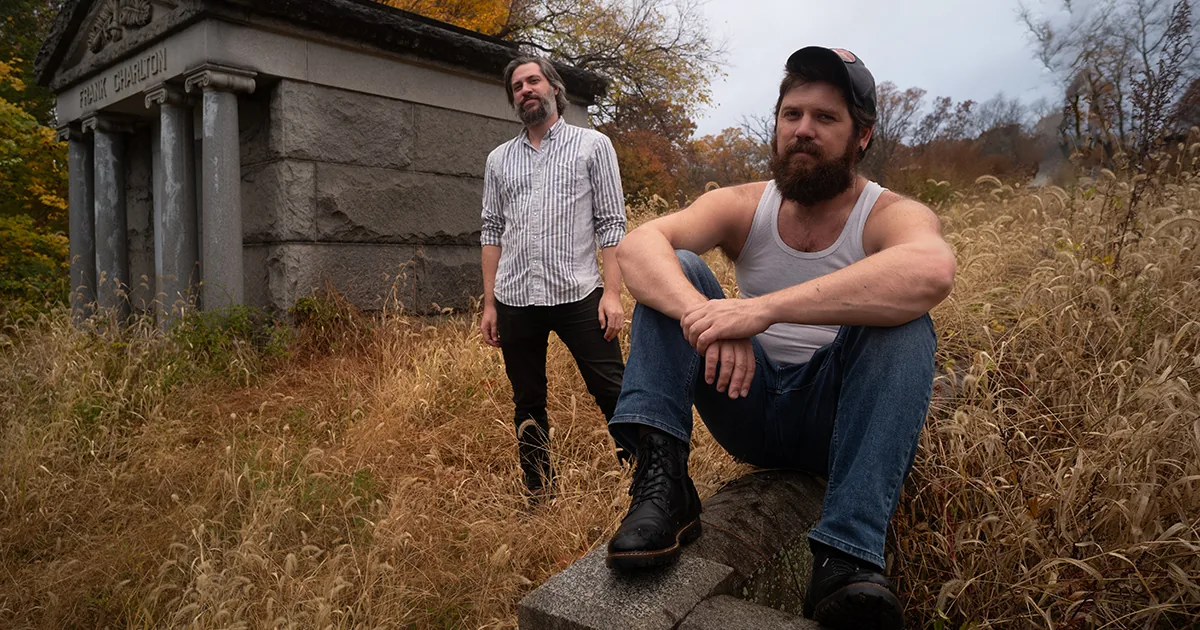
PHILADELPHIA, PA — A Philadelphia musician says his band’s recordings were copied, lightly altered, and reposted under fake artist names on Spotify, where they drew hundreds of thousands of streams before he could get them removed.
The case began when a longtime listener flagged an album that sounded like Makeshift Hammer, the West Philly duo the musician performs in. What followed was a deep dive into fake profiles, bot-like listening patterns, and the limits of takedown systems on major streaming platforms.
How the fake albums mirrored Makeshift Hammer songs
The first suspicious release was Blue Road by an artist listed as Carey Dupont. The album had no real online footprint, no clear social presence, and cover art that appeared AI-generated or otherwise artificial.
Its tracks were near matches for Makeshift Hammer songs, with titles such as “All My Friend,” “Bankers and Liars,” and “If Not Obvious” echoing the band’s “All My Friends,” “Banker and a Liar,” and “If It’s Not Obvious.” The recordings themselves were the band’s, only slightly sped up or slowed down to make detection harder.
Six months later, a second fake release called Powerful Thinking by Hayden Donne surfaced with the same pattern. That album mixed stolen Makeshift Hammer songs with other artists’ material and also used renamed, minimally altered tracks.
Streaming numbers suggested automation, not real fans
The musician said the listening data did not look normal. On Blue Road, each track drew roughly similar play counts, which stood out because genuine Spotify albums usually show uneven totals across songs.
By the time he reviewed the numbers, Blue Road had collected more than 650,000 streams. The later Hayden Donne album generated more than 235,000 streams before disappearing from Spotify.
He concluded the pattern pointed to fake listeners or bot-driven traffic. He also noted that the scam was not just boosting a fake artist’s profile; under Spotify’s royalty system, those streams could reduce the share paid to the real musicians whose recordings were copied.
Takedown efforts ran into slow responses from platforms
After researching the distributor information, the musician sent takedown notices to both SoundCloud and Spotify and asked for identifying details about the accounts behind the releases.
SoundCloud replied with automated messages and a customer-service survey but did not provide the information requested or remove the music right away. Spotify did not respond, according to the account in the story.
He also considered legal options, including a possible subpoena request under the Digital Millennium Copyright Act, but said the process could help him protect the songs without necessarily making it easy to publicly identify the scammers.
Independent artists say the system favors scale over small acts
The piece argues that low-budget, DIY musicians are especially exposed because they do not have legal teams or the leverage that major labels bring to disputes with streaming platforms.
It also says newer AI-generated acts and automated music projects are making the problem harder to police. The musician points to recent examples in the broader industry, including AI-made bands and songs gaining major traction online.
For him and his bandmate, the episode became part warning and part proof of a larger shift: the tools used to copy and exploit small artists are becoming easier to use, while the platforms’ cleanup systems remain slow and incomplete.
Keep up with Chicago Music Guide.