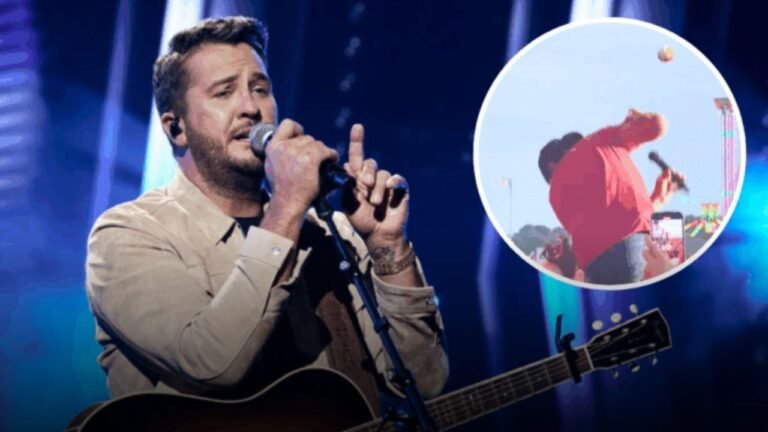
Federal Prosecutors Say a Typo Wrongly Linked Maoli Singer Glenn Awong to a Drug Case, as Fake AI Videos Spread the False Arrest Claim Across Hawaiʻi
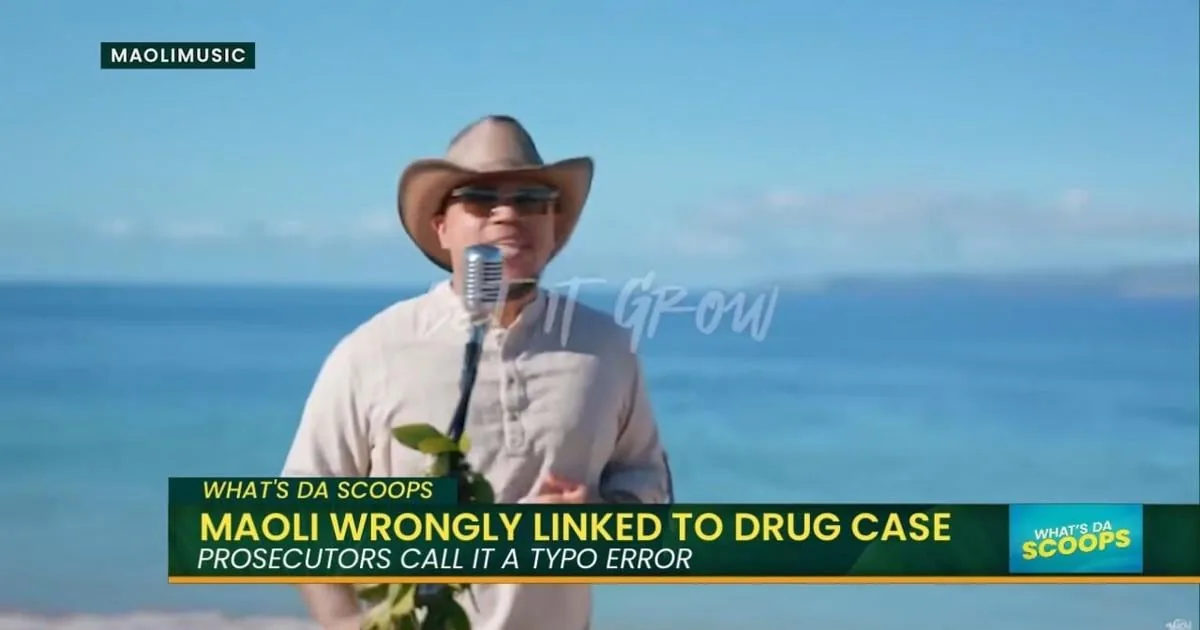
HONOLULU, HI — Federal prosecutors have acknowledged that a typographical error incorrectly tied Maoli singer Glenn Awong to an alleged methamphetamine supplier. The mistake quickly became fuel for a round of fabricated, AI-generated videos claiming the Hawaiʻi musician had been arrested.
The false posts widened the confusion around a real federal drug case, turning a simple error into a viral rumor with a very public target. The situation underscores how quickly inaccurate online content can take off once it is attached to a recognizable local name.
How the error turned into a viral falsehood
According to the report, the mistaken link in federal paperwork was enough to suggest Awong had a role in the case, even though prosecutors later said the association was wrong. That correction matters because the initial error appeared in the kind of official context that can give misinformation an outsized appearance of credibility.
From there, AI-made videos began circulating with the false claim that the singer had been arrested. The source says those clips were not real, but they were convincing enough to add a new layer of damage to the original typo.
Why the story landed so hard with Hawaiʻi audiences
Awong is known to fans as the singer for Maoli, making the false arrest claim especially sensitive in Hawaiʻi’s music community. A local artist being swept into a drug case, even mistakenly, can spread fast across social media and quickly become a reputational problem.
The episode also shows how a small clerical mistake can have outsized consequences when it collides with AI-generated media. In this case, the false narrative moved beyond a simple correction and became a separate rumor that had to be untangled.
What happens next after prosecutors corrected the record
The key development is that prosecutors have now recognized the typo and the incorrect connection to Awong. That clarification should help push back against the misleading videos, though the source does not say when or whether every false post will disappear.
For readers, the takeaway is straightforward: the singer was wrongly linked to the case, and the arrest claim was false. The incident is now less about the drug investigation itself than about how official mistakes and AI deception can combine into a fast-moving online hoax.
Chicago's music scene, one story at a time — Chicago Music Guide.