Janet Mcmahan Trades Roy Orbison Stages for Nashville Senior Living Rooms, Where the Former Keyboard Player Says Singalongs Bring Her More Joy Than Sold-Out Crowds
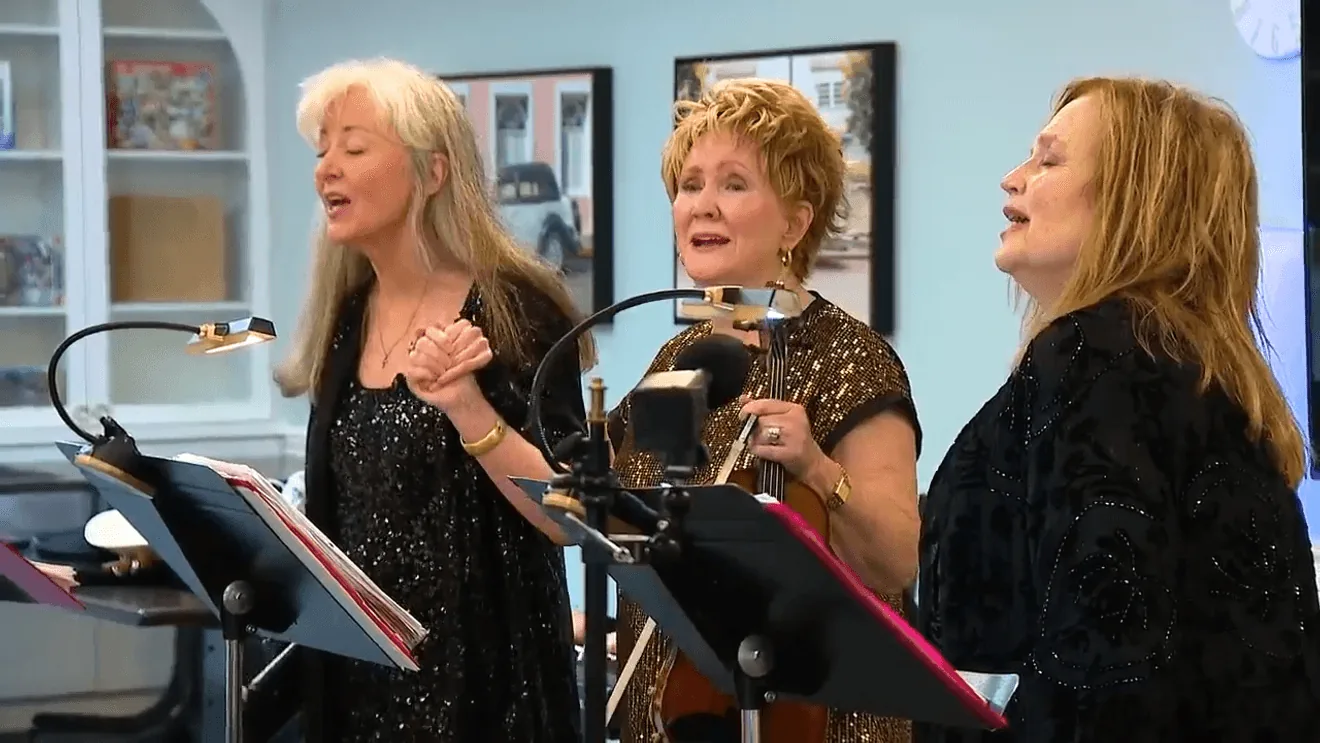
NASHVILLE, TN — Janet McMahan has spent years playing with some of the biggest names in music, but today her favorite audience gathers in senior living community rooms. The veteran musician, once on keyboards for Roy Orbison and John Denver, says those smaller shows now give her a deeper kind of satisfaction.
McMahan’s career has taken her from major stages to intimate gatherings where residents know every lyric. She says the change is not a downgrade but a shift to something richer, with more connection and more emotional payoff. For her, the applause matters less than the shared memory in the room.
From Roy Orbison and John Denver to a new kind of spotlight
McMahan’s résumé reaches far beyond today’s senior living performances. She has played with Roy Orbison and John Denver, crossed paths with George Harrison and Gordon Lightfoot, and even wrote a song for Big Bird. Those credits place her firmly in a musical world that once revolved around fame, travel and big audiences.
Still, McMahan speaks about the present with no sense of regret. She says she loved the earlier chapters of her career, but the work she does now carries its own reward. In her view, the emotional return on these performances is larger than what she found in the glare of major venues.
That perspective helps explain why she performs exclusively for senior citizens now. The rooms may be smaller, but the response is often immediate, personal and unmistakably enthusiastic.
Inside The Three Dolls' high-energy movie-and-music routine
At Woodcrest Senior Living, McMahan performs with fellow entertainers known as The Three Dolls. Their show takes the audience on a fast-moving journey through movie history, mixing dialogue, costume changes, multiple instruments and a steady stream of songs people already know.
The act is built for memory as much as melody. Residents often sing along, turning the room into a shared performance rather than a one-way concert. The familiarity of the music seems to pull people back to earlier chapters of their lives, along with the films and sounds they remember best.
McMahan’s routine is energetic, but it is also carefully tuned to the audience in front of her. The goal is not spectacle for its own sake. It is to create a few hours that feel warm, recognizable and fun.
Why the music hits harder for older listeners
For many of the people in the room, the songs do more than entertain. They reopen a time when life may have felt simpler, lighter or just more familiar. McMahan says that effect is part of what makes the performances so meaningful to her and to the people watching.
The show becomes a kind of shared retreat. It gives seniors a chance to revisit music tied to earlier days and to connect with one another in the moment. The reaction is visible in the singalongs, the smiles and the steady attention the performers receive.
That bond is what sets these appearances apart from the biggest concerts McMahan once knew. Instead of standing far from the crowd, she is close enough to hear reactions, recognize faces and feel the room respond in real time.
McMahan's bedside singing and the relationships that lasted until the end
McMahan says the work has taken her beyond entertainment and into deeply personal territory. Over the years, she has formed close relationships with many of the people she performs for, and some of those connections continued until the final moments of their lives.
She describes being present with people as they were dying, holding their hands and singing beside their beds. Those experiences, she says, made the work feel sacred rather than routine. The emotional weight of those moments stayed with her long after the performances ended.
That level of intimacy is not something a sold-out crowd can match. For McMahan, the smaller setting can carry far more human meaning, because the music becomes part of someone’s final memories as well as their happier ones.
Why the tears after a show are the good kind
McMahan says she often leaves a performance feeling emotional in the best way. After a gig, she sometimes goes home and cries a little because the experience feels so sentimental, beautiful and meaningful. She says those are not sad tears in the usual sense, but a release that comes from doing work that matters.
That reaction helps explain why she sees senior living performances as more rewarding than her former life in the spotlight. The shows may not come with the scale of a major concert, but they bring her a sense of purpose that she values more.
The Tennessee Health Care Association recently named McMahan its Volunteer of the Year, a recognition that fits the role she has built. In the end, her greatest audience is not the loudest one, but the one that sings along and remembers right along with her.
Chicago's music scene, one story at a time — Chicago Music Guide.