Morris Albert Turns 75 as ‘Feelings’ Remains the Brazilian Ballad Elvis Presley Rehearsed and a 1975 Billboard Hit That Crossed Into Pop Standards
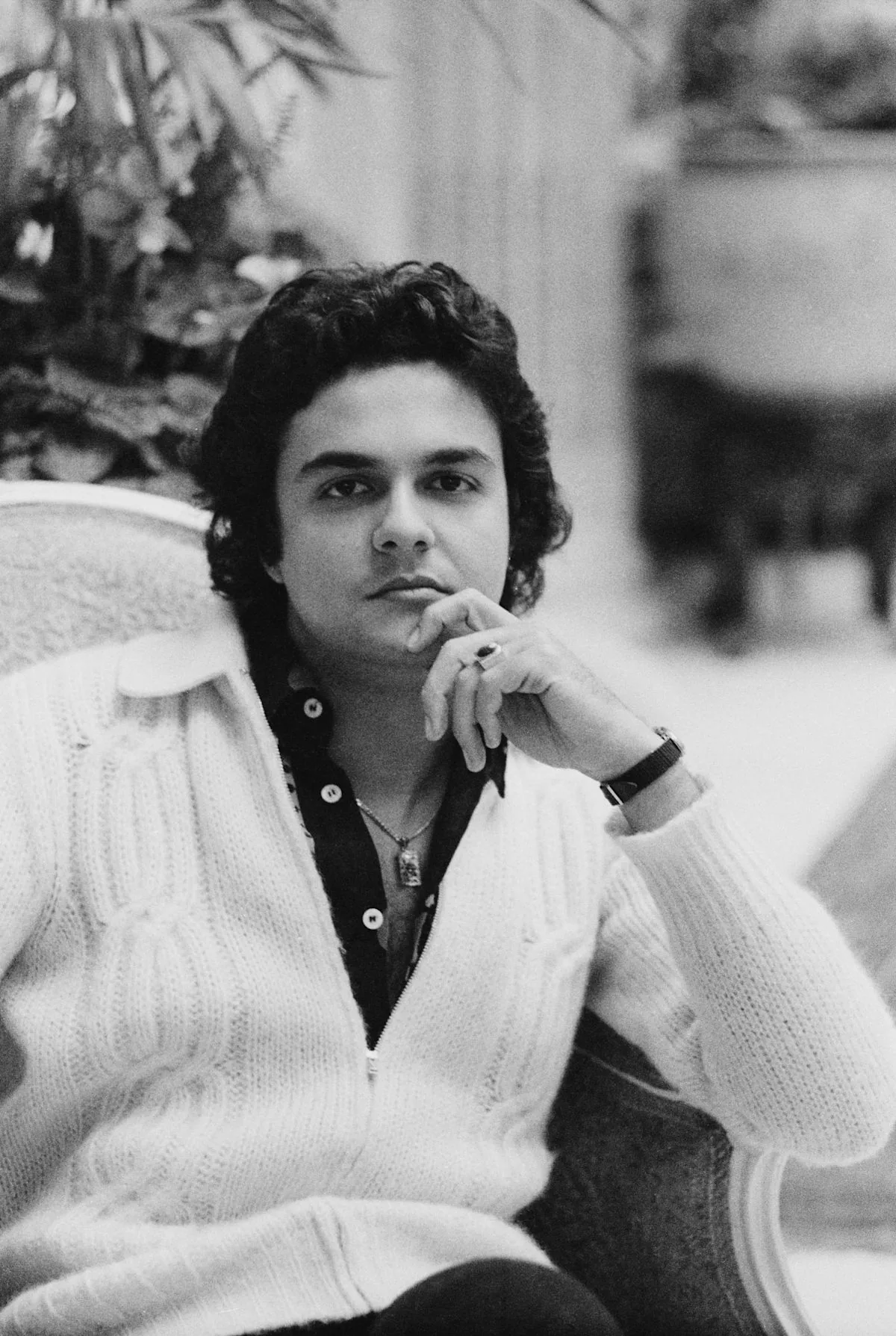
NEW YORK, NY — Morris Albert turned 75 on Sept. 7, a milestone that once again puts the spotlight on the Brazilian singer-songwriter best known for “Feelings.” The 1975 ballad became his signature song, moved from American radio to listeners around the world, and was later taken up by an unusually wide range of performers.
That list included Elvis Presley, who rehearsed the song in 1976. Albert may have released other material over the years, but “Feelings” is still the recording most closely tied to his name and career.
From São Paulo to an international breakthrough
Albert was born Maurício Alberto Kaisermann in São Paulo in 1951, and he began recording in Brazil before “Feelings” changed his career trajectory. The song arrived in the mid-1970s with a restrained vocal and a sweeping melody that fit the softer pop sound of the era.
Its message was simple and familiar: the lingering emotions left after a relationship ends. That directness helped the record travel well beyond Brazil and connect with a broad audience in the United States and abroad.
Albert’s breakthrough was not just a matter of one catchy single. It marked the moment a Brazilian singer-songwriter became an international name through a song that sounded intimate but proved easy to carry across borders.
How ‘Feelings’ climbed the U.S. charts
The song made a strong showing in the United States in 1975, reaching No. 6 on the Billboard Hot 100 and No. 2 on Billboard’s Easy Listening chart. Those placements helped confirm that “Feelings” was more than a cult favorite or a regional success.
It became a genuine mainstream hit, and that commercial momentum helped push Albert into a more visible spot in popular music. The track also brought Grammy nominations for Song of the Year, Best New Artist, and Best Pop Vocal Performance, Male.
For Albert, the numbers mattered because they showed how far the record had traveled from its Brazilian roots. For U.S. listeners, they marked the arrival of a soft rock standard that seemed to arrive fully formed.
The woman behind the song stayed unnamed
Albert has long said the song came from a real-life crush, but he never identified the woman who inspired it. In a 2004 interview with Revista Istoé, he said the muse was a beautiful woman from Rio and described the attraction as platonic.
He also said he was 19 while she was 30, and that nothing happened between them. Albert recalled writing the lyrics in a house in São Paulo while preparing songs for his first LP, during a night of heavy rain when he could not sleep.
According to his account, the words came quickly and directly in English. That detail helps explain why “Feelings” has such a personal feel even though Albert kept the real identity of its subject private.
Copyright battle changed the song’s credit
Success did not end the song’s complications. Albert was first credited as the sole writer, but French songwriter Louis Gasté later sued him, arguing that “Feelings” copied the melody of Gasté’s 1956 song “Pour Toi.”
Gasté won the copyright case, and the song is now credited to both composers. That ruling changed the formal history of one of the era’s best-known soft rock ballads and became part of the story surrounding the record.
Even with the legal dispute attached to it, the song remained firmly associated with Albert’s voice and style. The copyright fight altered the paperwork, but it did not weaken the public memory of the recording.
Why the song kept living through other voices
The reach of “Feelings” grew far beyond Albert’s own version because major singers kept returning to it. Frank Sinatra, Ella Fitzgerald, Shirley Bassey, Johnny Mathis, and Sarah Vaughan all performed or recorded the song, helping it move from hit single to pop standard.
Presley’s connection gave the song another layer of fame. He rehearsed it in 1976 while at Graceland, though it was not released as a conventional studio single during his lifetime.
Albert later issued other songs, including “She’s My Girl” and “Sweet Loving Man,” but none matched the scale of “Feelings.” More than 50 years later, the ballad still defines him, linking a Brazilian recording career to some of the biggest voices of the 20th century.
Chicago's music scene, one story at a time — Chicago Music Guide.