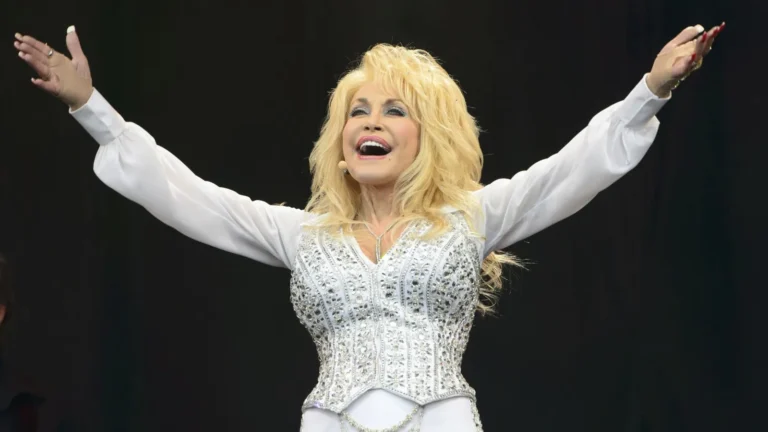
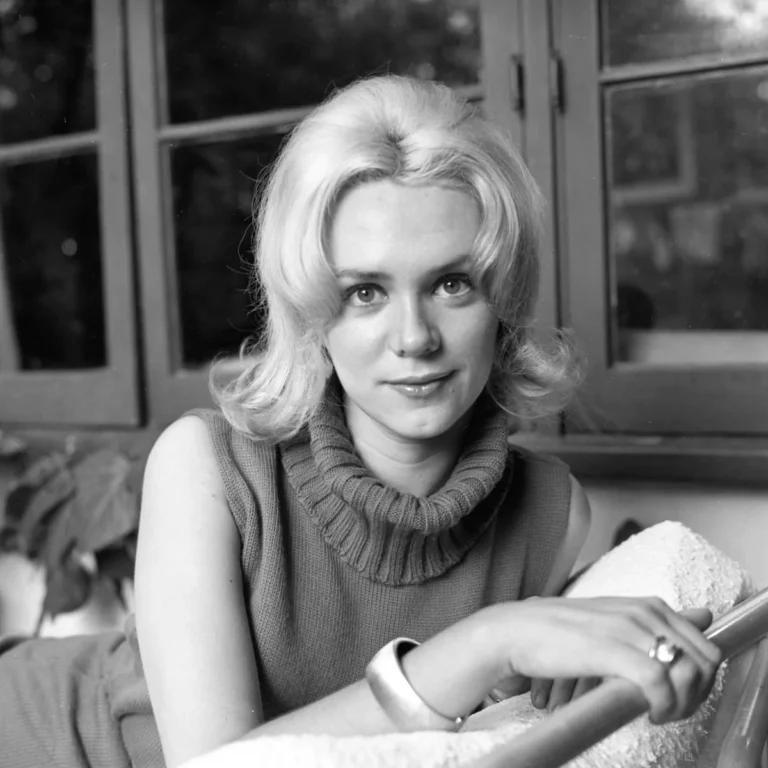
Rosalind Ashford, Original Martha and the Vandellas Soprano Behind Dancing in the Street and Heat Wave, Dies at 83 in Redford Township
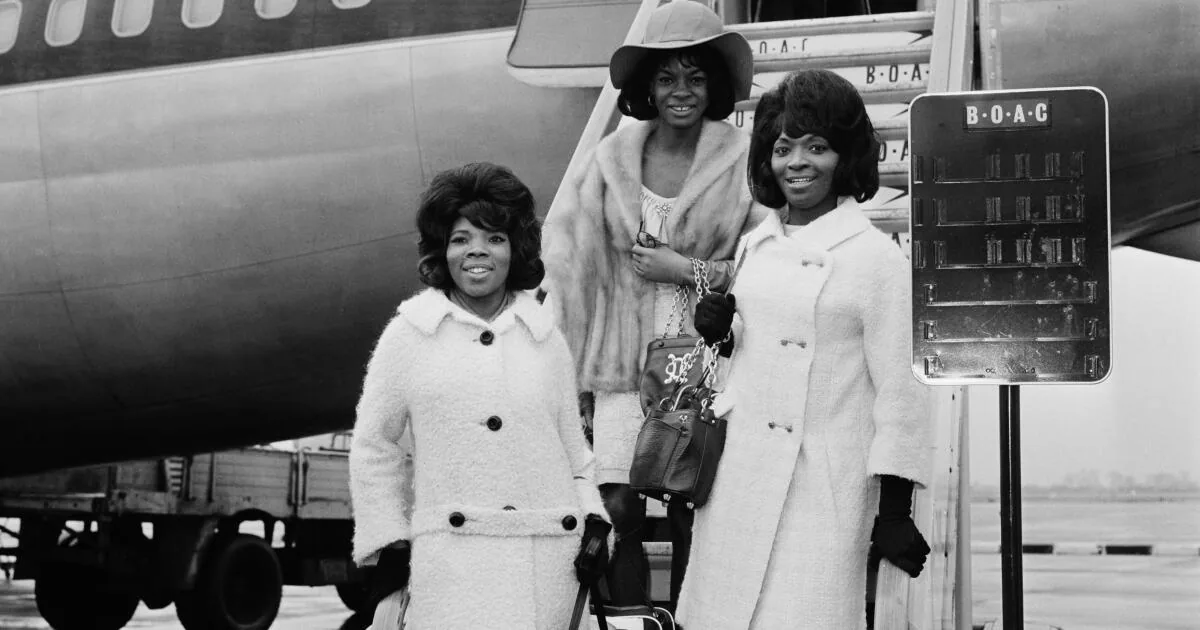
DETROIT, MI — Rosalind Ashford, one of the original voices of Martha and the Vandellas and the soprano heard on signature Motown songs such as Dancing in the Street and Heat Wave, has died at 83.
Her death was attributed to natural causes and occurred Tuesday in Redford Township, a suburb of Detroit, according to the Detroit Free Press. Ashford helped shape the sound of a group that became one of the most durable acts in the Motown catalog, with harmonies that carried from church roots to the top of the charts.
A Motown voice that helped define the label’s early rise
Ashford sang on more than 20 of Martha and the Vandellas’ Top 40 singles on Billboard’s R&B chart. Among the biggest were Heat Wave, which reached No. 1, and Dancing in the Street, which climbed to No. 2 on the U.S. Billboard Hot 100.
The group’s success helped establish Motown as a hit-making force well beyond Detroit. Heat Wave also brought the trio a Grammy nomination for best R&B recording in 1964, making Martha and the Vandellas the first Motown group to receive a Grammy nomination.
From Detroit church choirs to an audition at the YMCA
Born Sept. 2, 1943, to John and Mary Ashford, she developed her soprano in the church choir and later in the glee club at Wilbur Wright High School in Detroit. Her early singing put her on a path that eventually led to one of the city’s best-known musical partnerships.
In 1957, Ashford landed an audition at the Detroit YMCA, where she connected with Annette Beard and Gloria Williams and, with local music manager Edward “Pops” Larkins, formed the Del-Phis. The group’s early history tied directly into the Detroit music network that would soon power Motown’s rise.
How the Del-Phis became Martha and the Vandellas
According to the Motown Museum, the Del-Phis brought in Martha Reeves, then working as a secretary for Motown A&R director William “Mickey” Stevenson, to join them. The group took backup work on early Marvin Gaye records, including Hitch Hike and Pride and Joy, before its own breakthrough.
The turning point came when Reeves filled in during a recording session after Mary Wells missed the date. Motown liked what it heard, signed the group to the Gordy label in 1962, and moved forward without Williams, who left around that time. The new trio soon became Martha and the Vandellas.
The hits that carried the trio onto the charts
The group’s first breakout single, Come and Get These Memories, arrived in 1963 and reached No. 6 on Billboard’s R&B singles chart. That was followed the same year by Heat Wave, which went to No. 1, and Quicksand, another top-10 hit that kept the momentum going.
By 1967, Jimmy Mack had become the trio’s final U.S. top-10 hit and reached No. 1 on the Billboard R&B singles chart. Ashford’s voice was part of the layered sound that made the group a staple of classic soul and pop radio for decades.
Martha Reeves, the Hall of Fame and the tributes that followed
Martha Reeves said in a statement that she was deeply saddened by Ashford’s death and that Ashford played an important role in the group’s early years. Reeves said Ashford’s voice would remain part of the group’s recordings and called her a missed but never forgotten member of the Motown family.
Martha and the Vandellas were inducted into the Rock & Roll Hall of Fame in 1995, becoming the second all-female group to earn that honor. Classic Motown also posted a tribute on Thursday, saying Ashford’s harmonies helped define a generation and that her contribution to American music and Motown history would not be forgotten.
Life after Motown and the occasional reunion
Ashford left the group and stepped away from the music business in 1969. She later worked for Michigan Bell Telephone Co., though she sometimes reunited with former Vandellas members for reunion performances.
That post-Motown path underscored how far her career had traveled from the early days at the Detroit YMCA to national fame. Even after she left the stage full time, her recordings remained central to the enduring appeal of Martha and the Vandellas.
Chicago's music scene, one story at a time — Chicago Music Guide.