Elliott Smith’s Los Angeles Legacy Still Draws Fans to Snow White Cottages, Largo, New Monkey and the Figure 8 Wall Two Decades After His Death
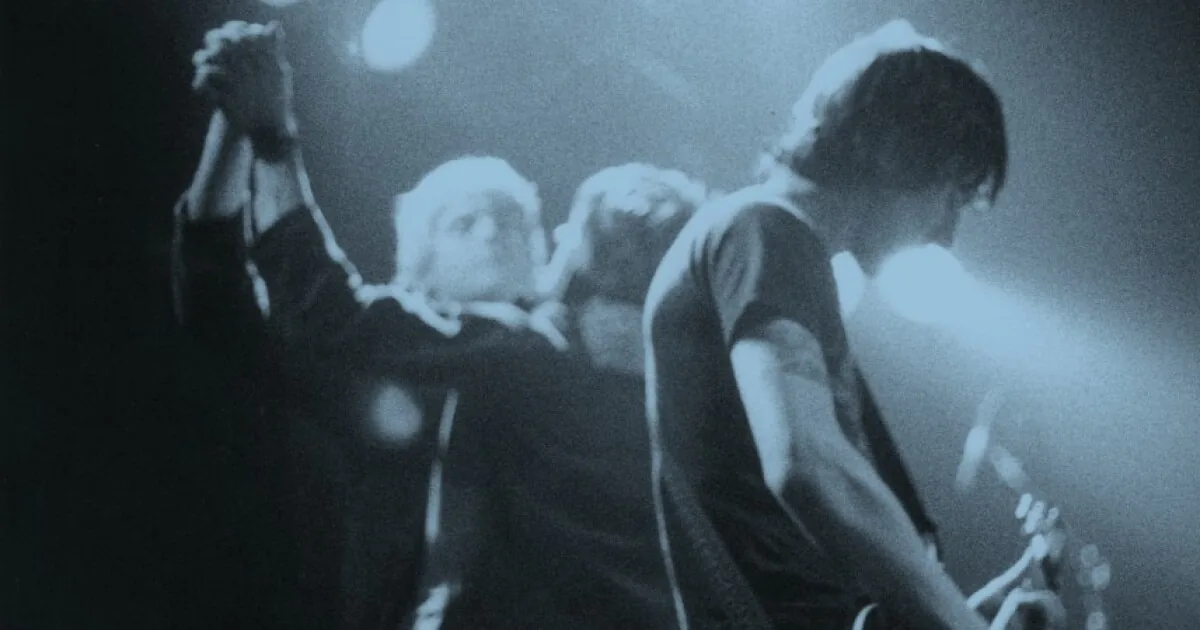
LOS ANGELES, CA — Elliott Smith’s time in Los Angeles left behind more than memories. More than 20 years after his death, the singer-songwriter’s life in the city still has physical touchstones that fans can visit, from a Los Feliz apartment complex to a Silver Lake mural that has become a kind of shrine.
Writer Jamie Fisher, who spoke with about 140 people for her new biography Nobody Broke Your Heart: An Intimate Biography of Elliott Smith, said Smith’s years in Los Angeles were marked by pain, creativity and a surprising amount of connection. He moved to the city in the summer of 1999 and died there about four years later, but Fisher said his influence remains easy to find if you know where to look.
Snow White Cottages still recall Smith’s Los Feliz years
One of the most personal places tied to Smith is the Snow White Cottages in Los Feliz, where he once lived. The fairytale-style buildings at 2906 Griffith Park Blvd. were reportedly run down by the time he moved in, giving the setting a rougher edge than its whimsical name might suggest.
Fisher said one account from that period described a raccoon throwing a roof shingle at Smith’s head. She also said the place functioned more like an apartment than a house, and that it was part of a small, tight-knit community at the time. For fans, the cottages stand as a reminder that Smith’s Los Angeles story was often rooted in ordinary, lived-in spaces rather than glamorous industry landmarks.
The Roost became a quiet nod inside Figure 8
Across Los Feliz Boulevard, just over the 5 Freeway, The Roost has its own place in Smith lore. The bar at 3100 Los Feliz Blvd. appears in a subtle way on Figure 8, where the track “In the Lost and Found (Honky Beach)/The Roost” fades out with a reference to the venue.
Fisher said Smith had a habit of folding the places and people he loved into his music, and The Roost was one of those spots. In the 1990s, she said, it was more of a working-class hangout and one of the overlooked bars he favored. She added that a bartender who loved Smith now owns the place, a detail that only deepens the sense that the bar is part of the city’s living memory of him.
Largo captured late-night sessions with Jon Brion
Largo at the Coronet, once at 366 N. La Cienega Blvd. in the Fairfax area, was another major part of Smith’s Los Angeles life. Fisher said the venue mattered a great deal to him beginning in the late 1990s, when he spent late nights there playing piano with fellow musician Jon Brion.
That connection helps explain why Largo remains an important stop for fans tracing Smith’s path through the city. It was not just a stage or a hangout. It was a place where Smith could be heard in a stripped-down, intimate setting, far from the scale of the albums and mythology that later surrounded him.
New Monkey showed Smith’s drive to build a studio for others
In Van Nuys, New Monkey Studio points to a different side of Smith: the builder, mentor and gear obsessive. Smith founded the studio in the final years of his life, when addiction made it difficult for him to write music, according to Fisher.
She said he poured energy into buying broken equipment, repairing it and assembling the studio himself. The space was meant to give musicians affordable access to high-quality recording gear, and it still houses equipment used on his final album, From a Basement on the Hill. Fisher said the project became a rare source of focus for Smith at a time when he was dealing with serious personal struggles.
Fisher says Smith’s generosity shaped younger musicians too
Smith’s Los Angeles years were not defined only by his own work. Fisher said he was also mentoring younger musicians and making a lasting impression on artists including Jim Fairchild of Modest Mouse and Grandaddy and Aaron Espinoza of Earlimart.
She described Smith as unusually generous with his time, saying he would show up to Earlimart shows and stand in the front row, enough to make the band nervous. Fisher also said she was struck, while writing the final chapters of the biography, by how many “moments of light” she found in his L.A. life, including his love of cooking and the care he put into helping other artists.
The Figure 8 wall remains the city’s most visible memorial
The most recognizable fan landmark linked to Smith is the Figure 8 wall at 4334 W. Sunset Blvd. in Silver Lake. The mural’s bending red and black lines became the cover art for Figure 8, and it remains one of the city’s easiest places for admirers to pause and remember him.
More than two decades after his death in 2003 from two stab wounds to the chest, the wall still attracts new notes and messages. Fisher said people continue to leave comments about how Smith helped them, favorite lyrics and wishes that he were still alive, underscoring how his Los Angeles legacy has never really left the city.
Chicago's music scene, one story at a time — Chicago Music Guide.