Cameron Winter’s Carnegie Hall Concert Film, Shot by Paul Thomas Anderson on 35mm, Turns the Geese Singer’s Breakout Solo Set Into an Intimate New York Film Festival Centerpiece
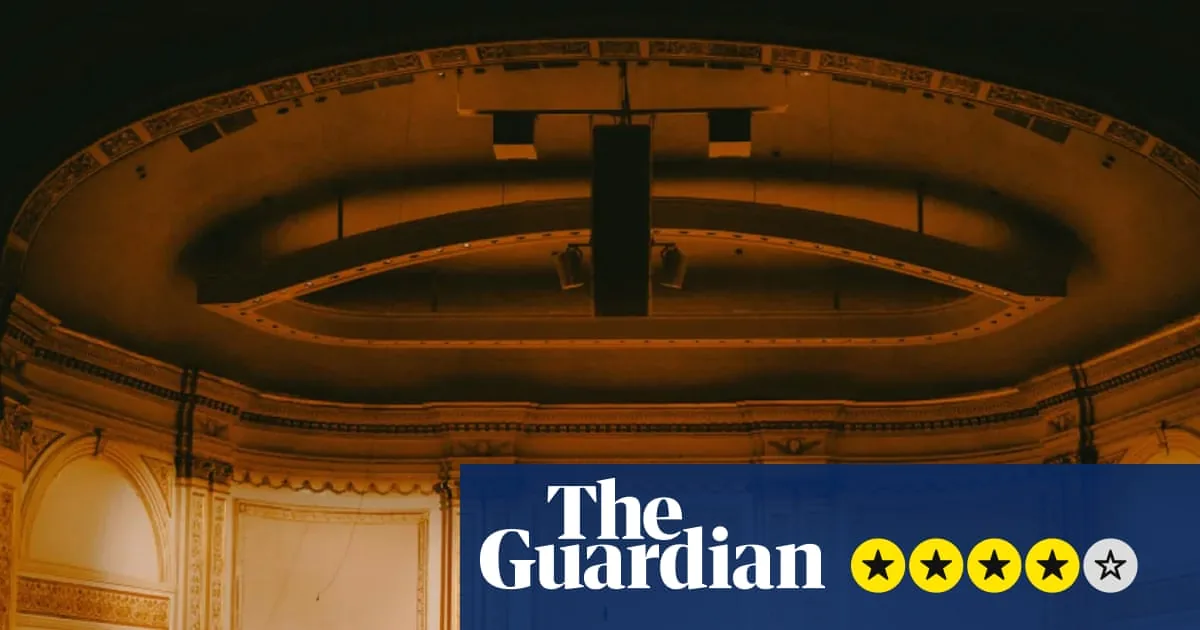
NEW YORK, NY — Cameron Winter’s Carnegie Hall performance has been turned into a 75-minute concert film that premiered at the New York Film Festival this week. The project, Cameron Winter at Carnegie Hall, is an unusually stripped-down portrait of the Geese frontman’s solo set, captured on 35mm and shaped with the kind of lush color that makes even the venue’s exterior scaffolding look elegant.
The film is framed as a document of a breakout moment for the 23-year-old singer, whose solo acoustic shows drew an intensely devoted crowd after the release of his debut album, Heavy Metal. Rather than expanding the performance with backstage scenes or interviews, the film keeps its focus on the concert itself and the severe, magnetic voice that made the evening feel larger than a normal show.
Paul Thomas Anderson and Benny Safdie were among the camera operators
One of the film’s most striking details is that Paul Thomas Anderson was not just attached in name. He was one of five camera operators capturing Winter’s Carnegie Hall show, alongside Benny Safdie and others, helping preserve the performance from multiple angles.
Anderson’s presence gives the project a film-school level of polish without pushing the concert into something overproduced. The cameras mostly stay out of the way, moving through the hall as if they were additional shadows in the room rather than attention-seeking machinery. That restraint matters, because Winter’s appeal depends heavily on stillness, and the film seems built to honor that.
The result is less a flashy music documentary than a careful record of an artist at a very specific peak. For fans who were already drawn to Winter’s stark stage presence, the collaboration adds another layer of fascination to an already unusual concert film.
Winter’s voice and lyrics drive the film more than any backstage narrative
The concert film preserves much of what made the live show feel so affecting: Winter’s baritone vibrato, his contrast between spare accompaniment and emotional intensity, and his ability to hold an audience’s attention without relying on crowd banter. His only real on-stage aside, according to the performance, was a brief post-encore thank you to the audience.
That minimalism is a feature, not a flaw. Anderson avoids adding interviews, testimony, voiceover or other explanatory devices, leaving the songs to carry the experience. For viewers already open to Winter’s sound, the film offers a direct line into the performance rather than a mediated or polished pop-package version of it.
The songs themselves are part of what makes the film memorable. Winter’s lyrics veer into surreal imagery, from “the beach ball cathedral dimpled like a sea fly swarming” to “until the conga line behind me is a thousand chickens long,” alongside the blunt declaration “god is real.”
The Carnegie Hall staging keeps the focus on light, shadow and silence
Much of the movie’s impact comes from how little it does. Aside from brief exterior shots, ticket scans and a few transitions, the film stays inside the concert and lets the room breathe. That approach makes the audience’s concentration part of the story, especially in a moment when phones so often compete with live music for attention.
The cinematography shifts Winter’s age and presence through light and framing, making him seem at times almost boyish and at others older and stranger. Those changes reinforce the music’s tension between austerity and grandeur. Even when the performance is quiet, the film treats that quiet as something seismic rather than empty.
One of the show’s most ecstatic touches reportedly came when the lights rose during “god is real, I’m not kidding this time!” so the audience could see one another smiling. That moment works better in person than on screen, but the film still captures the communal charge that made the concert feel like more than a recital.
Ariel Rechtshaid shaped the sound and a live album is coming
The film’s music production was handled by Ariel Rechtshaid, who won a Grammy for work on albums by Vampire Weekend and Adele. His involvement signals that the recording was meant to stand on its own as a listening experience, not just as a visual souvenir of one night at Carnegie Hall.
A live album based on the performance is also set to arrive soon, giving Winter’s fans another way to revisit the set. That rollout turns the concert into a broader release strategy, with the film serving as the most immediate and immersive version of the show.
For a performer who already built momentum with a debut solo album and a string of well-received acoustic dates, the move suggests a career moment that is still accelerating. The Carnegie Hall recording now sits at the center of that momentum, fixed in 35mm and presented as something meant to last.
Why the film matters to fans of Winter’s fast-rising solo career
Cameron Winter at Carnegie Hall is not trying to convert skeptics. It offers no explanatory framing, no interviews and no crowd-pleasing detours for viewers who do not already connect with Winter’s singular voice. Instead, it is designed for listeners who already understand why his music can feel destabilizing, intimate and strangely timeless.
That choice makes the project feel unusually confident. Rather than widening the doorway, it narrows the lens, trusting that the performance itself is enough. In that sense, the film becomes a statement of artistic identity as much as a concert document.
With the New York Film Festival premiere now behind it, the film is scheduled for a U.S. release on November 20. Releases in the UK and Australia are expected to follow in 2027, extending the reach of a performance that already seemed, in the room, like a career-defining event.
Chicago's music scene, one story at a time — Chicago Music Guide.