Chicago’s Red-Light Cameras Brought in $47.1 Million in 2025, With Late Fees Making up Nearly Half the Total and Doubling Drivers’ Ticket Costs
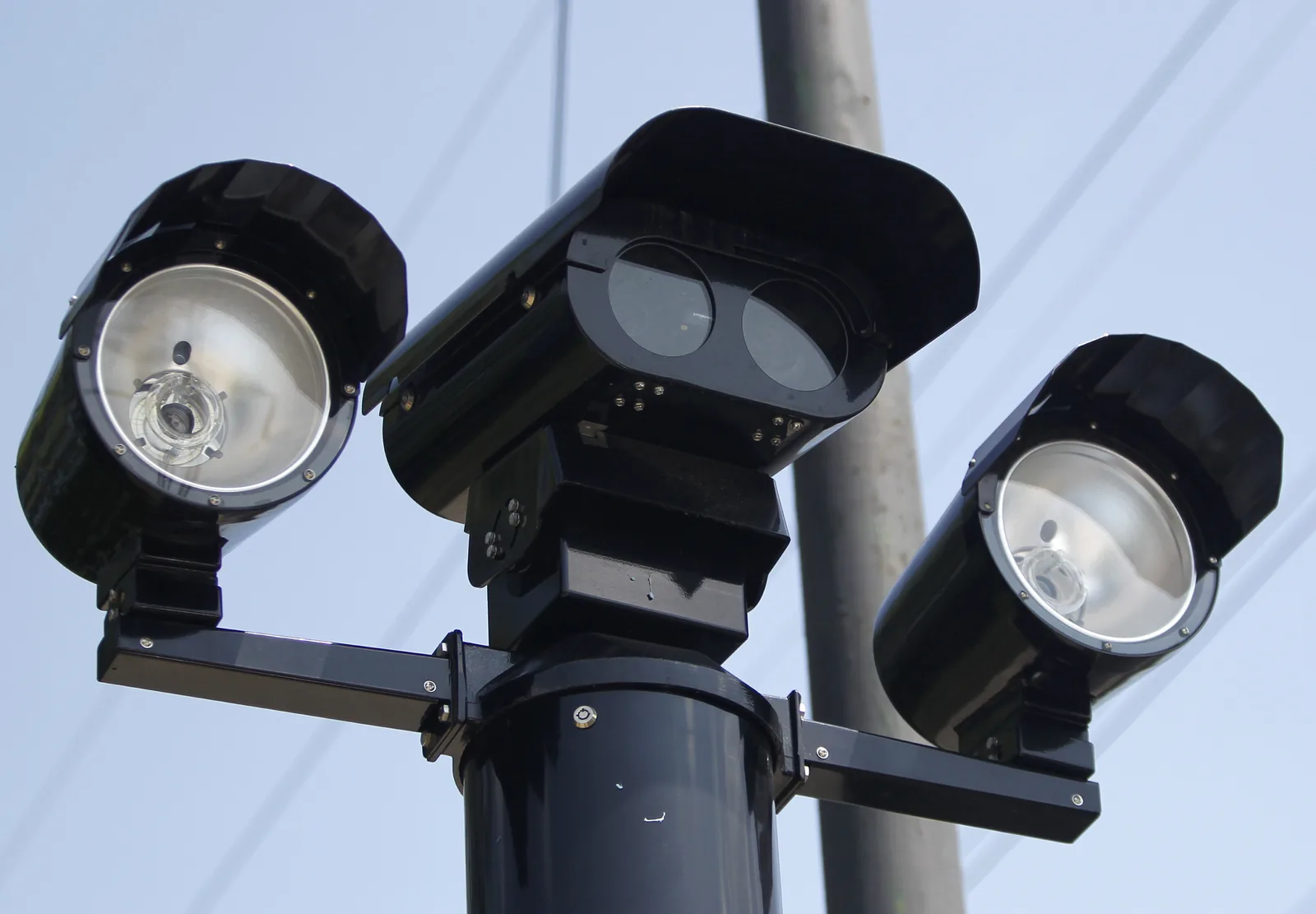
CHICAGO, IL — Chicago collected $47.1 million from red-light camera violations in 2025, and nearly half of that money came from late penalties tied to unpaid tickets. The figures show how much the city’s camera program depends not only on the original citations, but also on drivers who miss the payment deadline.
Late fees accounted for $22.3 million of the total. In practical terms, that means a large share of the revenue did not come from the first ticket itself, but from the added cost drivers face when they do not pay on time.
Late penalties added $22.3 million to the city’s camera haul
The breakdown highlights a simple but costly structure. The initial red-light camera ticket is $100, and if it is not paid within 21 days, another $100 is added. That late charge effectively doubles the original fine for anyone who falls behind.
With late fees contributing $22.3 million, the city’s camera revenue was heavily shaped by missed deadlines. The numbers suggest that a substantial number of drivers either overlooked the tickets, delayed payment, or could not pay quickly enough to avoid the extra charge.
Because the late penalty is the same amount as the initial citation, a $100 violation can quickly become a $200 obligation. For many drivers, that difference may be the most significant part of the red-light camera system’s financial impact.
What the revenue figures say about Chicago’s camera program
The revenue total offers a snapshot of how much money the city is pulling in from automated traffic enforcement. Red-light cameras are designed to catch drivers who run signals, but the 2025 figures show that the city also earns a major share of its money after the ticket has already been issued.
That split matters because it separates the original enforcement action from the consequences of late payment. In Chicago, the camera program is not just generating revenue from citations; it is also generating a sizable amount from the fees attached when those citations remain unpaid.
The result is a system in which timing matters almost as much as the violation itself. Paying quickly keeps the cost at the original $100, while waiting past the deadline creates a much larger bill and adds to the city’s income.
The 21 day window is where costs can climb fast
The city’s payment rule leaves drivers a fairly short window to settle the ticket before the extra charge kicks in. Once those 21 days pass, the balance rises by another $100, making the penalty more expensive very quickly.
That structure helps explain why late fees became such a large piece of the revenue total in 2025. Even if the initial citation is modest by traffic-ticket standards, the added charge creates a sharp jump for anyone who misses the deadline.
For drivers, that means the red-light camera ticket is not only a matter of the violation itself, but also of how fast they respond afterward. The city’s revenue data shows that delay carries a real financial price.
Why the numbers matter to Chicago drivers
The figures are important because they show the difference between the face value of a ticket and the amount drivers may actually end up paying. A $100 citation sounds fixed, but the city’s late-fee structure can make it twice as expensive.
That can matter for people who receive a ticket unexpectedly or who do not notice it right away. Once the clock runs out, the fine no longer stops at the original amount, and the added penalty becomes part of the final cost.
Chicago’s 2025 revenue total makes that reality hard to ignore. With almost half of the money coming from late charges, the city’s camera system is producing a large share of its income from overdue payments rather than the initial violations alone.
A closer look at how the $47.1 million total breaks down
Of the $47.1 million collected from red-light cameras last year, $22.3 million came from late fees. That means the late penalties alone were a major revenue stream, not just a small add-on to the program.
The remaining portion came from the original camera violations themselves. Even so, the late-fee share was large enough to show that payment timing played a central role in the city’s overall take from the system.
When the late fees are nearly half of the total, the numbers tell a clear story about how Chicago’s red-light cameras function financially. The city benefits not only from catching violations, but also from the substantial number of tickets that are paid after the deadline.
How a single missed deadline can turn a $100 ticket into $200
The red-light camera system’s structure is straightforward, but the financial jump is steep. A driver starts with a $100 ticket, and if payment is not made within 21 days, the amount rises by another $100.
That means one missed deadline can double the cost. For city officials, the late-fee revenue shows how often that happens at scale. For drivers, it is a reminder that the deadline matters just as much as the ticket amount.
The 2025 figures make the consequence visible in dollars. Chicago’s cameras produced $47.1 million overall, and the late-fee portion alone reached $22.3 million, underscoring how expensive inattention to the notice can become.
Chicago's music scene, one story at a time — Chicago Music Guide.