
Colorado Wind Storm Causes Massive Flight Delays at Denver International Airport as Gusts Exceed 100 mph
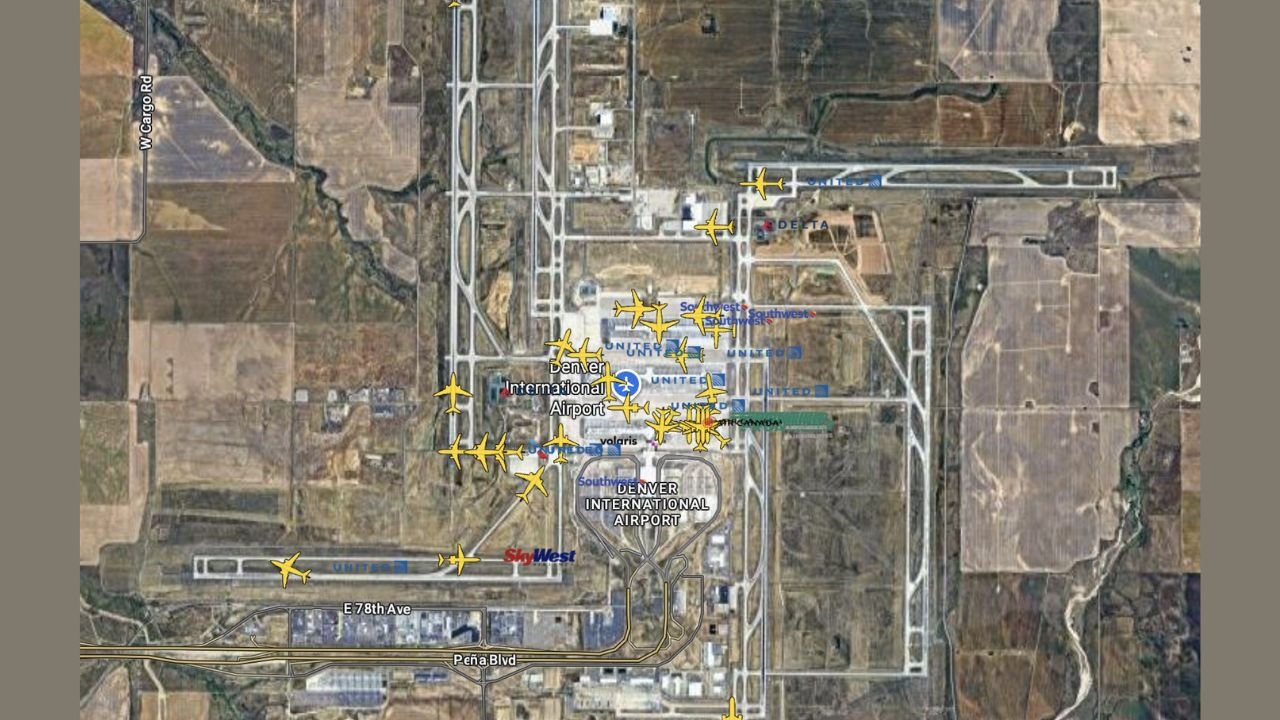
DENVER, COLORADO — Denver International Airport faced widespread operational disruption as extreme winds and dangerous wind shear swept across northeastern Colorado, making it the most delay-affected airport globally during the peak of the event. Aviation officials and pilots cited severe turbulence and rapidly shifting winds as the primary hazards impacting flight safety.
More than 730 flights were delayed, with additional cancellations expected as conditions fluctuated throughout the day.
Extreme Winds Trigger Major Delays at Denver International Airport
Airport authorities confirmed that powerful crosswinds and wind shear forced air traffic controllers to slow arrivals and departures, creating cascading delays across multiple airlines.
Pilots operating in and out of Denver reported “severe turbulence on approach and departure”, prompting extra spacing between aircraft and temporary ground holds.
“These wind conditions significantly reduce runway efficiency and increase safety risks during takeoff and landing,” aviation officials noted.
Mountain Wave Event Drives Gusts Over 100 mph in Colorado Foothills
Meteorologists identified the event as a classic mountain wave wind storm, a phenomenon common along Colorado’s Front Range but rarely this intense.
Just west of the Denver metro area, wind sensors in the Boulder foothills recorded gusts up to 105 mph, levels capable of causing structural damage and life-threatening travel conditions.
“This is not a typical wind setup — it’s a pure mountain wave event,” forecasters explained.
“Winds aloft are being forced down the eastern slopes of the Rockies with little resistance.”
Why the Wind Threat Was So Dangerous
Strong upper-level winds combined with stable lower-atmosphere conditions allowed momentum to transfer efficiently to the surface. Forecast models showed narrow corridors of extreme wind gusts, creating sudden and unpredictable impacts.
Even outside the strongest zones, much of the Denver metro area experienced sustained winds of 40–60 mph, enough to disrupt ground operations, damage infrastructure, and ground aircraft.
“Wind shear is the biggest concern for aviation in setups like this,” meteorologists warned.
Travel Disruptions Extend Beyond the Airport
The wind storm affected more than air travel. High-profile vehicle restrictions were issued on exposed highways, while loose debris created hazards across open areas of northeastern Colorado.
Passengers were urged to check flight status frequently and allow extra travel time, as delays continued well into the evening.
What Happens Next for Colorado Weather
Forecasters expect winds to gradually ease overnight, but warned that additional high-wind events remain possible along the Front Range under similar atmospheric patterns later this week.
Dry conditions combined with strong winds have also raised fire weather concerns, especially in foothill and grassland areas.
“This pattern demands vigilance,” officials said. “Strong winds, fire danger, and travel disruptions can return quickly.”
Stay with ChicagoMusicGuide.com for continued coverage of major weather events affecting travel, public safety, and regional impacts across the United States.