
Minneapolis–St. Paul International Airport Hits 77°F, Shattering 1938 Record as Rare March Warmth Sweeps Minnesota
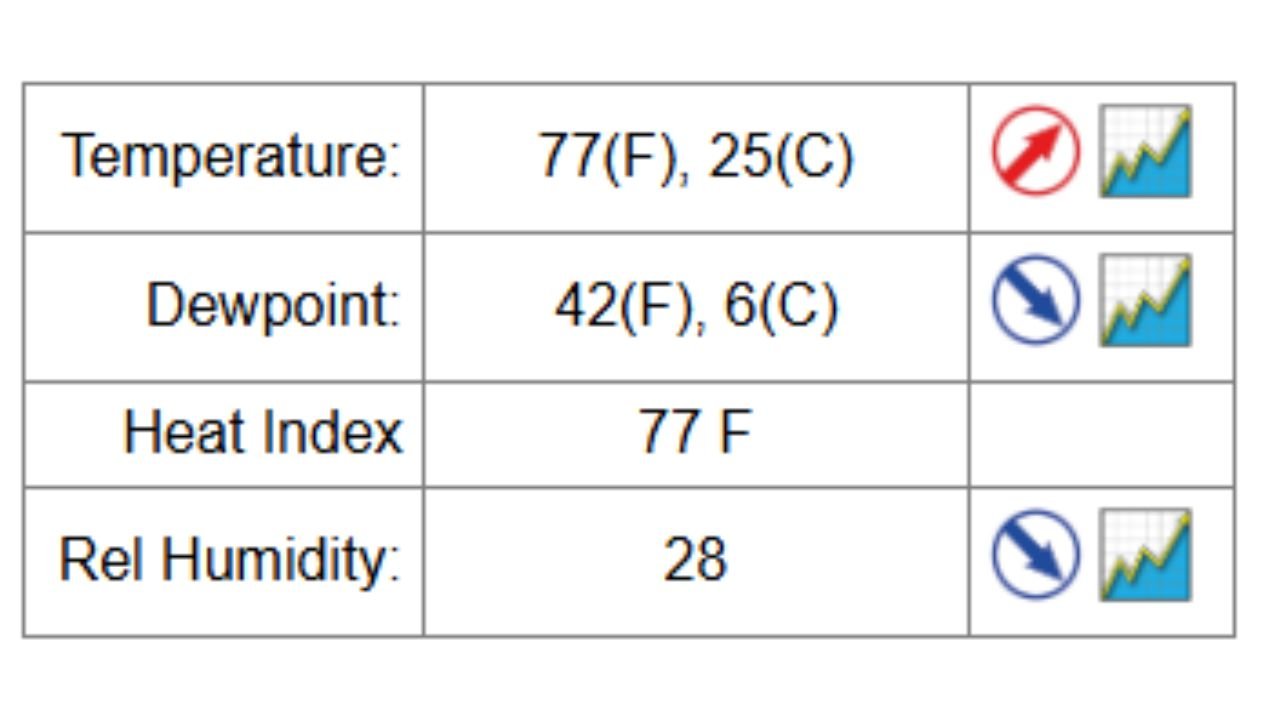
MINNEAPOLIS, MINNESOTA — A piece of weather history fell at Minneapolis–St. Paul International Airport (MSP) as the temperature climbed to 77°F, breaking the longstanding daily record of 76°F set in 1938.
The new high officially surpasses a mark that stood for nearly nine decades, underscoring the unusual warmth gripping parts of Minnesota.
A Record Nearly 90 Years in the Making
The previous record of 76°F, set in 1938, had remained untouched for generations. Reaching 77°F at MSP not only ties history to the present — it rewrites it.
For late March in Minnesota, mid to upper 70s temperatures are exceptionally rare. Average highs this time of year typically sit far cooler, making the record-breaking warmth stand out even more dramatically.
Dry Air Accompanies the Warmth
At the time the record was set, conditions at MSP included:
- Temperature: 77°F (25°C)
- Dewpoint: 42°F (6°C)
- Heat Index: 77°F
- Relative Humidity: 28%
The relatively low humidity helped prevent the heat from feeling oppressive, but the dryness also reflects a warm, well-mixed air mass more common in late spring.
With dewpoints in the low 40s and relative humidity under 30 percent, the warmth developed efficiently under strong daytime heating.
A Spring Preview — or Early Summer?
Temperatures pushing the upper 70s in Minnesota during March can feel more like late May. The warmth likely accelerated snowmelt in areas still holding onto winter’s leftovers and offered a preview of the season ahead.
For many residents across the Twin Cities, the day may have felt like a welcome break from winter — but from a climatological perspective, it is notable for its rarity.
Historic Warmth at MSP
Breaking a record that dates back to 1938 places this event firmly in the record books. Records that stand for decades often do so because they represent outlier events — and surpassing them signals just how anomalous conditions were.
Minneapolis–St. Paul International Airport serves as the region’s primary climate observation site, making its records especially significant for long-term comparisons.
As March continues, meteorologists will monitor whether additional daily records fall across Minnesota or if cooler air returns to reassert more typical early-spring conditions.
For continued coverage of record-breaking temperatures and significant weather events across the United States, stay with ChicagoMusicGuide.com.