California Braces for Repeated Heavy Rainfall and Thunderstorms as Pacific Moisture Triggers Flood Concerns

CALIFORNIA — A deep upper-level trough over the eastern Pacific is continuing to funnel moisture-rich air into California, setting the stage for multiple rounds of rain and thunderstorms through the short-term forecast period. Meteorological guidance shows the most intense impacts focused along coastal California and the Sierra Nevada, where rainfall totals could quickly accumulate and raise flash flooding concerns.
Forecast data indicates that this system is not a single, fast-moving storm. Instead, repeating waves of precipitation are expected as Pacific moisture remains locked into the region, increasing the risk of runoff issues, urban flooding, and rapid rises in creeks and streams.
Heaviest Rainfall Focused on Coastal California and the Sierra Nevada
According to precipitation outlook maps, coastal ranges and complex terrain across California are likely to receive 3 to 6 inches of rainfall over a relatively short time frame. The highest totals are concentrated where onshore flow interacts with mountainous terrain, enhancing rainfall rates.
In the Sierra Nevada, colder air aloft means that higher elevations above roughly 5,000 feet could see multiple feet of snow, while lower elevations experience persistent rain. This elevation contrast raises additional concerns for snowmelt-enhanced runoff once temperatures fluctuate.
Thunderstorm Activity Increases Flood Risk
Embedded thunderstorms within the broader rain shield are a key concern with this setup. Thunderstorms can produce brief but intense rainfall rates, overwhelming drainage systems even in areas that do not typically flood.
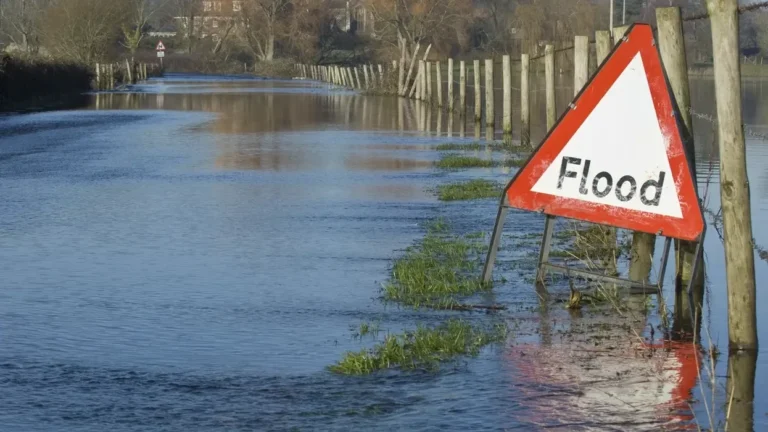
Forecast guidance specifically highlights that repeating rounds of thunderstorms and heavy rain may occur over the same locations, a pattern known to increase the likelihood of localized flash flooding, debris flows, and mudslides — especially in burn scar areas.
Why This Pattern Is Concerning
The driving feature behind this event is a persistent upper-level trough, which prevents the storm system from clearing the region quickly. As long as this trough remains in place, Pacific moisture continues to stream inland, allowing precipitation to regenerate repeatedly.
This pattern contrasts with a quick frontal passage and instead supports multi-day impacts, increasing cumulative rainfall totals and stress on already saturated ground.
Impacts Extend Beyond California but Remain Most Severe There
While precipitation is also forecast across parts of the western United States and into other regions of the country, California clearly stands out as the primary impact zone during this forecast window. The intensity, duration, and terrain interaction make the state uniquely vulnerable to flooding impacts compared to surrounding areas.
What Residents Should Monitor
Residents across California — particularly in coastal regions, foothills, and mountainous terrain — should closely monitor updated forecasts and be alert for:
- Rapid water accumulation in low-lying areas
- Mudslides or debris flows near hillsides
- Flooding in urban areas with poor drainage
- Hazardous travel conditions during heavier rain bands
Conditions may change quickly as individual storm waves move through the region.
Stay alert, monitor local forecasts, and be prepared for changing conditions as this Pacific-driven storm pattern continues to evolve.