Rochester, New York Endures Coldest Late-January Stretch on Record as Temperatures Shatter 1935 Benchmark
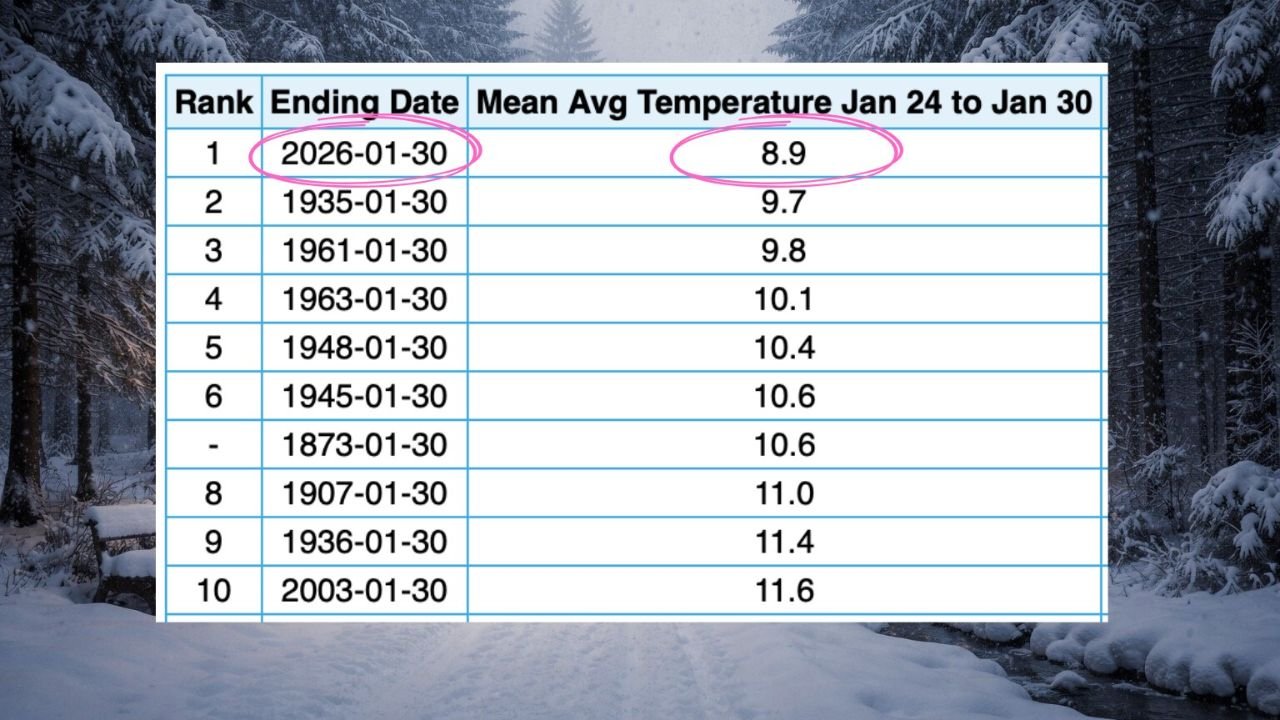
ROCHESTER, NEW YORK — Rochester, New York experienced a historically severe cold spell at the end of January, with newly analyzed temperature data confirming that the January 24–30 period in 2026 was the coldest such stretch ever recorded in the city. The seven-day window delivered a mean average temperature of just 8.9 degrees, officially breaking a long-standing record that had remained untouched since 1935.
Meteorologists reviewing the data say the milestone is significant not just for how cold it was, but for what it represents — a level of sustained Arctic cold that most living residents have never experienced before.
Historic Data Confirms Coldest January 24–30 Period Ever Recorded
According to the compiled rankings shown in the data, the January 24–30, 2026 period now ranks first overall for coldest mean temperatures during that late-January window. The previous record-holder was January 24–30, 1935, which recorded a mean average temperature of 9.7 degrees.
That means this year’s cold spell beat the previous benchmark by nearly one full degree, a notable margin in climatological terms. Other historically cold years — including 1961, 1963, and 1948 — all ranked behind 2026, with mean averages ranging from 9.8 to 10.4 degrees.
Weather experts note that breaking a record that has stood for more than 90 years underscores just how exceptional this event was.
Why This Cold Spell Stands Out From Past Winters
What makes this stretch particularly remarkable is the consistency of extreme cold over multiple days, rather than a single overnight low. Sustained Arctic air locked in across the region, preventing daytime temperatures from offering any meaningful recovery.
The data confirms that this was not an isolated dip, but a prolonged period of deep freeze — strong enough to surpass cold spells from eras often remembered for brutal winters. In practical terms, this means residents endured nearly a full week where temperatures rarely climbed out of the single digits.
Meteorologists also emphasize that this event now qualifies as the coldest late-January stretch of the modern era, making it a once-in-a-lifetime benchmark for many in the Rochester area.
What This Means as Winter Moves Into February
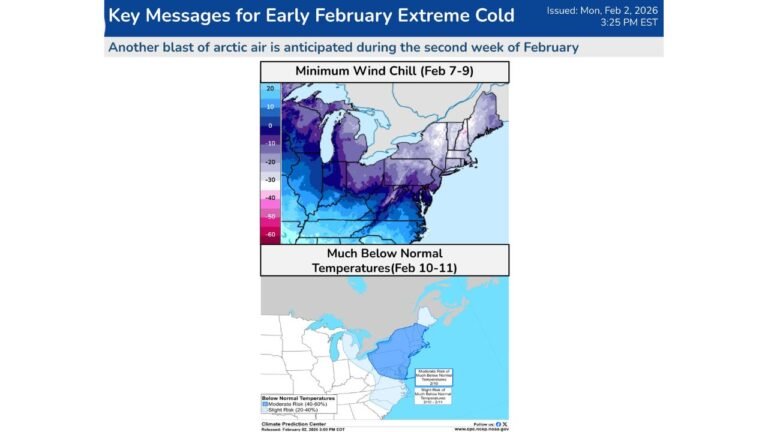
As the calendar turns toward February, forecasters say this historic cold snap will likely be remembered as one of the defining moments of the 2025–26 winter season. While temperatures may moderate at times, the data confirms that winter has already delivered a record-breaking punch.
Residents are urged to remain cautious during ongoing cold periods, as prolonged exposure to extreme temperatures increases risks related to frozen pipes, vehicle failures, and dangerous wind chills. Even as conditions improve, the impacts of such deep cold can linger for days.
Climatologists will continue analyzing how this event fits into broader winter patterns across the Northeast and Great Lakes region.
If you lived through this historic cold stretch, how did it affect your daily routine, travel, or home? Share your experience and stay with ChicagoMusicGuide.com for continued winter weather coverage, climate milestones, and regional cold-weather updates as February unfolds.