Illinois, Indiana, Michigan, Ohio Face Expanding April Severe Weather Threat as Chicago Region Enters Multi-Day Storm Pattern
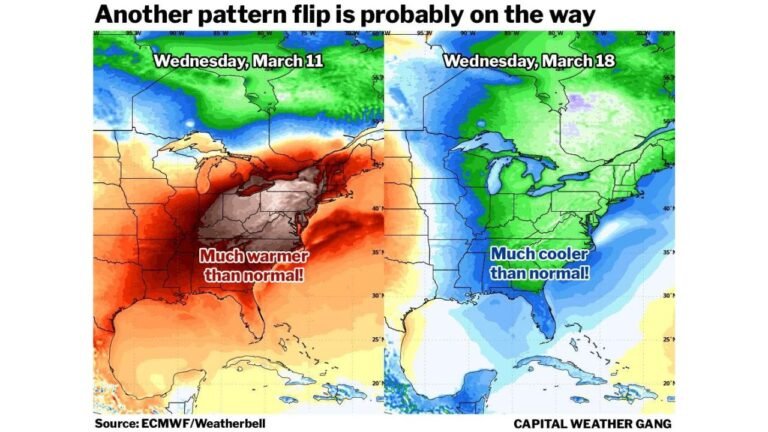
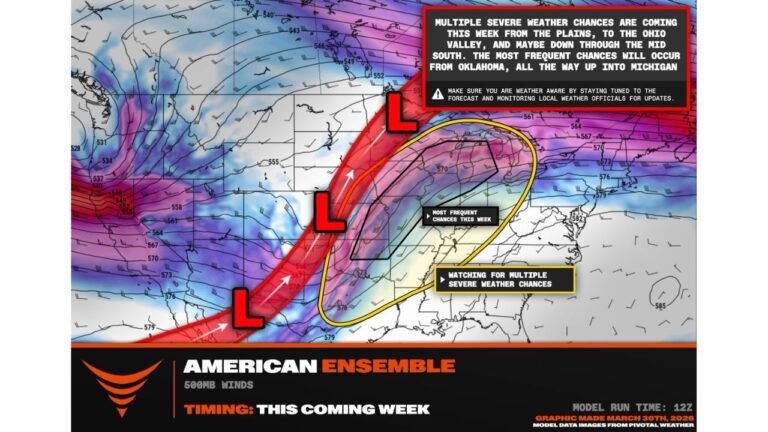
UNITED STATES — A developing upper-level weather pattern shift is setting the stage for a prolonged period of severe weather potential as the country transitions into April, with Illinois, Indiana, Michigan, and Ohio positioned in a favorable zone for repeated storm activity. The Chicago, Illinois region sits directly within this corridor, where multiple systems could bring rounds of thunderstorms and severe weather.
The first notable system is expected to emerge around March 31 into April 1, marking the beginning of what could become a multi-day severe weather pattern across the Midwest and eastern United States.
Upper-Level Pattern Shift Drives Storm Development
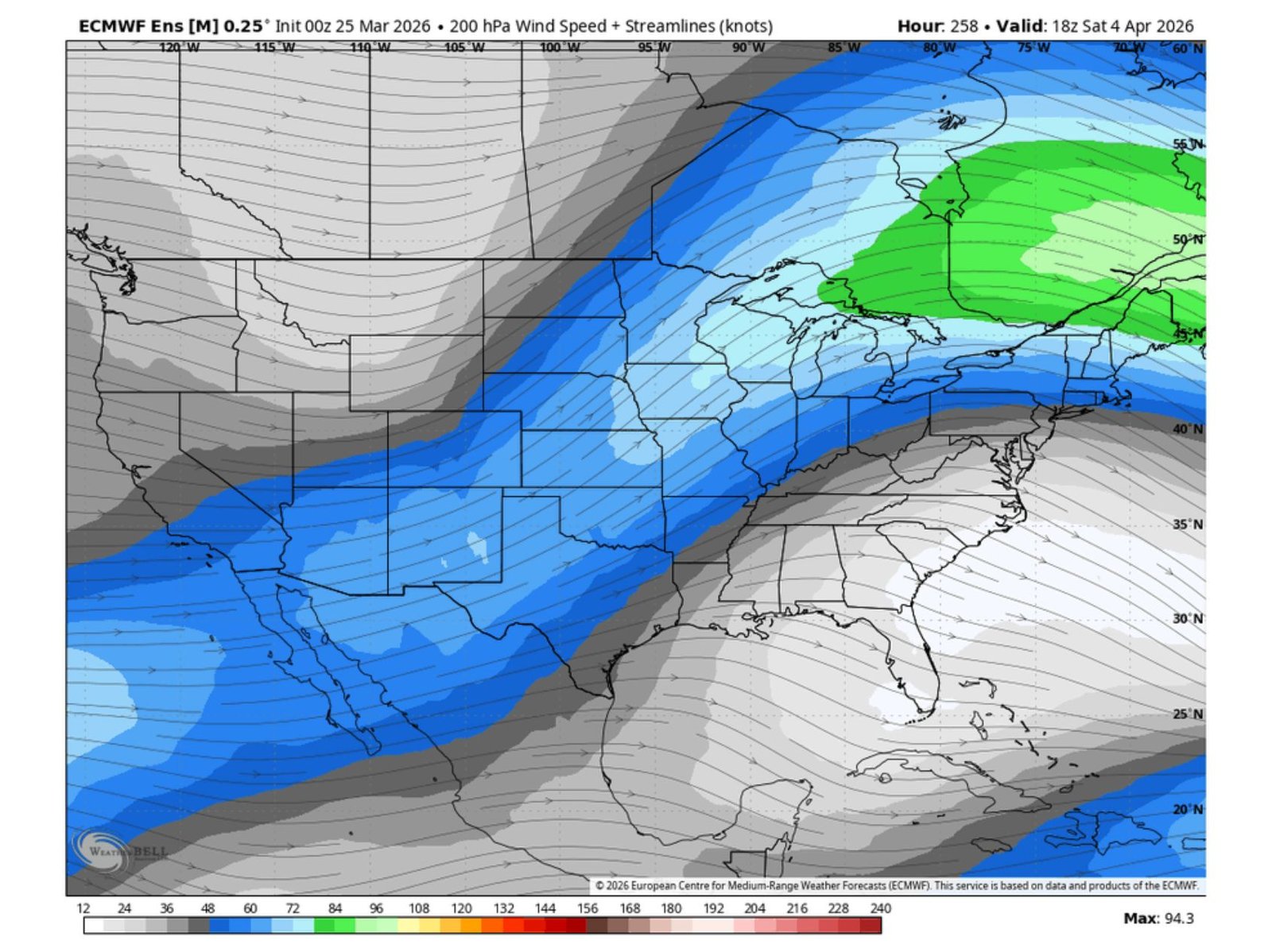
The key driver behind this setup is a trough developing across the western United States, which will help direct strong upper-level winds from southwest to northeast across the country. This type of flow pattern is widely recognized as a classic severe weather setup, as it allows storm systems to track into areas rich with moisture and instability.
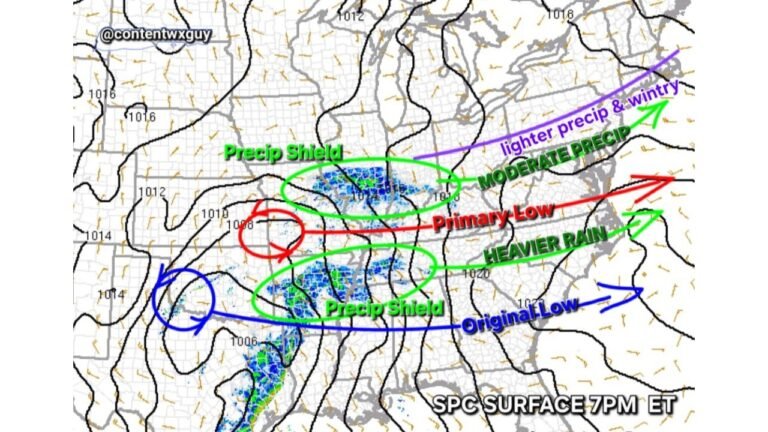
As energy ejects from the western trough, it will spread across the Great Plains into Illinois, Indiana, Michigan, and Ohio, enhancing the potential for organized storm systems. The alignment of these atmospheric ingredients increases the likelihood of multiple storm rounds rather than isolated events.
This pattern is particularly important because it supports storm regeneration, meaning areas in the Midwest could see repeated impacts over several days, rather than a single storm event.
Moisture Surge and Instability Expand Across the Midwest
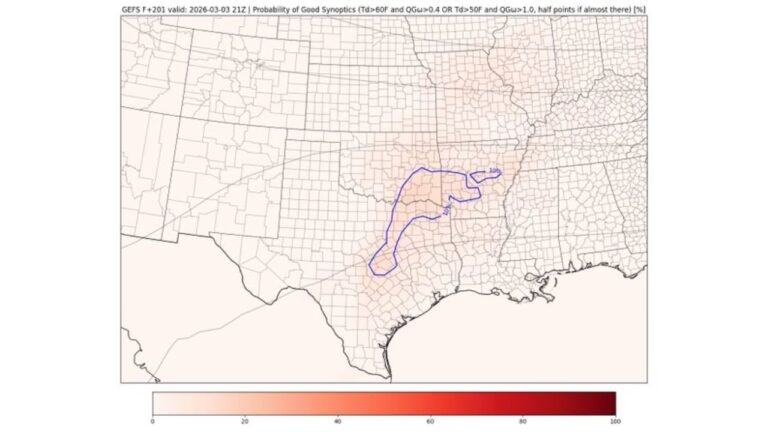
At the same time, a surge of moist air from the Gulf of Mexico is expected to push northward into the Mississippi Valley and Midwest, including Illinois, Indiana, Michigan, and Ohio. Forecast data shows increasing dew point levels, signaling a growing environment supportive of thunderstorm development.
This moisture will overlap with favorable upper-level wind patterns, creating conditions where storms can become stronger and more organized. The combination of warm temperatures, humidity, and wind shear is a well-known setup for severe weather, including damaging winds, large hail, and potential tornado activity.
This expanding moisture field will also allow storms to remain active during both daytime and nighttime hours, increasing the duration of possible impacts.
Chicago, Illinois and Midwest Cities in Storm Corridor
The Chicago, Illinois region appears to sit directly within the corridor where these overlapping ingredients align most effectively. As storm systems move northeast from the Great Plains into Illinois and Indiana, they may intensify as they approach the Midwest urban corridor.
Cities such as Chicago, Indianapolis, Detroit, and Columbus are all positioned within this active storm track, raising concerns about multiple rounds of storms affecting similar areas. This repeated activity can increase the risk of severe weather impacts over time, especially if systems follow similar paths.
In addition to severe storms, this setup also supports increased rainfall potential, particularly across parts of the Ohio Valley and eastern Midwest, where precipitation could build over several days.
Early April System Signals Start of Extended Threat Window
The system expected between March 31 and April 1 will serve as the first major test of this evolving pattern. If atmospheric conditions align as expected, it could produce widespread thunderstorms, followed by additional storm systems in the days ahead.
The broader concern is the potential for a long-duration severe weather window, rather than a single isolated outbreak. This means residents across Illinois, Indiana, Michigan, and Ohio should remain alert for changing forecasts and multiple storm chances as April begins.
For the Chicago region, this pattern signals the arrival of a more active spring weather phase, where rapid changes and repeated storm systems become more common.
As the Midwest enters this developing severe weather pattern, staying informed will be essential for communities across Illinois, Indiana, Michigan, and Ohio. For continued updates on Chicago weather, Midwest storm risks, and April severe weather trends, visit ChicagoMusicGuide.com.