Music Influencers Are Quietly Paid to Push Songs Online, and Fans Are Starting to Question What Feels Organic
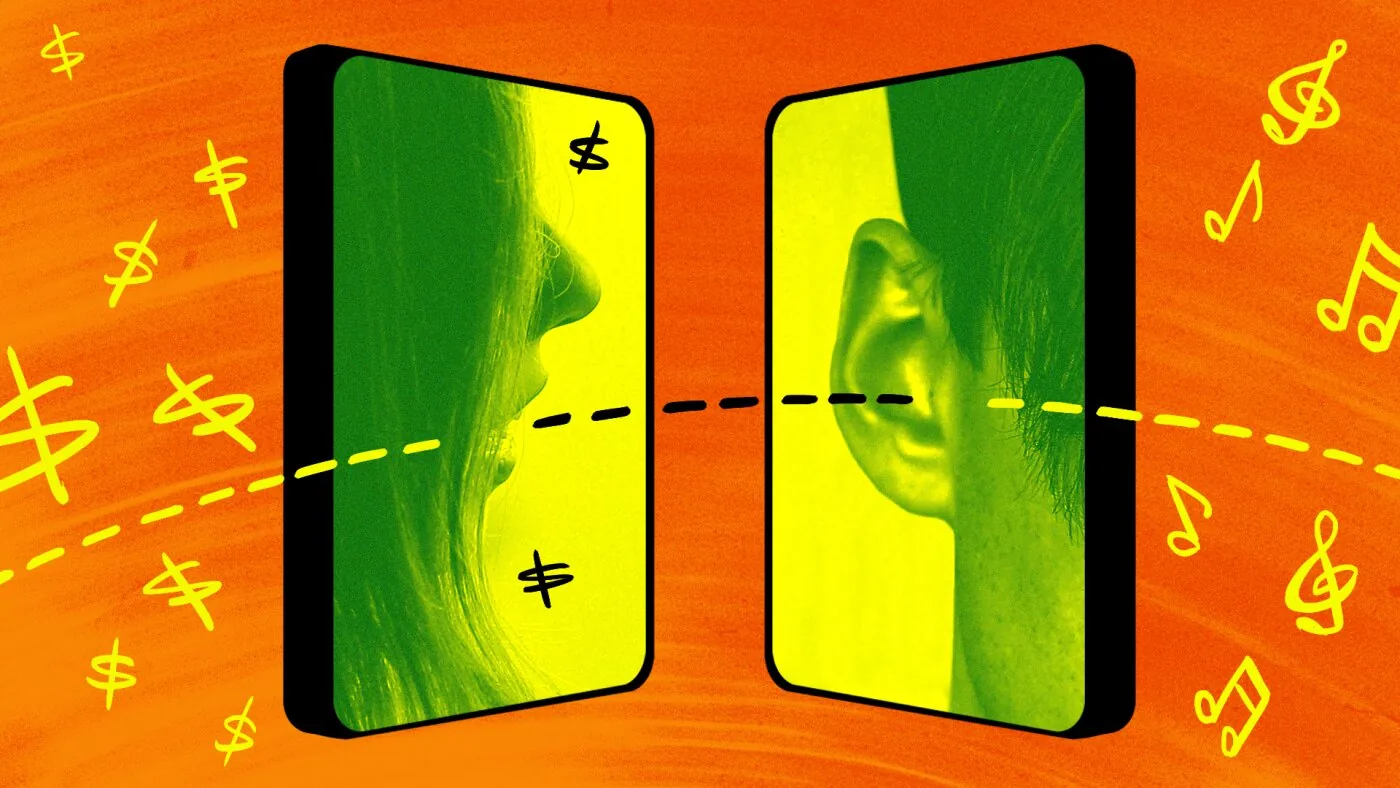
NEW YORK, NY — Music discovery now lives on TikTok and Instagram as much as on radio or reviews, and that shift has created a new kind of power broker: the music influencer. NPR spoke with several creators who said labels and agencies pay them to post about songs and artists, sometimes without telling audiences those posts are sponsored.
For fans, the videos can look like ordinary enthusiasm. Behind the scenes, though, creators say the system often resembles hidden advertising, with rates, approvals and campaign goals shaping what appears to be a casual recommendation.
How creators say the pay-for-post system works
Carly Bogie, who posts as @hahakcoolgtgbye to more than 80,000 TikTok followers, said she began with playlist-style videos and later started getting offers to feature specific tracks. She said she now earns different amounts depending on the assignment, with undisclosed song promos and explicitly sponsored ads handled separately.
Another TikTok creator in California, who has 1.1 million followers and asked not to be named, said labels and agencies commonly request rate cards, draft approval and sometimes even burner accounts used to seed clips and keep artists visible online. He said song promo fees can range from about $300 to $600 per video, while smaller indie campaigns may be priced more flexibly.
Why disclosure is becoming a flashpoint for music fans
The pushback is growing because so much music content is meant to feel personal. Listeners trust creators to share what they genuinely like, but labels and marketers increasingly want those same voices to move streams and shape online conversation. That has fueled accusations of fake virality, industry plants and engineered fandom when songs appear to break overnight.
Some artists and commentators have also complained that the entire online ecosystem is being manipulated for attention and profit. NPR said the major labels it contacted did not respond to questions about whether they use influencer campaigns or tell creators to disclose paid partnerships.
FTC rules exist, but the music space still feels murky
The Federal Trade Commission says creators must clearly disclose financial relationships when they endorse a brand, including in captions and on-screen or spoken disclosures when possible. But the creators NPR interviewed said the rules can feel fuzzy when the product is a song rather than a consumer good, especially when the track itself is free to hear.
Critics such as Anthony Fantano and Derrick Gee argue that the bigger issue is trust: if audiences cannot tell the difference between taste and paid promotion, the credibility of music curation erodes. The California creator said the industry is changing quickly, with more money now flowing into country and alternative rock campaigns and more emphasis on performance-based pay than on one-off creator posts.
Chicago's music scene, one story at a time — Chicago Music Guide.