Ed Sheeran Opens Philadelphia Concert by Calling Gaza Situation Catastrophic and Unjustifiable as His North America Loop Tour Returns After Palestine Controversy
PHILADELPHIA, PA — Ed Sheeran used the opening of his Philadelphia concert to weigh in on the uproar surrounding his North America Loop Tour, describing the situation in Gaza as “catastrophic,” “unjustifiable” and “disproportionate.” It was the British singer’s first public comment on the dispute that has followed his tour in recent days.
He spoke as the show got underway at Lincoln Financial Field, where the tour resumed Saturday night. The moment put Sheeran back at the center of a debate that has stretched beyond the stage, with questions about music, politics and artist silence following him into the United States leg of the tour.
How the Palestine controversy spread through the tour
The backlash began after Sheeran’s opening act, American rapper Macklemore, was removed from the lineup. Macklemore had drawn criticism for pro-Palestine remarks at a concert in New Jersey earlier this month, and his comments triggered concern among owners of stadiums scheduled to host Sheeran’s future dates.
Sheeran has said he was not the one who made the decision to drop Macklemore. Instead, he has blamed the tour promoter for the move. That explanation did not stop the dispute from widening, and the removal of the opener became the main spark for the anger now trailing the tour.
The issue has also grown into a broader test of how performers respond when their tours collide with political pressure from venues, fans and other artists. For Sheeran, the controversy has become part of the story of this leg of the tour, even before the first note in Philadelphia.
A delayed start and a solo set at Lincoln Financial Field
US media reports said the Philadelphia concert started two and a half hours later than planned because there were no opening acts. With the supporting lineup gone, Sheeran performed alone, a change that underscored how much the show had shifted from the original plan.
The absence of openers gave the event an unusual feel for fans expecting a fuller bill. Instead of moving through a series of support sets before the headliner, the evening became a single-artist production built entirely around Sheeran’s performance.
That setup mattered because the tour had already been strained before he took the stage. The delayed start, the missing opening acts and the public attention surrounding Gaza all turned the return of the Loop Tour into more than a standard concert stop.
Finneas and the supporting acts walked away
Sheeran’s four supporting acts also stepped away from the tour, and each one issued public statements explaining the decision. Among them was Finneas, the American singer, songwriter and collaborator with his sister Billie Eilish, who said he was standing with Palestinians.
Finneas wrote on Instagram last Tuesday that “Artists must not be silenced when they speak up for the oppressed,” adding, “I stand with Palestine and its people.” His comments made clear that the departure was tied not just to scheduling or logistics, but to a moral position shared publicly.
His sister has also been outspoken about support for Palestine, which added another layer of attention to the walkout. The departure of all four supporting acts left Sheeran without the artists originally meant to share the bill, turning the concert into a leaner and more politically charged event.
Demonstrators gathered outside the stadium before the show
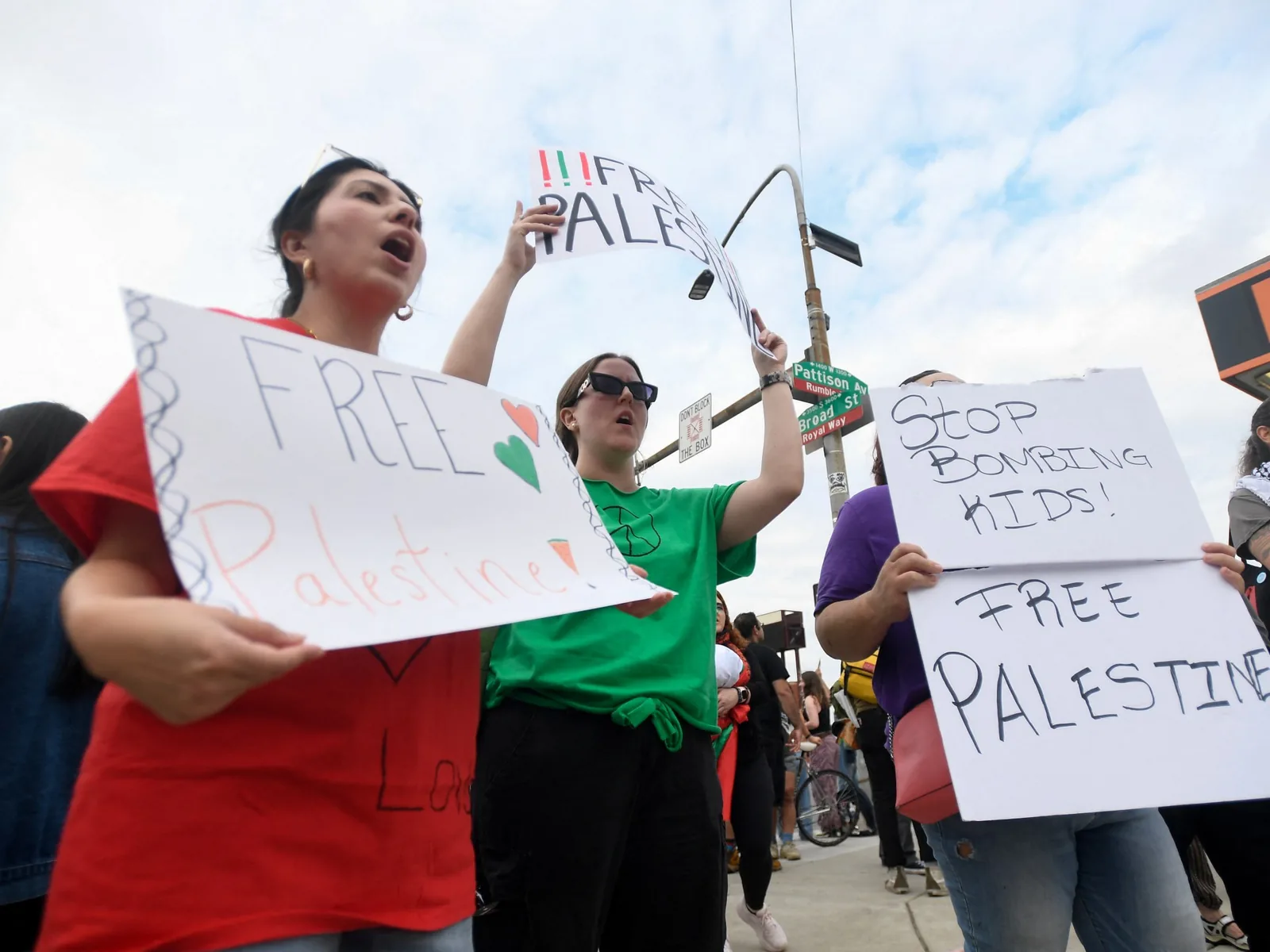
Outside Lincoln Financial Field, about 50 pro-Palestinian demonstrators rallied before the concert, waving flags and chanting “Free, free Palestine.” Their presence showed that the argument around the tour had moved from online commentary and industry fallout into a visible public protest.
Some fans chose to join the demonstration instead of attending the show. Hillary Steinberg, 34, of Philadelphia, said she had bought tickets a year earlier but later got a refund and came to the rally because she felt disappointed that Sheeran had not taken a stand.
She told the Associated Press that she had been a big fan until this week, and argued that music and art are political whether artists say so or not. Her reaction captured the disappointment felt by some supporters who wanted a clearer response from Sheeran.
Fans in the crowd said the music still came first
Not everyone outside or inside the venue saw the matter the same way. Concertgoers who spoke to Reuters before Sheeran went onstage said the controversy did not change why they came to the stadium in the first place.
Joy VanRuler, 55, of Pottstown, Pennsylvania, said she supports both Sheeran and Macklemore. She said the situation should not become political, adding that the point of the night was the music and that she still backed both artists.
That divide helped define the atmosphere around the Philadelphia stop. For some, the concert became a place to press for a political position; for others, it remained a night to hear the songs and leave the dispute outside the gates.
Why the Philadelphia show mattered for the rest of the tour
The Philadelphia concert was important because it marked the moment Sheeran finally addressed the controversy in public after days of criticism. By speaking at the opening of the show, he set the tone for a tour leg that had already been shaken by the departure of openers and the backlash surrounding Palestine.
His comments on Gaza, paired with the removed support acts and the crowd outside the stadium, showed how quickly a stadium tour can become a flashpoint for larger cultural arguments. The show was still a concert, but it also became a public statement of sorts, whether Sheeran intended it that way or not.
With the North America Loop Tour back under way, the Philadelphia stop suggested that the controversy is now part of the live experience. Fans and protesters alike arrived with strong views, and Sheeran had to confront that reality before moving on to the next date.
Chicago's music scene, one story at a time — Chicago Music Guide.