Gram Parsons’ Death at 26 and the Shocking Theft of His Body From a Private Funeral Turned a Country-Rock Legend Into Lasting American Music Lore
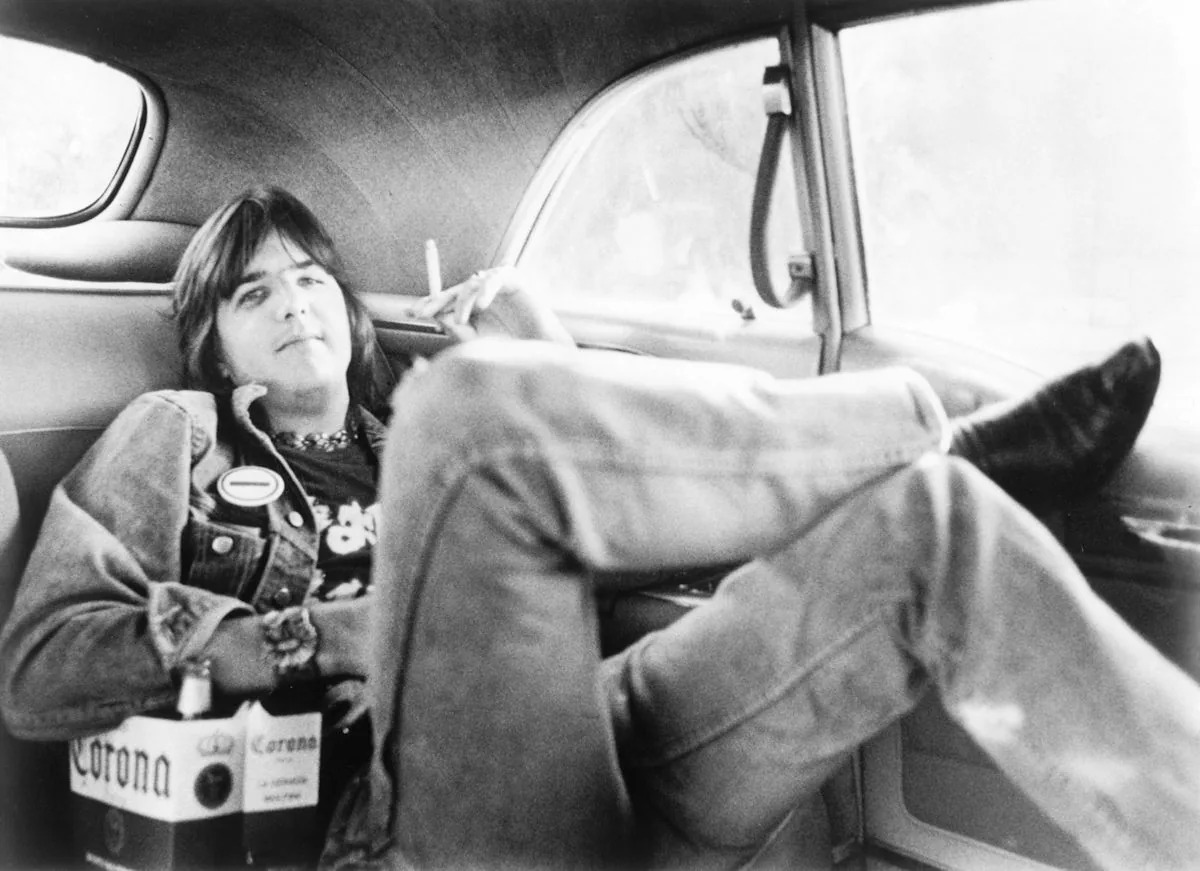
JOSHUA TREE, CA — Gram Parsons died in 1973 at 26, cutting short the life of a musician who helped reshape American rock by fusing country and rock sounds. The singer-songwriter was found dead in Joshua Tree after an accidental overdose involving morphine and alcohol.
His death would have been enough to seal his reputation as a tragic figure. Instead, the events that followed turned Parsons into the center of one of music’s most unusual afterstories, combining grief, loyalty, and a final act that pushed several friends into legal trouble.
How Parsons helped define country rock before his death
Parsons had already left a mark on the music business long before his death. He was a key creative force behind The Byrds’ move into country rock in 1968, helping guide the band toward a new sound that broadened its appeal and influence.
He later formed The Flying Burrito Brothers and also played a role in shaping The Rolling Stones’ 1972 album Exile on Main St. Those credits made him an important behind-the-scenes figure in American rock history, even though his own career was often overshadowed by the drama around him.
Parsons was also known as a songwriter and singer with real gifts, and his influence has outlasted his short life. For many fans, his legacy rests not only on the records he made, but on the way he helped bridge genres that had once seemed far apart.
Addiction, grief and the dark mood around his final months
By 1973, Parsons was struggling badly with heroin and alcohol. His marriage to Gretchen Burrell was also falling apart, adding another layer of instability to a life already marked by pain and heavy personal turmoil.
Those close to him noticed that his thinking had grown increasingly morbid in the months before he died. Road manager Phil Kaufman later said Parsons often talked about death and seemed preoccupied with what would happen after he was gone.
One of the clearest examples came after Parsons attended the funeral of Byrds guitarist Clarence White. According to Kaufman, Parsons was unimpressed by the Catholic ceremony and said that if he died, he wanted friends to have a few beers, take him to the desert and burn his body.
The Joshua Tree death followed the completion of Grievous Angel
Parsons had just finished work on Grievous Angel when he traveled to Joshua Tree to celebrate the achievement. It was there, on September 19, 1973, that he died from an overdose of morphine and alcohol.
His girlfriend at the time, Margaret Fisher, later described the moment as devastating and said it was the kind of day she would erase if she could. She recalled that watching someone die in front of her was something too painful to ever want repeated.
The death was tragic on its own, but the scene around it quickly became more complicated because of Parsons’ burial wishes. He had reportedly wanted to be cremated at Joshua Tree, with his ashes scattered over Cap Rock, but those plans were not carried out.
Why Kaufman and friends took the body back to the desert
Parsons’ stepfather arranged a private ceremony in New Orleans instead of following the desert cremation plan. That decision set off the bizarre sequence that made the story famous far beyond country-rock circles.
Kaufman and friends stole Parsons’ hearse and body and drove them back to Joshua Tree. There, they poured gasoline on the open coffin and set it on fire, creating a dramatic blaze in the desert. The act was meant to honor Parsons’ stated wish, but it also crossed a clear legal line.
The group was eventually arrested and fined $750 for stealing the coffin. What was left of Parsons’ body was later buried in Garden of Memories Cemetery in Louisiana, closing one chapter of the strange, posthumous saga while leaving the legend intact.
How the legend of Gram Parsons endures in American music
Parsons’ story has survived because it sits at the intersection of music history and mythmaking. He was not only a gifted performer, but also a person whose life was marked by addiction, loss and intense relationships that shaped how people remember him.
For fans of The Byrds, The Flying Burrito Brothers, and the wider country-rock scene, Parsons remains a central figure because his influence stretched across bands and albums that helped define an era. His death at 26 only deepened the sense that his career was unfinished.
At the same time, the theft and desert burning of his body gave the story a surreal ending that still gets attention decades later. It is part rock history, part tabloid oddity, and part illustration of how devotion to a musician can turn into something far more chaotic.
Why the Joshua Tree ending still fascinates fans decades later
Even more than many famous rock deaths, Parsons’ story has remained vivid because every part of it feels cinematic: the breakthrough success, the addiction, the final desert trip and the illegal attempt to carry out his wishes. Each element adds to the sense that his life was both influential and tragic.
What fans are left with is a complicated legacy. Parsons helped change the sound of American music, but his name is also tied to one of the strangest funerary episodes in rock history. That combination keeps his story alive in conversations about music, death and the myths that grow around both.
Chicago's music scene, one story at a time — Chicago Music Guide.