Ye Returns to Chicago for Two Sold-Out Soldier Field Shows as Fans Weigh His Apology, Past Antisemitic Rhetoric and Whether Art Can Be Separated From the Artist
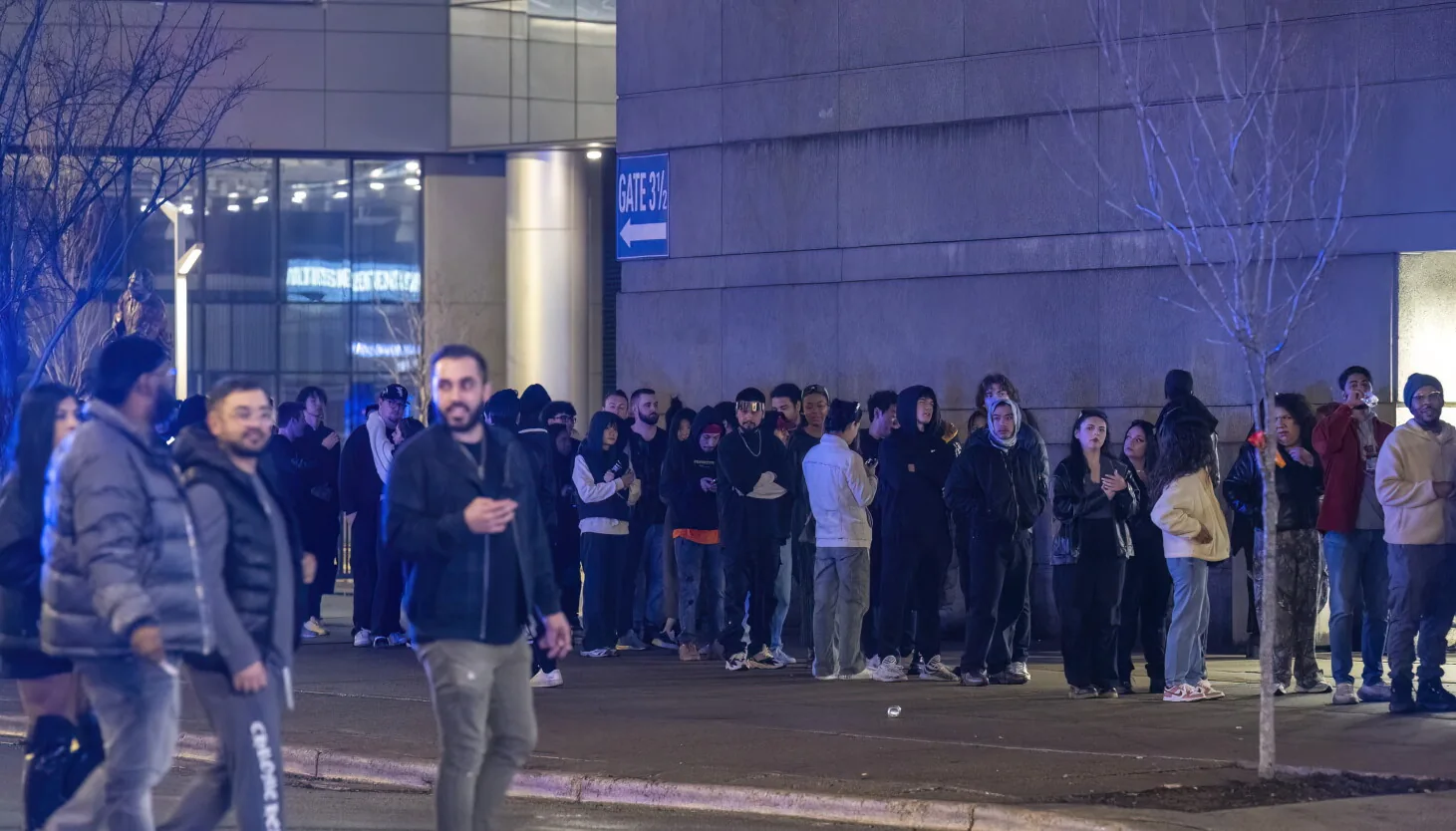
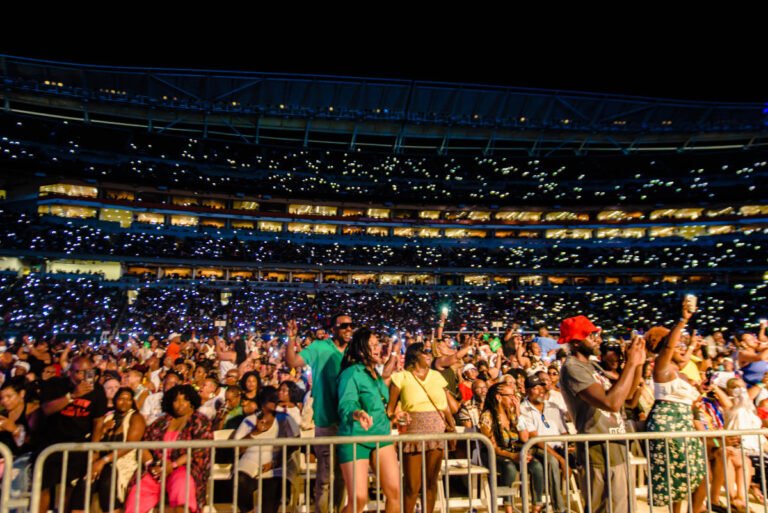
CHICAGO, IL — Ye, the artist formerly known as Kanye West, is back in Chicago with two sold-out shows at Soldier Field, and the moment is landing as much as a cultural test as a concert stop. For many fans, the homecoming brings the excitement that usually follows a major tour return.
For others, the shows reopen a harder question: how much of an artist’s work can be enjoyed after years of public controversy. Ye’s history includes antisemitic rhetoric, anti-Black remarks and associations with extremist figures and ideas, all of which continue to shape the way listeners talk about him now.
Why the Chicago shows are drawing more than just concertgoers
The Chicago dates matter because they are part of a broader public reckoning around Ye, not just a music event. His appearances at Soldier Field come at a time when fans and former fans are weighing whether a great catalog can still be separated from the behavior of the person who made it.
That tension gives the concerts an outsized meaning. In a city closely linked to Ye’s rise, the return invites both nostalgia and discomfort, especially for listeners who once connected deeply with his music but now struggle with how to reconcile that history with his public statements and conduct.
The WBEZ program framed the issue as a live debate rather than a settled verdict. It asks whether people can continue to embrace the art when the artist has caused significant harm, and whether redemption is possible after a public record as damaging as Ye’s.
Fans are revisiting years of controversy that changed the conversation
The reaction around Ye’s return is shaped by more than one incident. Over time, his public comments and associations have drawn criticism far beyond the music world, including backlash for antisemitic rhetoric and anti-Black remarks. Those controversies have made every new appearance feel loaded with meaning.
Some listeners may still focus on the records that helped define modern pop and hip-hop, while others have stopped engaging altogether. That split is part of what makes the Chicago shows so notable: they are happening in the middle of an unresolved argument among people who once shared the same fandom.
For a former fan, the decision is rarely simple. The question is not just whether the songs still sound good, but whether the broader context of Ye’s behavior has changed how those songs are heard at all.
Other countries have already taken action against Ye's appearances
The controversy around Ye has also had consequences outside the United States. Russia, Poland and the United Kingdom have all barred him from entering or moved to cancel his tour dates and festival appearances, showing how his public profile has shifted from celebrity event to international liability.
Those actions underscore how widely his words and associations have been treated as a problem. When countries and venues decide to shut down appearances, it sends a message that the issue is not only artistic reputation, but also public standards for who gets a platform.
In that sense, the Chicago concerts are happening against a larger backdrop of rejection elsewhere. They are part of a global conversation about whether fame alone can outweigh repeated offense and whether audiences will keep making room for him.
Ye says a brain injury and bipolar diagnosis changed his life
Earlier this year, before releasing a new album, Ye published an apology in the Wall Street Journal. In it, he said he had “lost touch with reality” after suffering brain damage in a car accident years ago, a medical event that he said eventually led to a bipolar type-1 diagnosis.
That statement adds another layer to the debate over accountability. It does not erase the harm that many people say he caused, but it does show that Ye has tried to explain the path that led to his behavior and public statements.
For fans trying to decide how to respond, that apology becomes part of the larger calculation. It raises the question of whether explanation, remorse and diagnosis can coexist with lasting consequences for the damage already done.
The WBEZ conversation asks whether redemption can follow real harm
The issue is central to WBEZ’s “Say More,” which uses Ye’s return as a jumping-off point for a larger conversation about redemption, accountability and fandom. The program does not treat the answer as obvious, because the emotional and moral stakes are different for every listener.
WBEZ news editor Arionne Nettles appears as the guest in the discussion, helping examine why this debate continues to resonate. The conversation is not only about one performer, but about a broader cultural habit of separating art from the person who made it.
That is why the Chicago shows matter beyond a sold-out stadium crowd. They offer a live example of a question that keeps returning in music and culture: when does appreciation become complicity, and can a beloved body of work survive the damage done by its creator?
What Ye's return means for listeners in Chicago and beyond
For Chicago audiences, the concerts are especially charged because they bring Ye back to the city that helped shape his career. That hometown connection makes the reaction feel personal, not abstract, for listeners who grew up with his music or watched his rise from here.
At the same time, the response is likely to stay divided. Some will attend simply to hear the music, while others may view the shows as evidence that public memory remains shorter than public harm. The split reveals how deeply celebrity can still influence the way people process wrongdoing.
Ye’s return does not resolve the art-versus-artist debate. If anything, it sharpens it, turning a pair of sold-out concerts into a test of how much controversy audiences are willing to carry when the music still fills a stadium.
Chicago's music scene, one story at a time — Chicago Music Guide.