Kanye West Ends His Final Chicago Show in Tears After Two Nights of Hometown Performances, Superstar Guests, and Career-Spanning Hits That Marked His First Return Since 2021
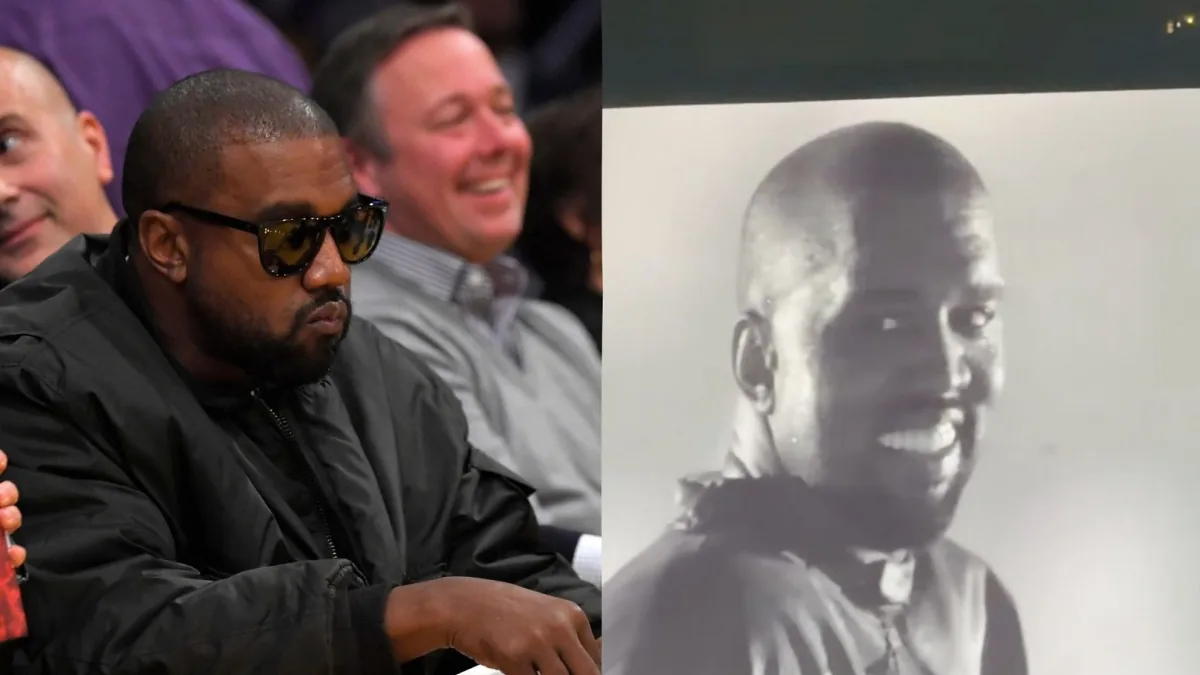
CHICAGO, IL — Kanye West’s long-awaited return to Chicago ended on an emotional note, with the rapper and producer visibly crying as his final show came to a close. Fans in attendance had spent two nights watching a performance built around superstar guests, career-spanning hits, and a celebration of West’s hometown ties.
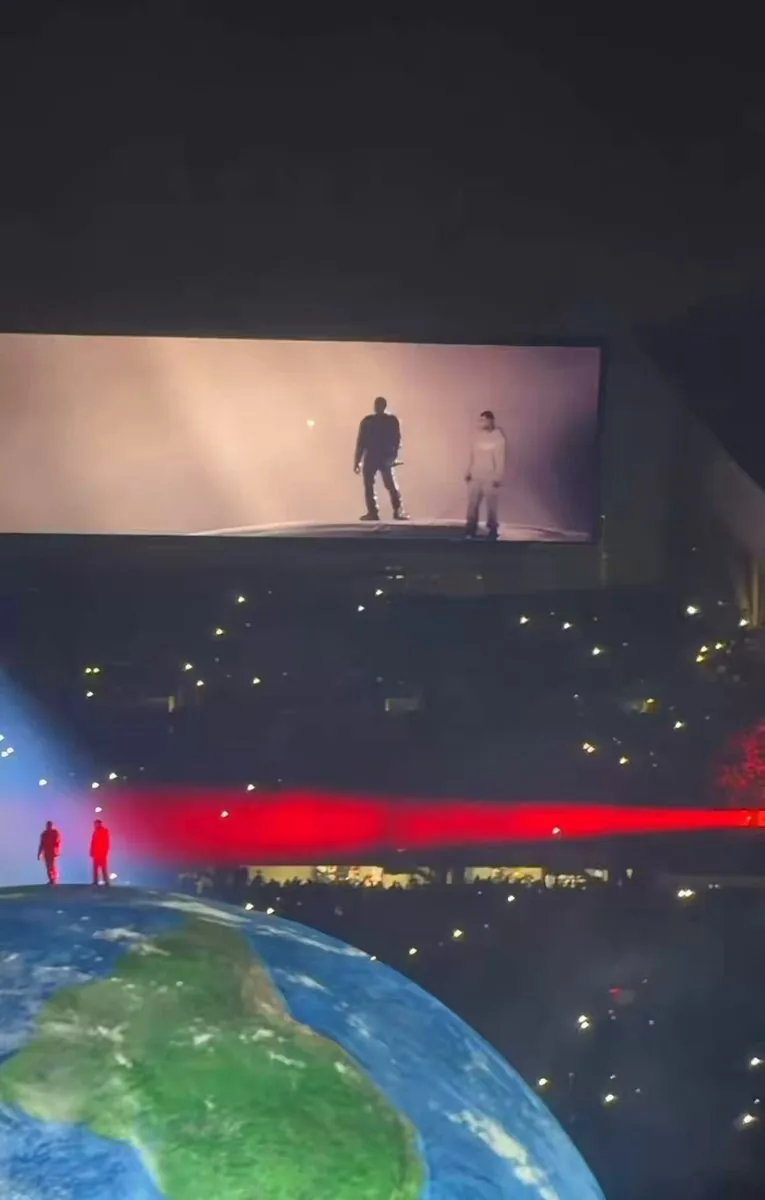
The reaction on stage became the defining image of the finale. As the crowd kept cheering, West appeared overwhelmed by the moment and struggled to hold back tears, turning the end of the concert into something closer to a hometown milestone than a routine tour stop.
Two nights of performances turned into a hometown event
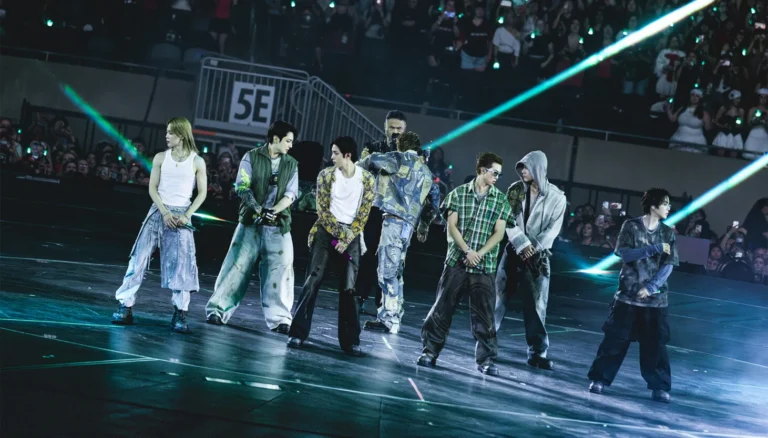
The Chicago shows were framed as more than just a pair of concerts. They brought together a mix of major guest appearances and songs that reached across West’s catalog, giving the event the feel of a career summary as much as a live set.
That combination mattered to fans because it made the weekend feel like a full-scale return rather than a one-off appearance. The performances also gave Chicago audiences a chance to see West in the city that shaped much of his identity and early rise.
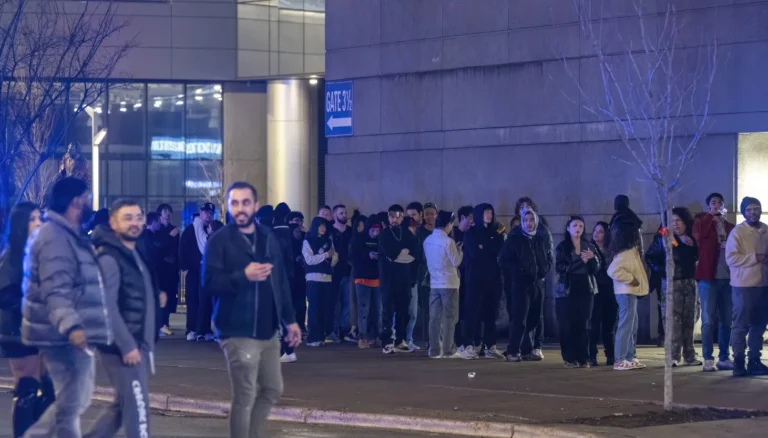
By the time the final night ended, the atmosphere had shifted from spectacle to emotion. The cheering crowd and West’s visible response created a closing scene that matched the weight of the occasion.
His first hometown shows since 2021 made the moment feel bigger
The Chicago performances carried extra significance because they were West’s first hometown shows since 2021. That gap helped explain why the return drew so much attention and why the finale landed with such force.
For fans, a hometown show often carries a different kind of energy than an ordinary concert. In this case, the return to Chicago suggested a reset of sorts, or at least a major live moment after several years away from that setting.
The timing also mattered. The event arrived at what was described as a pivotal stage in West’s career, which made the emotional ending feel connected not just to the city, but to a larger period of reflection and transition.
Superstar guests and hits from across his career shaped the set
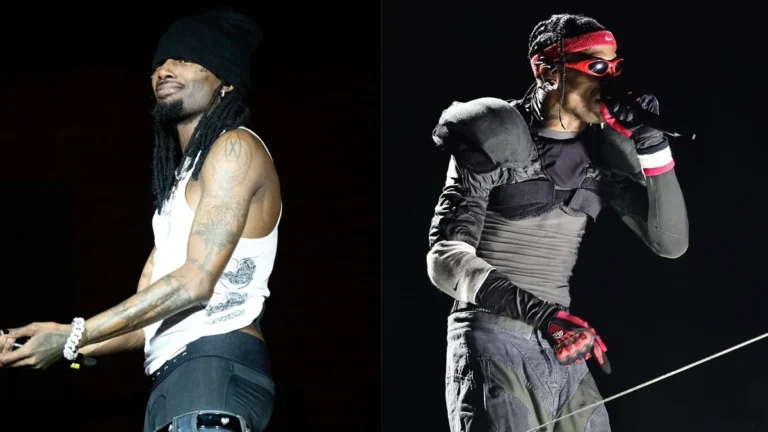
West’s Chicago run leaned on two elements that usually make a concert event stand out: well-known guests and songs that span an artist’s whole career. Together, those ingredients helped frame the nights as a celebration rather than a narrow promotional stop.
Career-spanning sets tend to draw the loudest response because they let longtime fans hear the records that defined each era. In West’s case, that approach also reinforced the sense that the shows were meant to honor both his musical history and the city where that story began.
With the crowd still cheering during the ending, the concert’s emotional peak came after the music itself had done most of the work. The final image was not just of a performer finishing a show, but of an artist clearly affected by what the night represented.
The finale underscored West’s connection to Chicago
Chicago has long been central to West’s public identity, and the weekend performances leaned heavily on that connection. The shows were presented as a hometown celebration, making the city feel like an active part of the story rather than a backdrop.
That connection gave the tears at the end added meaning. The moment suggested that the emotional weight of the return was tied to more than applause, reaching into the broader significance of coming back to a place so closely associated with his rise.
For many in the crowd, the final scene likely served as the emotional payoff to a weekend built around nostalgia, familiarity, and a rare live homecoming.
A dramatic close turned the concert into one of the year’s most talked-about events
By the end of the second night, West’s Chicago return had become one of the most discussed concert events of the year. The emotional ending helped push it beyond a standard live performance and into the kind of moment fans remember because of how it felt as much as what was played.
There was no need for a complicated stage effect or surprise reveal to end the show. The crowd’s response and West’s own emotions provided the final chapter, giving the event a memorable finish that matched its ambitious setup.
That mix of scale, surprise, and personal emotion is what made the weekend stand out. For Chicago fans, it ended with a powerful image: one of the city’s most famous musical figures, visibly moved on his own stage.
Chicago's music scene, one story at a time — Chicago Music Guide.