Cassandra Wilson, Two-Time Grammy Winner and Jackson Native, Dies at 70 After Redefining Jazz With a Contralto Rooted in Mississippi
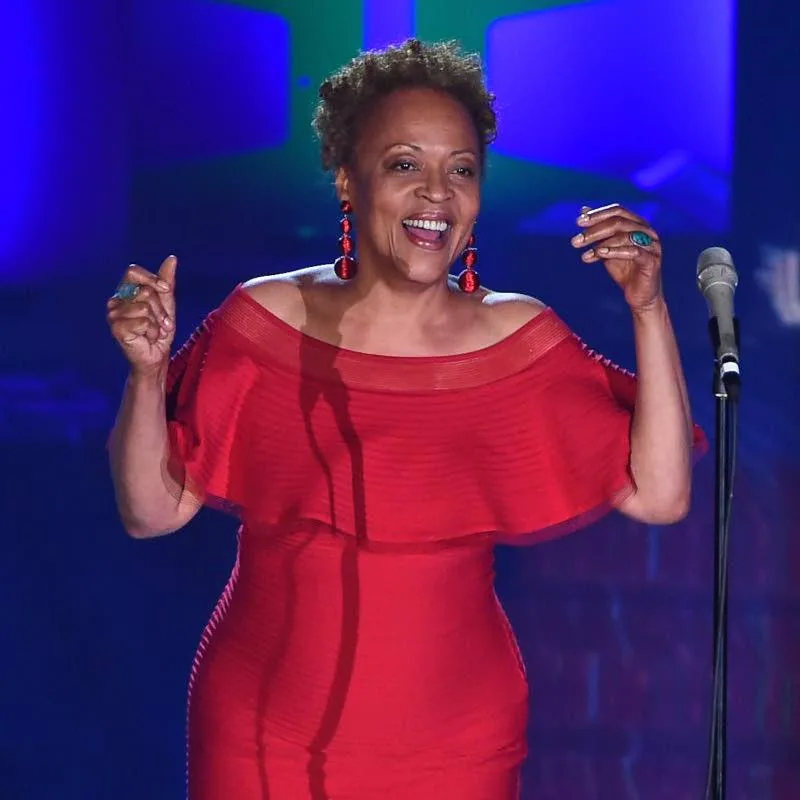
NEW YORK, NY — Cassandra Wilson, the Grammy-winning jazz singer, songwriter and producer whose voice carried her from Mississippi clubs to international acclaim, has died at 70. Her manager said she died peacefully at home on Tuesday morning in her native Jackson, Mississippi, surrounded by family, close friends and her manager.
Wilson became one of the defining jazz voices of her generation by moving comfortably between blues-based jazz, folk, pop, R&B and country. Time magazine called her America’s best singer in 2001, a recognition that matched the wide reach of her work and the deep individuality of her sound.
A contralto that made jazz sound wider than the genre
Wilson’s most distinctive instrument was her contralto, a voice listeners often described as soulful, smoky and unmistakable. Jon Batiste, in a tribute, said she sounded like the South, capturing how closely her artistry remained tied to place even as it traveled far beyond it.
Her music was never confined to a single lane. Wilson was known for expanding the possibilities of traditional jazz while folding in influences from folk and popular music, and she did so without losing the earthy quality that made her singing instantly recognizable.
That combination helped her stand apart in a crowded field. She was both technically assured and stylistically open, which made her records and performances feel rooted in tradition and willing to cross boundaries at the same time.
From Jackson childhood to New Orleans mentorship and New York momentum
Born and raised in Jackson to musician Herman B. Fowlkes and teacher Mary Fowlkes, Wilson grew up around music and absorbed a wide range of influences early on. She listened to Motown, Miles Davis and Thelonious Monk, and by age 6 she had started piano lessons.
She later played clarinet in marching bands and performed in coffeehouses and cover bands while studying at Millsaps College and Jackson State University. Those years gave her the performing experience and musical discipline that would shape her later career.
In the early 1980s, Wilson learned from jazz greats in New Orleans before moving to New York City. There she joined Steve Coleman’s M-Base Collective and eventually became its main vocalist, a step that pushed her into a larger national and international spotlight.
The albums and Grammy wins that defined her peak years
Wilson’s voice brought her four Grammy nominations and two wins in the category of Best Jazz Vocal Album. She won in 1997 for New Moon Daughter, then again in 2009 for Loverly, two albums that helped define her commercial and critical peak.
Those honors reflected more than industry recognition. They confirmed that Wilson had become a leading interpreter and reimaginer of jazz standards and related material, with a style that remained personal even when she was working through familiar songs and forms.
Her career also showed a steady balance between experimentation and accessibility. That balance made her appealing to jazz purists and to listeners who came to her through the wider worlds of soul, roots music and adult contemporary listening.
Billie Holiday tributes, the Apollo and a final album
In 2015, Wilson performed a special concert at the Apollo Theater to mark the 100th birthday of Billie Holiday, one of the great figures in American jazz history. The appearance linked Wilson to a lineage of Black women vocalists who transformed the genre through phrasing, depth and emotional authority.
That same year, she released her final album, Coming Forth by Day, a tribute to Holiday. The project fit naturally with Wilson’s artistic identity, since she often treated jazz history as something to be reinterpreted rather than simply preserved.
The album and concert together reinforced the role she played late in her career: an artist who could honor the past while still sounding unmistakably modern. For many fans, that ability was part of what made her so singular.
National honors and tributes underline her reach
Wilson’s influence was formally recognized in 2022 when she was named a National Endowment for the Arts Jazz Master, one of the highest honors for jazz musicians in the United States. The award reflected the breadth of her impact and her place in the American music canon.
After her death, tributes focused not only on her voice but on the way she carried Mississippi’s history and spirit into her art. Jon Batiste said her approach to weaving folkloric, R&B and diasporic music together had a major effect on him, and he recalled that she took him on tour around the world.
Jackson Mayor John Horhn said the city had lost an extraordinary native daughter and that the world had lost a singular musical voice. He said Wilson carried the sound, spirit and history of Mississippi wherever her music reached.
Why Wilson’s legacy remains central to American jazz
Wilson leaves behind a body of work that helped widen the emotional and stylistic language of modern jazz. Her recordings showed how the genre could absorb blues, folk, R&B and country without losing its center, and that lesson continues to resonate with younger artists.
She was admired not just for her range, but for the consistency of her perspective. Whether interpreting classics, recording original material or revisiting the legacy of Billie Holiday, Wilson kept returning to the same core idea: that music can carry history, identity and innovation at once.
For listeners, that made her both a beloved vocalist and a guide to what jazz could become. Her death closes a major chapter in American music, but the tone she created remains one of its most recognizable and influential signatures.
Chicago's music scene, one story at a time — Chicago Music Guide.