Kathleen Hanna Reflects on Bikini Kill’s Boston Return, From Gloria Steinem’s D.C. Rally to Roadrunner and the Feminist Punk Movement That Changed Her Life
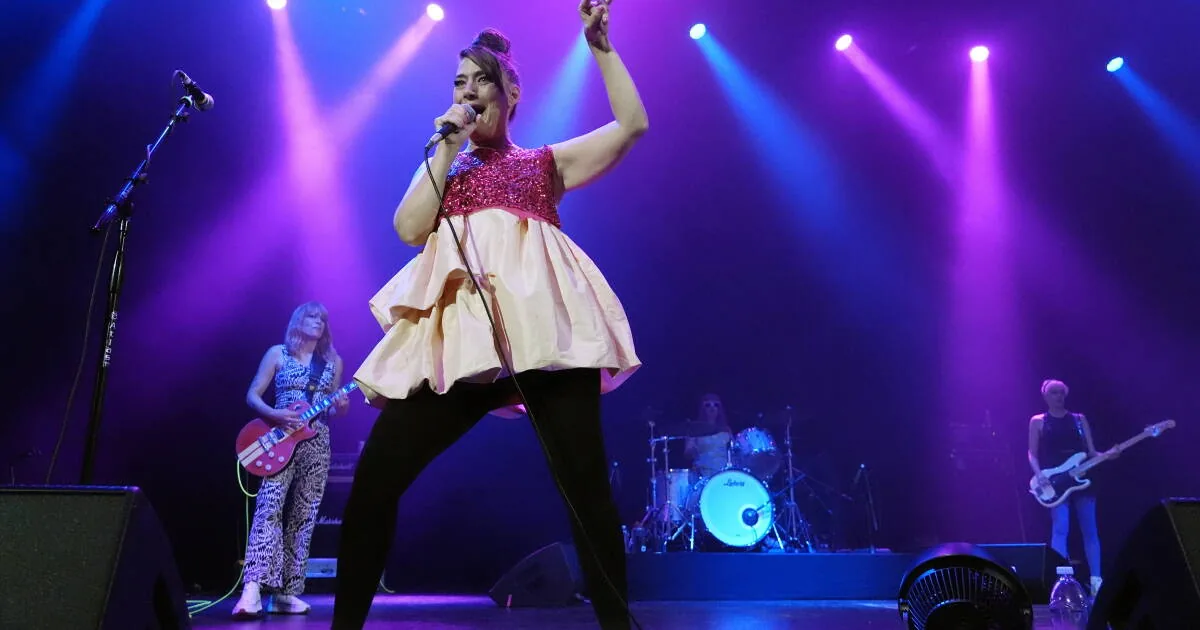
BOSTON, MA — As Bikini Kill came back to Boston for a show at Roadrunner on Sept. 23, Kathleen Hanna looked back on the experiences that pushed her toward music, activism, and the radical community spirit that became her trademark. Speaking with GBH’s Morning Edition host Tori Bedford, Hanna traced a path that ran from childhood political awakening to the confrontational energy that made Bikini Kill one of the defining bands of feminist punk.
Hanna described seeing Gloria Steinem and Bella Abzug speak when she was about 9 years old at a Solidarity Day march in Washington, D.C. She said the scene of women marching while the speakers addressed the crowd left a lasting mark, giving her an early sense that women could be political leaders and that music could create a similar feeling of collective power.
How a childhood march in Washington shaped Hanna’s sense of purpose
For Hanna, that rally was more than a memory. She said it became a formative moment that showed her the possibility of women organizing around workers’ rights, equal pay, and public action. At the time, she said, she did not yet understand those ideas, but the experience stayed with her and later helped shape the way she thought about performing.
She connected that memory to the way Bikini Kill shows were designed. Hanna said she wanted to recreate the energy she felt in Washington by asking women to move toward the front and creating all-women mosh pits. In her telling, the stage was not just a place to play songs, but a place to make people feel included, visible, and physically part of the moment.
Poetry, abuse, and the move from speaking to singing
Hanna said writing had always been a refuge, especially during a period when she felt invisible and unheard. She described poetry as something that helped her survive painful circumstances, including an abuse situation, before spoken word gradually led her toward singing. Music, she said, gave her another way to express what she had been carrying.
That shift carried directly into Bikini Kill’s lyrical approach. Hanna said the band sang about sexual abuse, body autonomy, and rejecting the idea that women had to make themselves palatable to men. She framed that stance bluntly, saying the audience was not there to judge women performers and that if men came to a Bikini Kill show, they were guests.
The backlash that met Bikini Kill’s early feminist message
Hanna said the response to Bikini Kill was often more hostile than the band expected. Instead of immediate celebration, she recalled being accused of ruining punk scenes with feminist politics and of attacking men. According to Hanna, some crowd members yelled, threw objects, or tried to grab the band members while they were onstage.
She also said the harassment extended beyond the venue. Hanna described receiving threatening mail for years and said she answered letters by hand for seven years. The pressure, combined with growing mainstream attention and internal strain within the band, made the work exhausting. She said the constant fear and the lack of communication among the four members contributed to the original breakup.
Why Bikini Kill stopped saying “girls to the front”
When Bedford asked about Bikini Kill’s reunion-era decision to move away from the slogan “girls to the front,” Hanna said the change reflected a deeper awareness of gender identity and safety. She explained that the phrase felt wrong when the band regrouped because she did not want to place trans women at risk or reinforce exclusionary behavior from cisgender women toward trans or non-binary people.
Hanna said the band had long talked about biological determinism, but the reunion made the issue feel more urgent. Her response was direct: the band did not want to support anyone being pushed out of a space meant for community and expression. The shift, she suggested, was part of the band growing up and reassessing the language that once defined its concerts.
Le Tigre, joy, and finding a way to keep going
Hanna said the period after Bikini Kill’s breakup was dark and marked by burnout, but it also opened the door to Le Tigre, a project she described as radically joyful. She said music remained central to her identity, and that she did not want to retreat from performing even after the strain of the earlier years.
Her answer to that moment was community and dance music. Hanna said joy, movement, and anger could coexist, and that making music that felt uplifting helped her keep going. In her view, Le Tigre was not a detour but a lifeline, a way to stay onstage while changing the emotional language of her art.
Onstage now, Hanna says the band feels older and less alone
Looking at Bikini Kill’s current run, Hanna said the experience feels different from the band’s first era. In the 1990s, she felt isolated before shows; now, she said, she feels as if the group goes onstage together with a stronger sense of shared purpose. The difference, she suggested, comes from age, perspective, and a better understanding of what the band has meant to its members.
She became emotional while talking about it, saying the band appreciates both what it had then and what it has now. For fans, that reflection offers a glimpse of why Bikini Kill’s return still matters: the music is still rooted in rebellion, but the meaning around it has widened into something more reflective, inclusive, and hard-won.
Chicago's music scene, one story at a time — Chicago Music Guide.