Birmingham Singer Valarie T. Smith Looks Back on Her Four-Chair ‘The Voice’ Run and Says New Music Is Coming After the NBC Spotlight
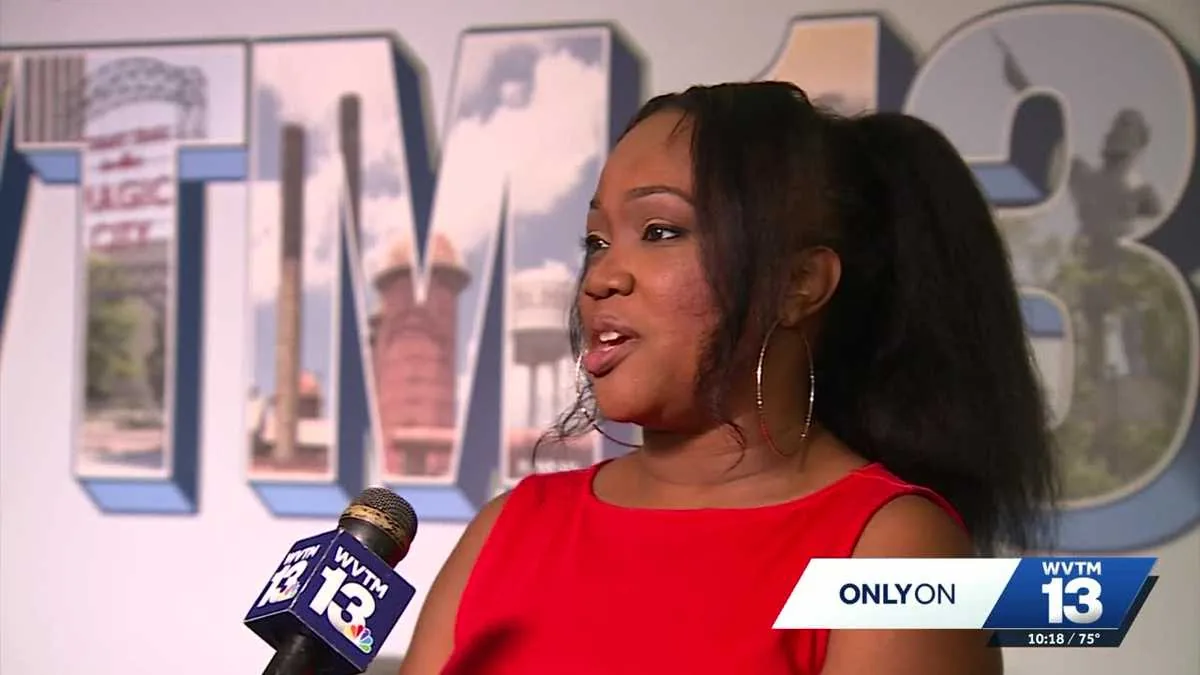
BIRMINGHAM, AL — Valarie T. Smith is revisiting the moment her career changed on NBC’s The Voice, while also pointing toward what comes next. The Birmingham singer appeared on Season 25 of the competition and earned a four-chair turn in her blind audition with Deborah Cox’s “Nobody’s Supposed to Be Here.”
With Season 30 now underway, Smith is reflecting on how the show pushed her onto a national stage and brought new attention to her work. She said the experience was exciting, but it also came with nerves, pressure and the reality that the attention would not automatically last once the cameras stopped rolling.
A blind audition that still feels unforgettable
Smith said she had plenty of stage experience before The Voice, but the blind audition brought a different kind of anxiety. She recalled being visibly nervous when she stepped out in front of the coaches and heard four of them respond to her performance.
“My knees were absolutely shaking,” Smith said. “But I remember at the moment that I took the stage and I opened my mouth. The first thing I did was I hummed right before I went into the verse, and it kind of helped me release a little bit of the nerves.”
That audition became her doorway into the larger competition, and it also created the kind of moment performers often hope for on the show: immediate validation from multiple coaches before the first verse is even finished. For Smith, it was an early sign that her voice could stand out on a national platform.
Team Chance gave her space to be herself
After the blind audition, Smith moved forward as part of Team Chance, working with Chance the Rapper during the season. She said one of the most valuable parts of the experience was being encouraged to lean into her own background as a seasoned performer rather than trying to fit a template.
Chance, she said, gave her freedom to show up as herself onstage. That mattered for a singer who already had years of performing behind her and wanted the show to highlight what made her distinct instead of flattening it into a television narrative.
For many contestants, the mentor relationship is one of the most visible parts of the competition. In Smith’s case, the guidance appears to have reinforced confidence that she could carry her own identity into every round, even in a format built for fast decisions and big moments.
The show led to real bookings, including Texas
The exposure from The Voice did more than give Smith a recognizable name. It also helped lead to new performance opportunities, including a ticketed theater date in New Braunfels, Texas, where she played for a packed room of strangers.
That kind of booking showed how national TV attention can translate into actual audience growth for artists who are trying to build a sustainable career. Smith said she found herself performing for people she had never met, proof that the show had widened her reach beyond her home market.
Still, the shift from television visibility to real-world momentum is not automatic. A buzzy appearance can open doors, but artists still have to walk through them with live shows, promotional work and enough consistency to keep interest alive.
Life after television meant pitching herself again
Smith said the hardest part came when the pace of opportunities slowed down after the show. The question became what to do once the initial burst of attention started easing. That stretch forced her to think about the business side of music as much as the performance side.
She kept taking bookings, contacting venues and promoting herself on social media rather than waiting for the next big break to arrive on its own. For Smith, staying visible meant continuing to work the same way many independent artists do long after the spotlight moves on.
“Your name goes before you right behind the show,” Smith said. “But you have to continue to work to make that name continue to ring out.”
New songs, Birmingham roots and advice for Season 30
Now back in Birmingham, Smith says she is still building her music career and looking ahead to new releases. She recently appeared on gospel artist Damon Reed’s song “For My Good,” and she says she is preparing to put out new music of her own.
As Season 30 contestants begin their own journey on The Voice, Smith offered advice rooted in experience rather than hype. Her message was simple: breathe, remember the coaches are people too and do not overthink the moment. For her, the pressure can be the biggest obstacle.
By keeping her focus on the work after the show, Smith’s story has become less about a single audition and more about what happens when a local artist tries to turn national exposure into a lasting career.
Chicago's music scene, one story at a time — Chicago Music Guide.