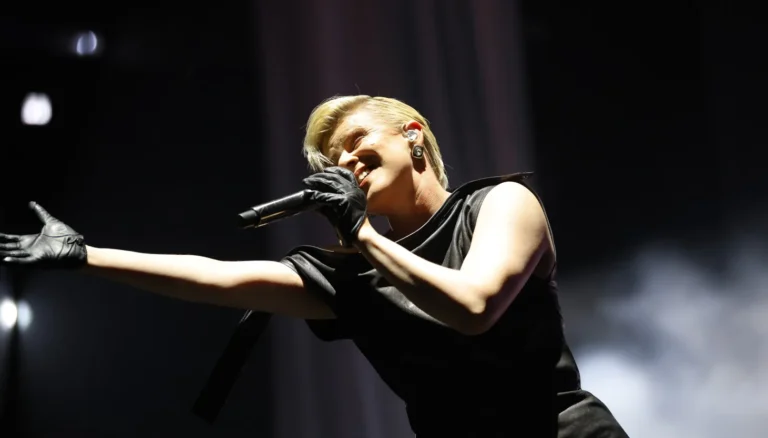
Chief Keef Returns to Chicago for Long Awaited Hometown Concert at Huntington Bank Pavilion, but His Sold Out Homecoming Leans Too Heavily on Guests and Misses the Full Impact Fans Expected
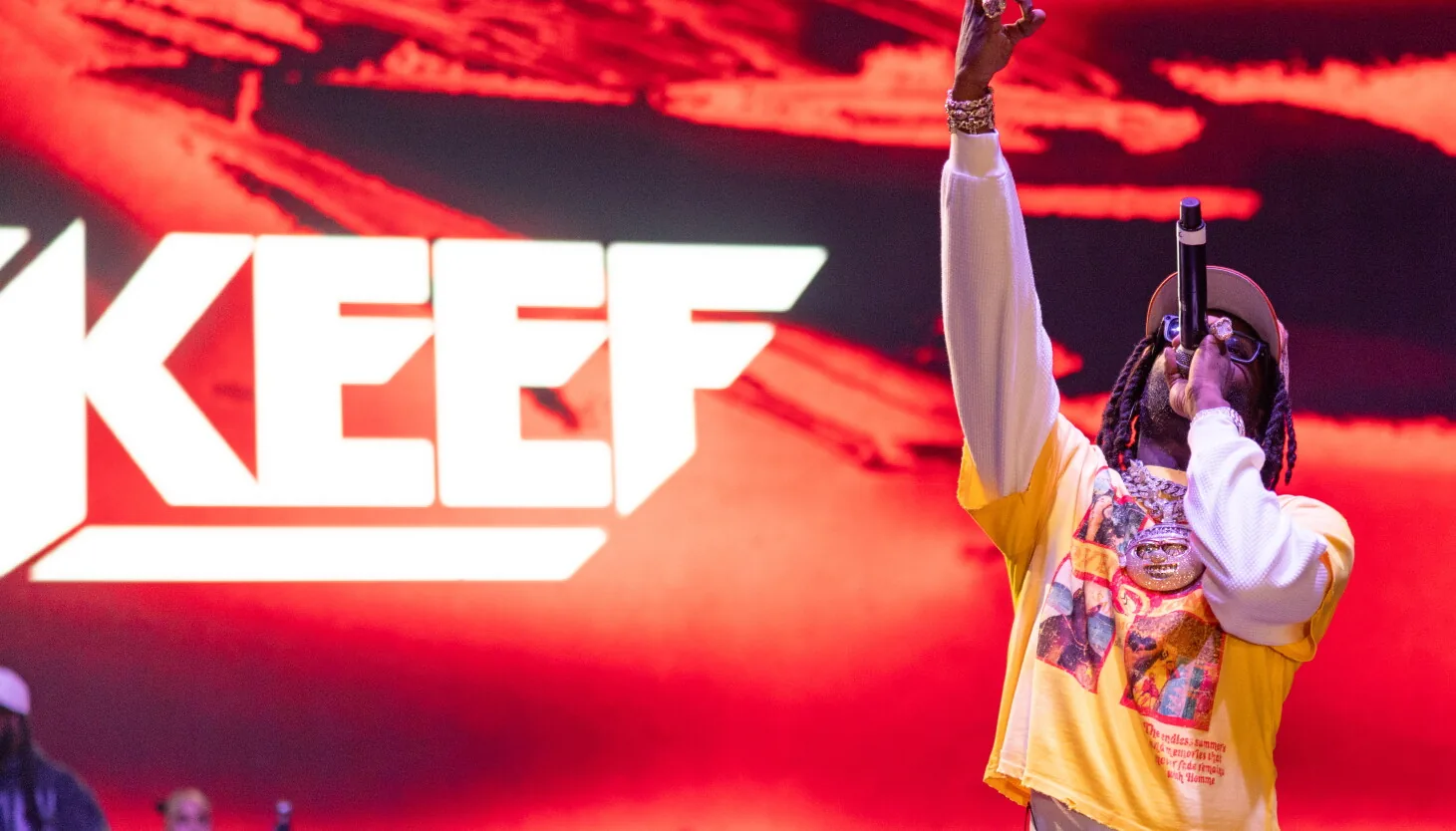
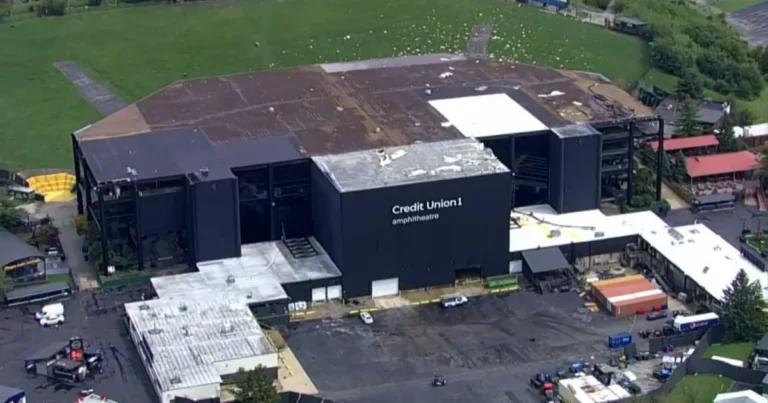
CHICAGO, IL — Chief Keef finally made it back to a Chicago stage on Wednesday night, ending more than a decade away from performing inside city limits. The sold-out show at Huntington Bank Pavilion at Northerly Island was supposed to feel like a landmark moment for drill fans who had waited years to see him headline at home.
Instead, the night landed somewhere between celebration and letdown. Keef brought the hits, the band gave some of his songs fresh force, and the crowd had plenty to cheer. But the performance also leaned so hard on guests, friends and family onstage that the rapper’s own presence sometimes got lost in the noise.
A delayed hometown return that still carried huge expectations
The concert had already been circled as one of the most anticipated Chicago hip-hop events in years because it was set to launch Keef’s national headlining tour. It was originally scheduled for Sept. 12, then pushed back at the last minute because of travel delays. Keef never addressed the postponement during the performance.
That silence mattered because expectations had only grown in the gap. For fans, this was more than another tour stop. It was the first time in more than ten years that one of Chicago’s most influential rappers was performing within the city after being unofficially sidelined by local venues for much of that stretch.
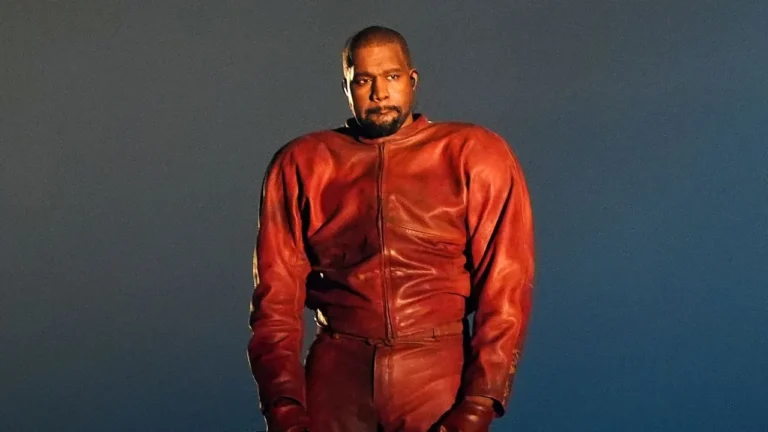
By the time he finally stepped out, the crowd had already been fed backstage footage and a sense that something big was building. When he did arrive, the introduction was grand and the reaction immediate, with the audience treating his entrance like a victory lap years in the making.
Family energy, but too many people crowded the spotlight
Keef came out with cousin and rapper Ballout beside him, and the mood inside the pavilion was loose and celebratory. He spent much of the night dancing, moving around and letting his music carry the weight, which fit his longstanding habit of saying very little between songs.
The problem was not energy so much as balance. A large group of friends, relatives and guests filled the stage, and the extra bodies often diluted the focus. Ballout, along with Tadoe and DooWop, brought the strongest commitment and helped keep momentum moving. Others, though, seemed to be standing around rather than adding to the performance.
That made the show feel less like a sharp headline set and more like a family gathering with a soundtrack. For a rapper who once thrived on raw, explosive urgency, the warm, relaxed tone sometimes worked against the music’s harder edges.
Chance the Rapper’s cameo brought one of the night’s biggest jolts
The most electric surprise came when Chance the Rapper stepped out for a short appearance. His performance of “No Problem” gave the crowd one of the night’s clearest spikes of excitement, and his confidence onstage stood out immediately.
Chance and Keef have long occupied very different lanes in Chicago hip-hop, but they have also backed each other publicly over the years. Their onstage embrace offered a rare visual of two major South Side voices sharing the same moment without any performance rivalry getting in the way.
Even in a show that sometimes scattered its attention, that cameo felt singular. It reminded the crowd that the night was not only about one rapper’s return, but also about the ongoing connections between artists who helped define different eras and styles of the city’s music scene.
The live band sharpened old hits and gave them new edges
One of the smartest choices in the set was the live band, which added grit and tension to Keef’s early material. Songs like “Love Sosa” and “I Don’t Like” picked up a harder, more jagged texture that made the familiar records feel newly dangerous.
Guitarist Johnny “6ravo” Rayborn’s work on “I Don’t Like” was especially effective. His riffs pushed the song into funkier, more aggressive territory and gave the performance an urgency that matched the track’s reputation as one of Keef’s signature statements.
The band probably should have been present for more of the set. On the songs where they played, they made the music hit with extra force and gave the show a level of musical detail that helped it rise above a standard greatest-hits run.
Keef mostly stuck to the classics and skipped his new album
Keef’s set leaned heavily on the records fans expected most. He delivered staples such as “Bang,” “Hadouken,” “Faneto,” “Love Sosa” and “I Don’t Like,” while also working in deeper cuts like “Kills” and “Understand Me.” For a hometown crowd, that catalog was enough to satisfy in the moment.
What was missing was any material from his new album, Skeletor. That was a notable omission because the project shows him at a clearer and more playful lyrical peak, while also giving him room to show off his production instincts. Songs such as “Breaking Down,” “The Real Chief Keef,” “Slide” and “Harry Potter” were not part of the night.
Seeing him perform for nearly two hours also made the contrast between his current stage demeanor and the relentless force of his earliest music more obvious. His movements could be loose and whimsical, even when the songs called for danger and rage, which made the show feel like a portrait of an artist who has evolved but not fully aligned his performance style with his own legends.
A hometown win that still leaves bigger stages in reach
The closing stretch brought more of what the audience came for, including “Runner,” “War,” “Sosa Chamberlain” and “Faneto.” The setlist spanned much of the catalog and ended up giving fans a broad look at how far Keef’s music has traveled since he first broke through as a teen.
Still, the review of the night was mixed. The show had enough memorable moments to count as a successful return, but not enough control or intensity to feel like a fully triumphant homecoming. In that sense, it looked more like a step than a summit.
That leaves room for even bigger Chicago stages later. A future Lollapalooza appearance would make sense, and the idea of Keef eventually reaching Soldier Field is no longer far-fetched. Wednesday’s concert showed why that ambition exists, even if it also showed how much more he could do to turn it into a truly towering live statement.
Chicago's music scene, one story at a time — Chicago Music Guide.