Louis Armstrong’s 1957 Highland Park Concert Finally Arrives on Record, With a 1,200 Person Fundraiser Set Preserved From a High School Auditorium Near Chicago
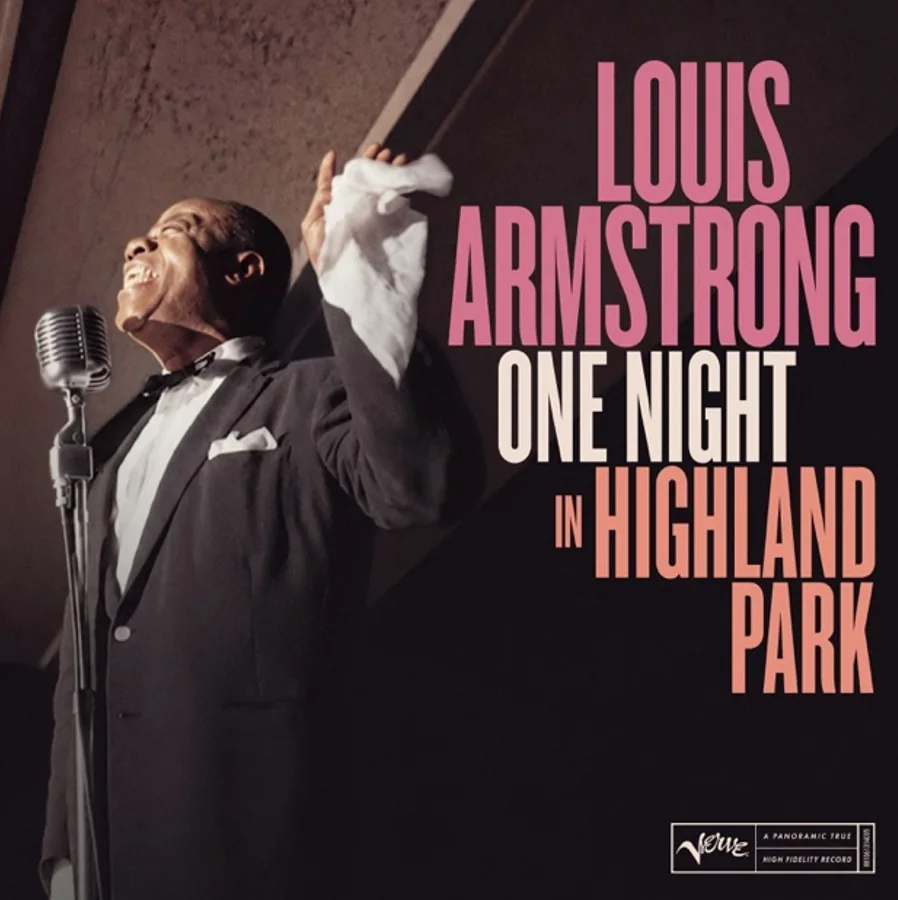
CHICAGO, IL — Louis Armstrong’s March 19, 1957 concert in Highland Park, Illinois, is finally stepping out of private tape storage and into the public ear. The performance, recorded more than 68 years ago, is being released as One Night in Highland Park, giving listeners a chance to hear a night that almost disappeared into the routine of Armstrong’s packed touring life.
The show took place at Highland Park High School at a fundraiser for the Highland Park Reform Temple and drew 1,200 people. What makes the release remarkable is that the music survived only because stage manager Joel Goldstein decided to capture it himself, hanging microphones from a batten and running the performance to an Ampex reel-to-reel machine.
How a single tape turned a routine stop into a preserved concert
Armstrong’s schedule in 1957 left little room for any one night to feel special in the moment. Two days before the Highland Park performance, he had already played twice at the Chicago Opera House, and that year he was riding a major stretch in his career, boosted by the success of “Mack the Knife,” Ella and Louis and the film High Society.
Even with that momentum, Armstrong treated a high school auditorium the same way he treated larger halls. In 1957 he said, “I play them because I love music,” adding that he did not mind traveling because audiences were in towns and cities, and that was where he wanted to be. That attitude is a big part of why this recording feels so vivid now: it captures him working without ceremony, even though the music history around him was extraordinary.
What listeners hear on One Night in Highland Park
The release includes Armstrong with the version of His All Stars he considered his favorite lineup. The group featured Trummy Young on trombone, Edmond Hall on clarinet, Billy Kyle on piano, Squire Gersh on bass and Barrett Deems on drums. Together they build a set that moves easily between swing, blues, New Orleans roots and Armstrong’s newer popular material.
The opening taste, “Ole Miss,” shows Armstrong in a jubilant instrumental mood that reaches back to tunes he had been playing since his teenage years in New Orleans. Other songs widen the range further, including “When It’s Sleepy Time Down South,” “(Back Home Again in) Indiana” and “Tiger Rag,” all of which help frame the concert as a showcase for both the band and its leader’s trumpet voice.
From New Orleans roots to movie-era showpieces
Part of the appeal of the Highland Park tape is the way Armstrong moves across eras without sounding staged. “The Gypsy” and “Blueberry Hill” ease the pace, while “High Society Calypso” brings in the spirit of his recent film work. “Tin Roof Blues” and “My Bucket’s Got a Hole in It” look back toward the music that shaped him early on, especially the New Orleans sounds that never left his playing.
The concert also includes “Mack the Knife,” which by 1957 had become Armstrong’s biggest record to date. Hearing it in the same set as older staples gives the performance a built-in time travel effect. Fans can hear a current hit living comfortably beside songs that linked Armstrong to earlier chapters of his career, all in one room on one night.
Why the recording matters to Armstrong fans and collectors
This release is valuable because it preserves a concert before anyone in the room could know it would matter decades later. Armstrong was simply performing for the audience in front of him, yet Goldstein’s decision to record the show turned it into a document of how Armstrong sounded in a strong period of his career. The tape became a time capsule instead of a memory.
The album has now been transferred, mixed and mastered by Kevin Reeves. It also comes with liner notes from Armstrong biographer Ricky Riccardi, who serves as Director of Research Collections for the Louis Armstrong House Museum and is a two-time Grammy winner for Best Album Notes. That combination gives the release both archival weight and context for listeners approaching it as more than just a lost live album.
The full set list and the encore feeling of a rediscovered night
The track list underlines how complete the performance is, moving from “When It’s Sleepy Time Down South” through “When the Saints Go Marching In” and ending with “The Star-Spangled Banner.” The selection reflects Armstrong’s ability to turn a concert into a broad survey of his musical world, with each tune helping the audience hear a different side of his band and trumpet work.
Nearly seven decades after that high school fundraiser, the concert finally gets a proper public release. What once sat in the hands of a stage manager and on a reel-to-reel tape now reappears as a finished album, letting a new generation hear Armstrong in full command of a night that was ordinary only until history caught up with it.
Chicago's music scene, one story at a time — Chicago Music Guide.