Selena Brother A.B. Quintanilla Sues Suzette Quintanilla Arriaga and Family Companies Over Alleged Unpaid Profits From Singer’s Legacy Rights in Texas
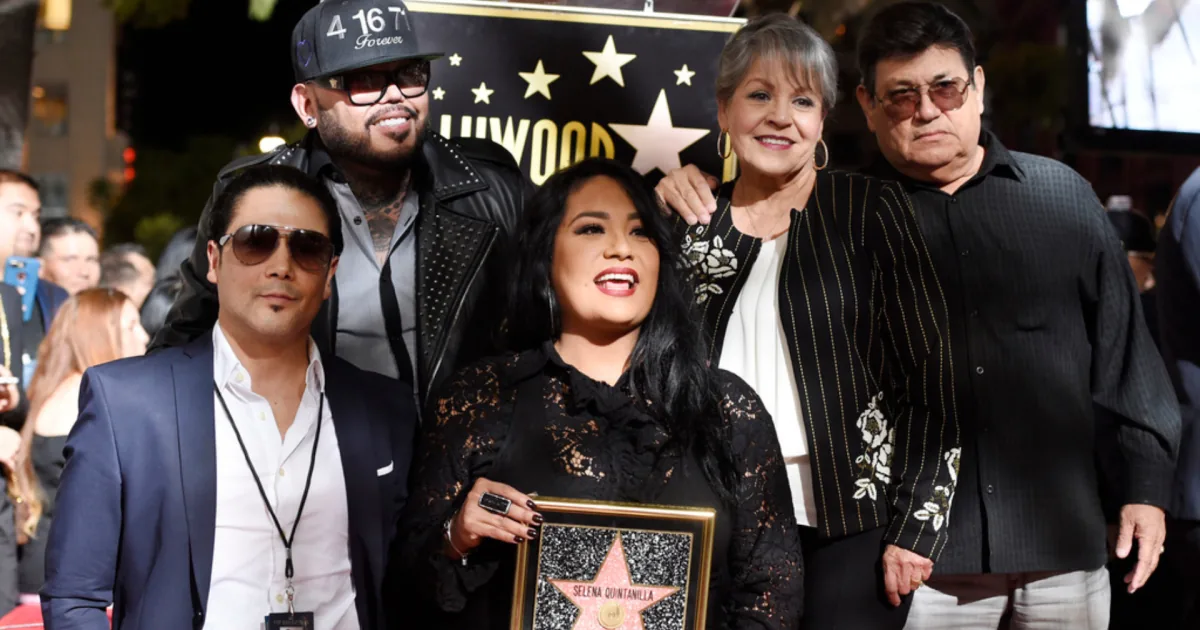
TEXAS, TX — A.B. Quintanilla, the brother of Tejano music icon Selena, has filed a lawsuit against his sister, Suzette Quintanilla Arriaga, and two companies tied to the family’s music business. The case, filed in Texas this week, centers on money generated by Selena’s name, likeness and other entertainment properties.
According to the lawsuit, Quintanilla says the family agreed after Selena’s death to divide profits from those rights in a way that gave him 25% of the net proceeds. He now claims he has not received the full amount he says he is owed.
How the family agreement is at the center of the dispute
The lawsuit says A.B. Quintanilla, Suzette Quintanilla Arriaga and other family members entered into an agreement after Selena died that controlled the management of her business interests. That arrangement covered rights connected to the singer’s image and entertainment value, which can include licensing and related revenue streams.
Quintanilla’s complaint argues that the agreement gave him a specific share of profits, and that the companies involved did not honor that share fully. The dispute is now over both how much money was generated and how that money was divided among the family members involved in the arrangement.
Selena’s legacy remains one of the most recognizable in Latin music, which helps explain why her business rights continue to carry financial weight decades after her death. The lawsuit does not suggest any disagreement about her status as an artist; it is focused on the management of the commercial rights tied to her name.
A.B. says he uncovered the issue in 2025
In the lawsuit, A.B. Quintanilla says he learned in spring 2025 that he had not been paid everything he believed was due. He then asked for financial records so he could see how much the Selena-related properties earned and how the profits were allocated.
He alleges the defendants have not given him a complete accounting. That means, as he describes it, he still does not have a full picture of the revenue or the payments linked to the properties managed by the family companies.
The complaint presents the accounting as a key issue, since the exact money flow would determine whether the family arrangement was followed correctly. Without that information, Quintanilla says he cannot confirm the amount of unpaid profits.
More than $1 million is being sought in damages
Quintanilla is asking the court for more than $1 million. He is also seeking an accounting of Selena-related finances, payment of any money the court determines is still owed, attorney’s fees and other damages.
The lawsuit makes clear that he wants both a financial remedy and a complete review of the books. That combination suggests he is not only challenging the amount he believes has gone unpaid, but also the way the money has been tracked and distributed.
For family-owned entertainment rights, those kinds of cases can turn on paperwork, contract language and records of royalty and licensing revenue. In this case, the dispute is about whether the existing agreement was followed and whether the numbers support Quintanilla’s claim.
Selena’s legacy still shapes legal and financial battles
Selena was 23 when she was fatally shot in 1995 by Yolanda Saldívar, the former president of her fan club. Her death ended a fast-rising career, but it did not end the business interests associated with her name and image.
Those rights have continued to matter for the family because they can generate money through entertainment properties long after an artist’s lifetime. The new lawsuit shows that the financial side of Selena’s legacy remains active and contested.
That continuing value has made Selena one of the most enduring figures in American music culture. Even decades later, decisions about who controls her legacy and how profits are split can still lead to courtroom fights among the people closest to her estate and business interests.
The shadow of Yolanda Saldívar’s parole case
The lawsuit arrives as Selena’s name remains in the public conversation for reasons beyond music. Saldívar, who was convicted in the killing, remains in prison and became eligible for parole in 2025.
The Texas Board of Pardons and Paroles denied her release that year. While that decision is separate from the Quintanilla family’s legal dispute, it underscores how Selena’s story continues to surface in both legal and cultural headlines.
Between the parole issue and the new lawsuit, Selena’s legacy is still being shaped in public view. One case involves criminal history; the other involves family business rights and money tied to her enduring fame.
Chicago's music scene, one story at a time — Chicago Music Guide.