Minnesota and Wisconsin Food Shelves Overwhelmed as 1.1 Million Residents Face Loss of SNAP Benefits
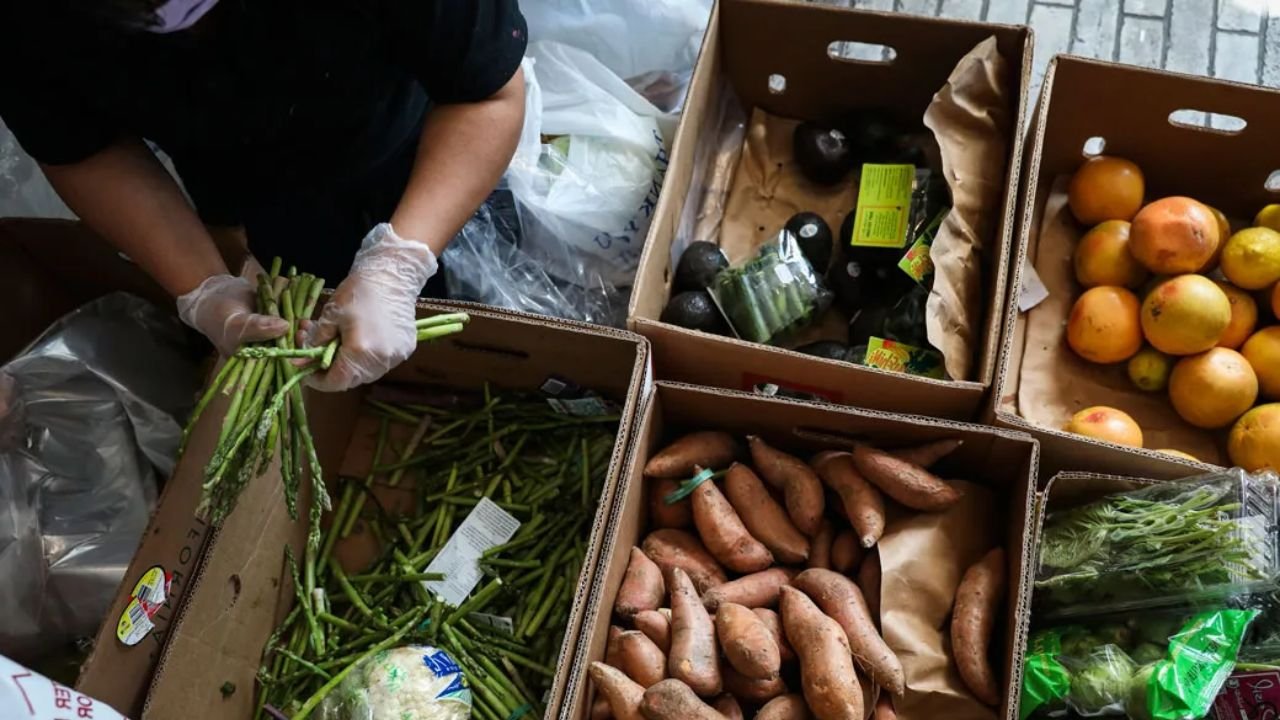
OAKDALE, MINNESOTA — As the federal government shutdown threatens to halt Supplemental Nutrition Assistance Program (SNAP) benefits, more than 1.1 million residents across Minnesota and Wisconsin are bracing for the loss of critical food support — leaving already overwhelmed food banks and shelves struggling to meet demand.
The U.S. Department of Agriculture (USDA) Food and Nutrition Service has warned that if the shutdown continues, it will have “insufficient funds to pay full November SNAP benefits.” That means 42 million Americans nationwide, including hundreds of thousands across the Midwest, could see benefits cut off within days.
Millions at Risk Across the Upper Midwest
In Minnesota, about 440,000 residents — nearly 8% of the population — rely on SNAP. Across the border in Wisconsin, nearly 700,000 people, or 12% of residents, depend on assistance through the state’s FoodShare program.
Local food organizations are already seeing sharp increases in demand, mirroring the early days of the pandemic when hunger surged across the region.
At Open Cupboard’s Today’s Harvest in Oakdale, volunteers are serving 450 to 600 people daily, according to Executive Director Jessica Francis, who also serves on the board of the St. Croix Valley Food Bank.
“It has felt like it felt at the beginning of the pandemic,” Francis said. “We’re seeing more families who are either furloughed or still working but not getting paid — and now, with SNAP funding in jeopardy, our system is bending to the point of breaking.”
Food Shelves Say They Can’t Fill the Gap
Francis warned that food banks simply cannot replace the scope of SNAP’s impact, calling the potential funding lapse “catastrophic.”
“We provide one meal for every nine meals that SNAP provides,” she said. “If SNAP goes away, our system can’t possibly absorb that.”
Wisconsin’s limited food shelf hours compared to Minnesota’s are also causing cross-state traffic, with many Wisconsin residents traveling to Minnesota pantries for assistance.
“We don’t have the ability to increase 30%, but we’re going to try,” Francis said, noting that donations and volunteers will be vital in the coming weeks.
Governors and Advocates Call for Federal Action
Wisconsin Governor Tony Evers told reporters he is exploring ways to help residents but emphasized that federal intervention is essential.
“We’ll do what we can, but we need the federal government to do their job,” Evers said. “I can’t do it by myself.”
Local food organizations are now urging residents to donate money or volunteer to support growing needs, as shelves anticipate a possible 30% surge in demand.
With SNAP funding uncertainty looming, food advocates warn that the Midwest’s hunger relief network is facing its most critical test in years. For updates on hunger relief efforts and federal aid developments in Minnesota and Wisconsin, visit ChicagoMusicGuide.com.