Wisconsin Prison Crisis: Advocates Say Closing 1800s-Era Facilities Isn’t Enough Without Real Investment in People and Reform
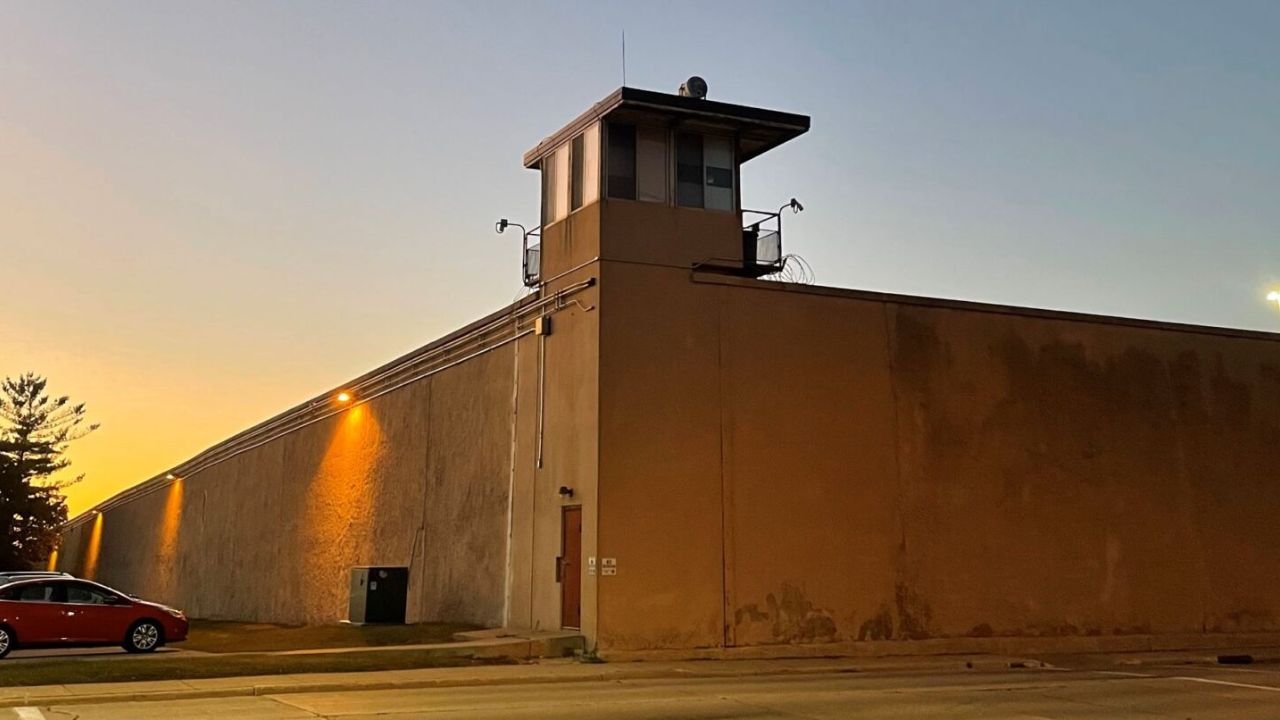
WISCONSIN — When a prison built in the 1800s is still housing people in 2025 with crumbling infrastructure and inhumane conditions, one thing becomes clear — the system is broken.
Wisconsin’s prisons have been in crisis for decades. This year, Governor Tony Evers took the first small step toward change, earning bipartisan approval to overhaul the state’s aging correctional system — including plans to close the Green Bay and Waupun prisons and launch a $15 million modernization project over the next four years.
While the plan offers a glimmer of progress, advocates say it lacks urgency and fails to address the root causes of over-incarceration that continue to plague the state.
A Crisis Years in the Making
Built in 1898, the Green Bay Correctional Facility is one of the oldest in the country — a facility meant for a 19th-century population that has now ballooned far beyond capacity.
“I spent part of my incarceration inside Green Bay Correctional Facility,” one former inmate and reform advocate shared. “The air was heavy, the walls cracked, and every winter felt like punishment on top of punishment. These conditions don’t rehabilitate anyone — they destroy hope.”
Wisconsin’s prison system was designed to hold around 17,000 inmates statewide. Yet, for years, it has held more than 22,000, according to state data. The result is a cycle of overcrowding, burnout among correctional staff, and widespread neglect of mental health and reentry programs.
Punishment Over Preparation
The problem isn’t just physical decay — it’s philosophical. The state’s justice system has long prioritized punishment over preparation.
“The best way to make Wisconsin safer is not by adding beds — it’s by getting people ready to come home, not locking them away longer,” said one reform advocate leading the state’s Smart Justice campaign.
Programs under the Federal First Step Act and CARES Act Home Confinement have already proven that early release and reentry investment lower recidivism while improving safety both inside and outside prison walls.
Truth in Sentencing: The Barrier to Second Chances
One of Wisconsin’s toughest obstacles to real reform remains its Truth in Sentencing law, which eliminated parole and early release options years ago.
This policy, experts argue, has kept thousands behind bars longer than necessary, draining public funds and leaving families broken. Without the incentive or hope that parole once offered, incarcerated individuals are denied the chance to prove growth or rehabilitation.
The Numbers Tell the Story
According to the Prison Policy Initiative, Wisconsin imprisons 663 people per 100,000 residents — nearly double Illinois (341) and almost four times Minnesota (173).
For two decades, the state’s prison population has hovered between 21,000 and 23,000 people, with little sign of meaningful reduction. Even more alarming: nearly 40% of new admissions each year are due to probation or parole revocations, not new crimes.
That means around 5,000 people a year are sent back for technical violations such as missing curfew, failing a drug test, or losing housing.
A System of Disparity
Wisconsin also holds the worst racial disparity rate in the nation. Black residents are incarcerated at 11 times the rate of white residents, according to the Sentencing Project.
“Reducing beds without changing policy is like draining a bathtub while the faucet is still running,” the reform advocate explained. “Until we reform supervision and expand community-based support, we’re not solving the problem — we’re just repainting it.”
Reform Must Be About People, Not Buildings
Closing prisons built in the 1800s is an overdue move, but true reform requires urgency and human focus. Wisconsin needs to:
- Reduce incarceration through decarceration and early release
- Expand mental health and housing programs for reentry
- End excessive revocations for non-criminal probation violations
- Invest in community-based prevention and rehabilitation
Gov. Evers was right when he said, “We’ve got to get this damned thing done.” But as reform advocates argue, getting it done means more than moving money — it means moving with purpose.
The Path Forward
Wisconsin’s motto is Forward. If that is to mean anything, the next administration must be judged not by how many facilities it renovates, but by how many lives it restores.
Real reform is not about bricks or barbed wire — it’s about human potential.
Do you believe Wisconsin’s justice system needs real reform?
Join the conversation and share your thoughts at ChicagoMusicGuide.com, where community stories, advocacy, and change meet.