Michigan Man Charged After Allegedly Using Counterfeit $100 Bills to Buy Pizza and Keep the Change
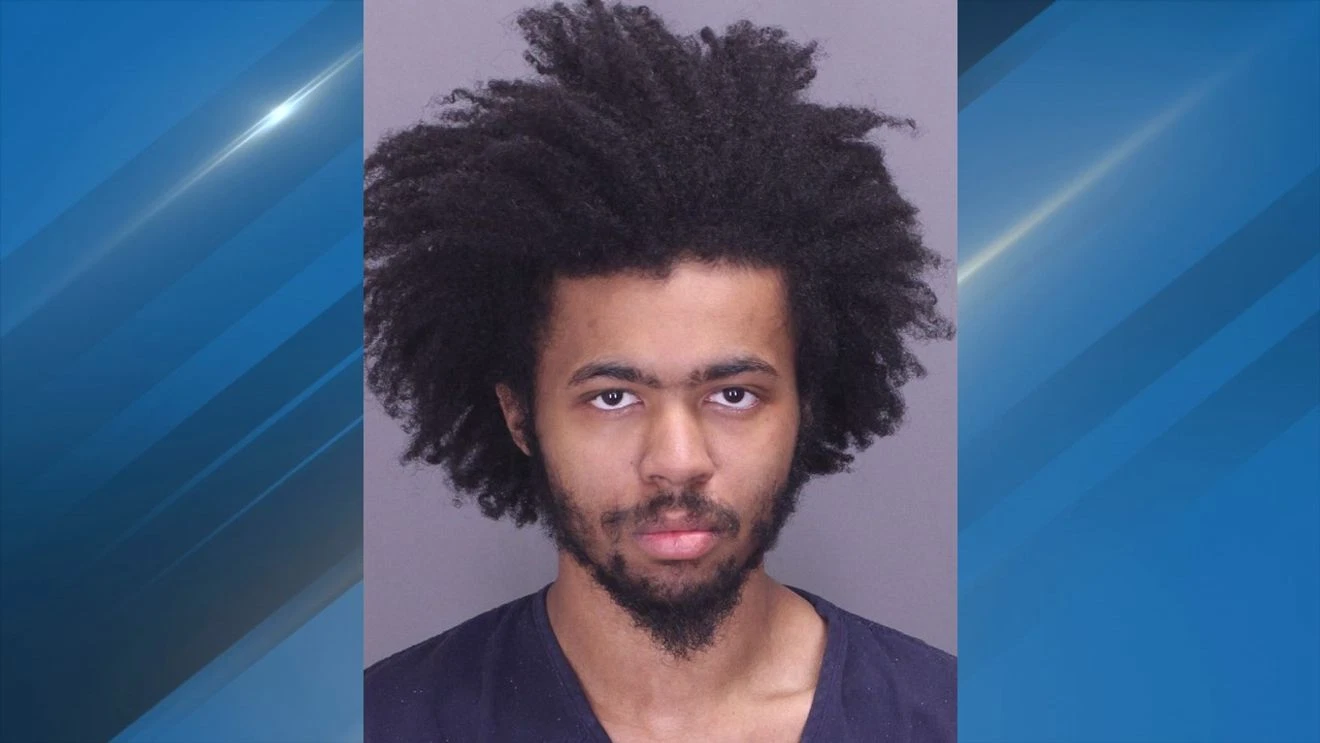
INKSTER, MICHIGAN — A 21-year-old man from Inkster is facing felony charges in Oakland County after authorities say he used counterfeit $100 bills to pay for pizza orders, collected the change, and then never retrieved the food.
According to investigators, the suspect placed several delivery orders from local pizza shops, allegedly paying each time with fake $100 bills. After receiving his change, he failed to show up for the pickup, leaving behind unpaid orders and defrauded businesses.
Multiple Incidents Traced Across the County
Detectives with Oakland County law enforcement traced the counterfeit currency through several reported incidents involving identical fake bills. Investigators say the pattern matched multiple pizza delivery fraud cases reported across the area over recent weeks.
Police said the suspect’s actions were part of a small-scale counterfeit operation, in which he exploited food vendors by ordering low-cost meals with large fake bills and profiting from the legitimate change.
After reviewing surveillance footage, transaction reports, and interviewing affected business owners, detectives identified the 21-year-old Inkster man as the suspect.
Charges and Legal Action
Authorities confirmed that the suspect has been charged with “uttering and publishing”, a felony under Michigan law that covers the use or distribution of counterfeit or forged documents, including currency.
If convicted, he could face up to 14 years in prison, depending on the scope of the fraudulent activity and the total amount of loss sustained by the affected businesses.
Law enforcement officials have urged other restaurants and local establishments in Oakland and Wayne Counties to review their cash-handling records in case similar incidents occurred.
Officials Warn Businesses to Stay Alert
Authorities are reminding local businesses to carefully inspect cash, especially $50 and $100 bills, during late-night transactions or phone-based orders.
“Counterfeit scams like this tend to increase during the holiday season,” a police spokesperson said. “We encourage businesses to use counterfeit detection pens and to report any suspicious bills immediately.”
The investigation remains ongoing, with detectives reviewing whether the same suspect may be linked to additional counterfeit-related cases in neighboring communities.