South Carolina Mom Mocked After Admitting She Hid Anne Frank’s Death From Autistic Daughter: ‘The Infantilization Is Insane’
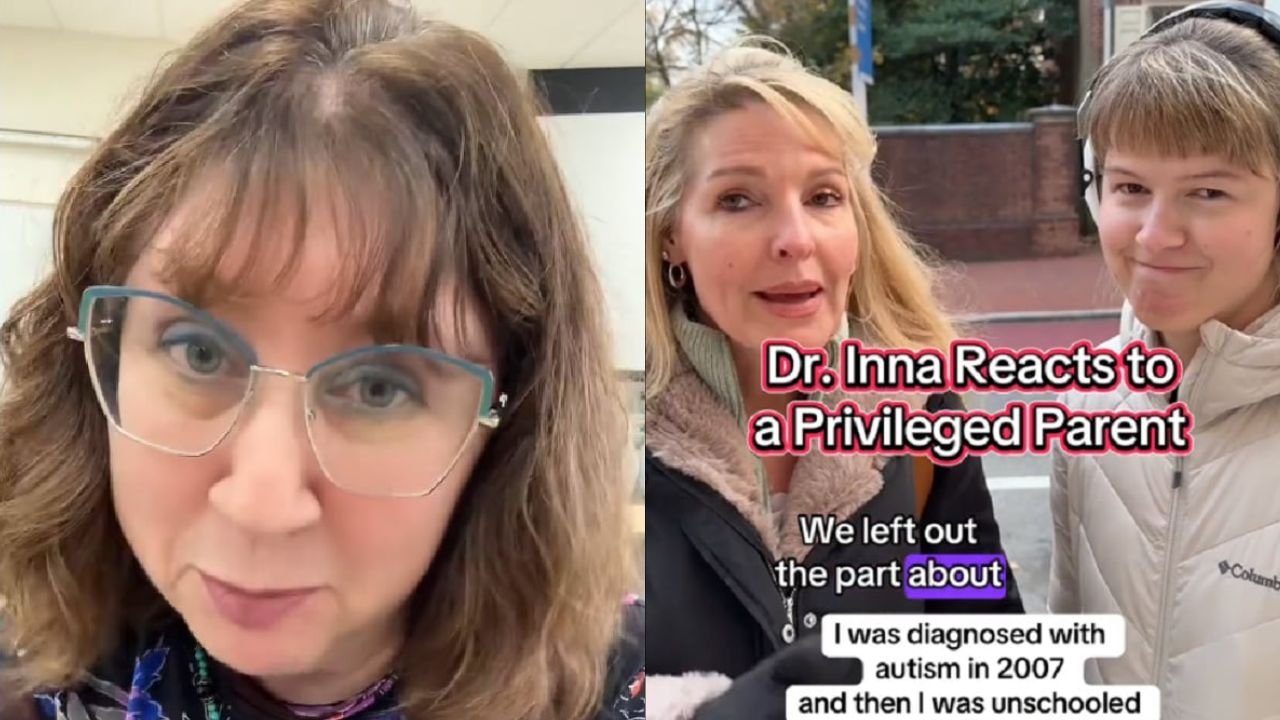
SOUTH CAROLINA – A South Carolina mother is catching serious backlash online after casually admitting she hid the truth about Anne Frank’s death from her autistic daughter — sparking accusations of privilege, historical erasure, and harmful infantilization of neurodivergent adults.
The moment went viral after Dr. Inna Kanevsky stitched a TikTok featuring Kaelynn Partlow, known from Love on the Spectrum, and her mother discussing their visit to the Holocaust Museum.
In the video, Kaelynn’s mom cheerfully explains that she “left out the part about how Anne Frank died,” as if it were a harmless detail. Kaelynn then admits:
“I thought Anne Frank survived.”
For millions watching, that wasn’t quirky — it was horrifying.
A Mother “Protecting Feelings” by Omitting a Historic Atrocity
Anne Frank’s death isn’t a footnote. It’s a central truth of the Holocaust.
She died in a Nazi concentration camp, weeks before liberation — a reality learned by middle schoolers across the U.S. But instead of helping her daughter understand, Kaelynn’s mother framed the omission as good parenting.
To justify it, she claimed:
“That’s what good mothers do — protect their children’s feelings.”
TikTok did not agree.
@dr_inna I will not be infantilizing @Kaelynn who is shown that she has the ability to comprehend all this, and who has recently responded inappropriately to criticism from autistic people of color. Perhaps the parenting by @Kaelynns_Mom is to blame for this behavior, but Kaelynn is an adult now. An adult who presents herself as an advocate and has speaking engagements all over the U.S., and yet thinks this is ok. I’ve had big feelings as a child myself, so did my kids. And I have them now. Pretending racism, antisemitism, ableism and more do not harm people isn’t the way to handle feelings.
Critics Call Out Privilege and Historical Erasure
Dr. Inna Kanevsky, who posted the critique, didn’t mince words.
She said the mother’s decision wasn’t thoughtful — it was privileged, dismissive, and disrespectful to Holocaust victims:
“This is not an amusing anecdote.”
Online commenters went even harder.
One user summed up the entire internet’s mood:
“The infantilization is insane.”
Another pointed out the implications:
“Leaving out facts doesn’t protect autistic adults, it keeps them uninformed — especially as voters.”
For many autistic creators and educators, this wasn’t about one mistake. It was a pattern — treating disabled adults as fragile children rather than capable learners.
Neurodivergent Educators Respond: “Be the Adult in the Room”
One self-identified neurodivergent teacher explained exactly what bothered them:
“I would never dream of lying to my students about history.
Be the adult in the room — show them feelings aren’t scary.”
The American Psychological Association backs this approach: children and adults with sensory or emotional sensitivities benefit from honest information paired with emotional modeling — not secrecy.
What Kaelynn’s mom framed as protection, others saw as a failure to teach resilience.
A History Lesson Becomes a National Debate
The conversation has now expanded far beyond Anne Frank. It’s about:
- How much truth parents owe neurodivergent children
- Whether “protecting” people from facts is actually harm
- How privilege shapes whose trauma gets softened
- Why Americans are so uncomfortable confronting real history
And at the center sits Kaelynn — an autistic woman whose mother publicly admitted to filtering world events through her own anxieties, instead of reality.
The Internet’s Verdict? Tell the Truth — Respectfully, Fully, and Always
Anne Frank’s story is sacred because it warns us of what happens when hate goes unchecked. Sanitizing her story helps no one.
And TikTok users didn’t hesitate to remind the South Carolina mom exactly that.
What do you think — harmless parenting or harmful ignorance disguised as protection? Drop your take and join the conversation over at Chicagomusicguide.com.