Bette Midler’s the Rose Turned Her First Movie Role Into an Oscar Nomination, a Box Office Success and a Lasting Signature Ballad for Fans
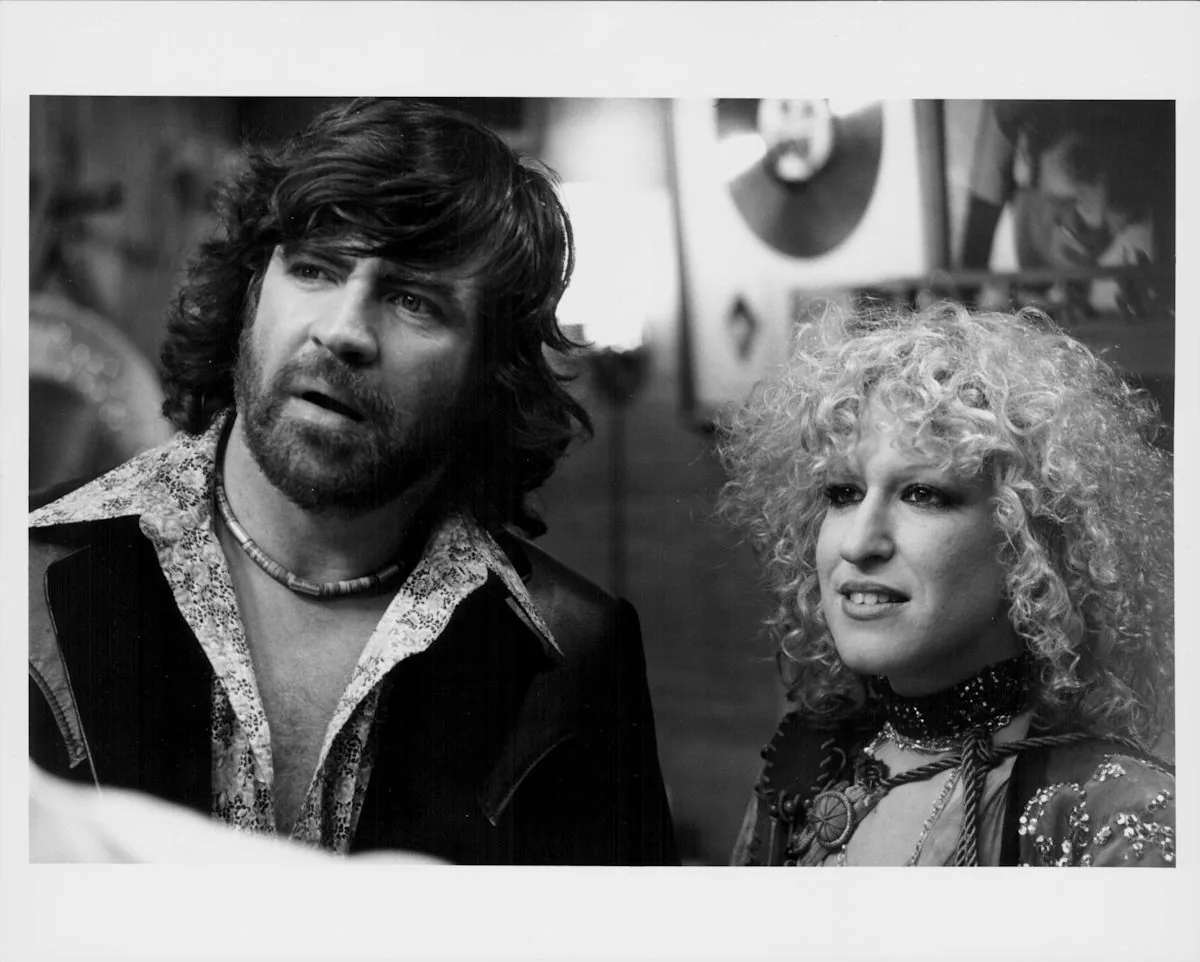
LOS ANGELES, CA — Bette Midler’s first film role made an immediate impact. In The Rose, the 1979 musical drama directed by Mark Rydell, she played Mary Rose Foster, a self-destructive rock star whose story was loosely shaped by Janis Joplin’s life and public image.
The movie became a commercial and critical success, grossing more than $29 million and collecting four Academy Award nominations. Midler’s performance brought her a nomination for Best Actress in a Leading Role, a striking result for a screen debut that also introduced one of her best-known songs.
Why The Rose still matters in Midler’s career
Before she became widely associated with movies such as BeachesFirst Wives Club and Hocus Pocus, Midler was already an established singer. The Rose gave her a chance to translate that stage presence into a dramatic role that demanded both acting and vocal power.
Decades later, the film remains one of the defining entries in her career because it showed she could carry a movie as more than a musical performer. It also helped establish her screen identity at a moment when audiences were still learning how far her talents extended beyond the recording studio and concert stage.
Billboard ranked her performance among the best by a musician on film
The movie’s reputation has held up well over time. Billboard placed Midler’s work in The Rose at No. 23 on its list of the 100 best performances by musicians in movies, praising the emotional force she brought to the role.
Writer Melinda Newman said Midler “slices open an emotional vein” in the part and delivers one of the most vulnerable performances ever captured on screen. The ranking also highlighted the dual impact of the role: the acting was memorable, but the singing helped make the film a lasting part of pop culture.
How Midler prepared to play a troubled rock star
Midler has said she drew on the harder edges of rhythm and blues to shape the character. In a 2015 interview with the Criterion Channel, she said she had listened to R&B since she was about 10 or 11 and wanted to bring the force and difficulty of those women’s lives into the performance.
She pointed to Big Mama Thornton, Nina Simone and Tina Turner as inspirations. That approach helped her create a character who felt physically and emotionally lived-in, rather than like a straightforward imitation of a real person. The goal was to capture a stage presence that felt fierce, restless and deeply vulnerable.
The physical work behind the character’s stage presence
Midler also trained intensively on the movement side of the role before filming began. She said she spent about six months doing gymnastics so the character would have a “crawling feeling” and a more animal-like energy onstage.
She wanted Mary Rose Foster to move with what she called a panther quality, especially when the character was on the floor. Midler said she learned somersaults and handstands, though she joked that she never made it to the splits. The physical preparation helped sell the chaotic, unpolished force of a rock performer in collapse.
The title song became one of Midler’s biggest hits
The Rose was not just a movie showcase. The title track became one of the biggest hits of Midler’s career and helped turn the film’s emotional tone into something audiences could carry with them after the credits rolled.
According to American Songwriter, some people involved in the film wanted a faster, more rock-driven song. Midler, however, fell for the ballad submitted by singer-songwriter Amanda McBroom, and that decision proved central to the film’s legacy. The song’s enduring popularity helped keep both the movie and Midler’s performance in circulation long after the 1979 release.
Paul Rothchild’s production and the album’s tougher edge
Paul Rothchild, who had produced Janis Joplin’s final album, Pearl, was chosen to produce the soundtrack for The Rose. Midler remembered him as “very tough” and said she did not always enjoy working with him.
Even so, she credited him with pushing her vocally and assembling a band she thought was fantastic. That pressure appears to have helped shape the soundtrack into something that matched the intensity of the film itself. The result was a project that fused a dramatic performance, a carefully built musical identity and a title song that outlived the movie’s original moment.
Chicago's music scene, one story at a time — Chicago Music Guide.