Bruce Springsteen Turns Chicago United Center Into a Marathon Protest Concert With E Street Band and Tom Morello
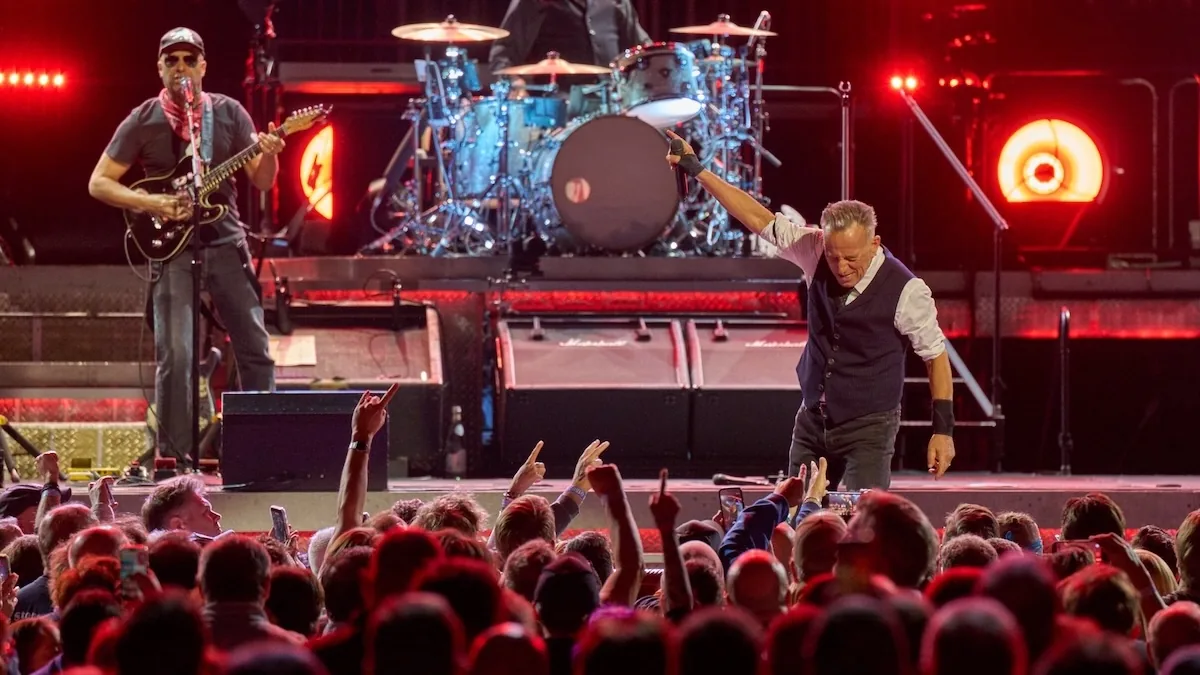
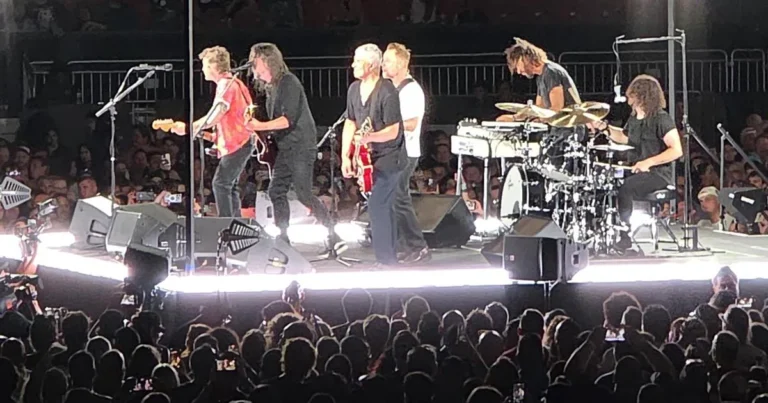
CHICAGO, IL — Bruce Springsteen packed the United Center with a lengthy Chicago performance that fused career-spanning hits with pointed political commentary and a stubbornly optimistic tone. Backed by the E Street Band and Tom Morello, he turned the night into both a rock marathon and a public statement.
The show drew from more than 10 albums and four decades of material, moving from familiar anthems to newer and more topical songs without losing momentum. Springsteen, now 76, stayed animated throughout, working the crowd with the kind of physical intensity that still defines his live reputation.
Springsteen frames the night as a defense of American ideals
Springsteen opened by telling the audience the band was there to celebrate and defend American ideals, while arguing that democracy, the Constitution and the rule of law are under pressure. He then launched into a cover of The Temptations’ “War,” setting the evening’s tone immediately.
From there, the set leaned heavily into protest material and songs with a clear social edge, including “Death to My Hometown,” “American Skin (41 Shots)” and “Long Walk Home.” Springsteen also worked in songs by The Clash, Patti Smith Group and Bob Dylan, reinforcing the show’s combative but deliberate shape.
New song Streets of Minneapolis lands with particular force
One of the night’s sharpest moments came when Springsteen played “Streets of Minneapolis,” a new song written in response to the murders of Renée Good and Alex Pretti at the hands of ICE. In a set full of older songs that still resonate, the new track brought the night into unmistakably current territory.
The reaction in the arena underscored how Springsteen’s message reached far beyond the usual protest-music crowd. The audience included older fans and families as well as longtime devotees, and many responded with raised fists and shouted support during the more confrontational passages.
The encore closes on hope, resistance and familiar singalongs
Springsteen saved a familiar rush of energy for the end, moving from “Tenth Avenue Freeze-Out” into Bob Dylan’s “Chimes of Freedom” to close the night. By then, the performance had settled into a final message of persistence rather than despair.
The encore also included “American Land,” “Born to Run” and “Dancing in the Dark,” reminding the crowd why Springsteen’s concerts still work as both communal singalongs and political theater. For fans in Chicago, the result was a show that balanced nostalgia, defiance and the kind of live charge that keeps his tours feeling urgent.
Chicago's music scene, one story at a time — Chicago Music Guide.