Chicago Aldermen Advance Parking Meter Buyback Deal With Stonepeak, Unlocking $75 Million for Pensions and a Future Share of Profits From the Contract
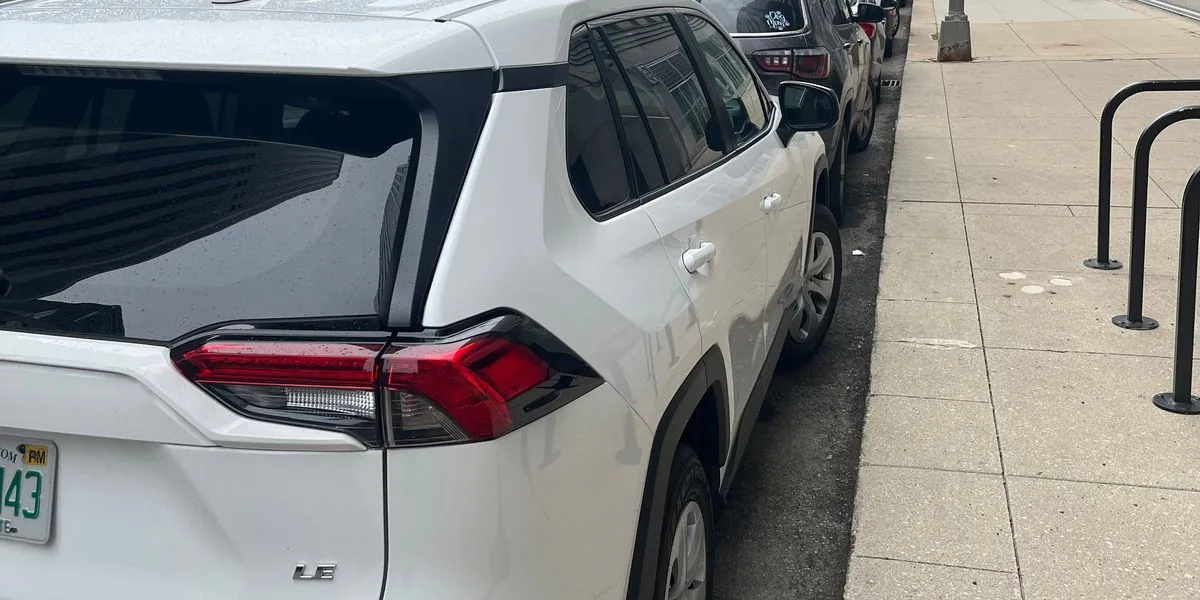
CHICAGO, IL — Chicago moved closer to rewriting one of its most criticized financial arrangements on Thursday, when a City Council committee advanced a purchase agreement tied to the city’s parking meter contract. The deal could deliver an immediate cash infusion for public worker pension funds and, for the first time, let the city share in profits from the meters.
The proposal is part of an effort to repair both the financial and reputational damage from the 2008 parking meter lease approved during the administration of former Mayor Richard M. Daley. Under that original agreement, Chicago received $900 million in exchange for leasing parking meter revenue for 75 years, and the private buyer made back that investment quickly.
Stonepeak’s revised offer would send money straight to pension funds
The agreement now before the City Council would have Stonepeak Partners buy the parking meter contract from Chicago Parking Meters LLC for $2.53 billion. City officials said Stonepeak has agreed to pay Chicago a $75 million transaction fee by the end of the year, with the money directed to the city’s underfunded public worker pension funds.
Corporation Counsel Mary Richardson-Lowry said the proposal also gives Chicago a 5% cut of net profits generated by the meters. She described that revenue as money the city has never had before. The revised structure marks a major change from Stonepeak’s original plan, which included no direct payment to the city.
Aldermen who fought the 2008 deal helped reshape this one
Support for the new arrangement came after a group of aldermen spent the summer working with the city’s Law Department to improve the terms. Among them was North Side Ald. Scott Waguespack, one of the five original no votes on the 2008 sale. He said the latest version gives Chicago a better outcome than the one that has drawn criticism for years.
Finance Committee chair Ald. Pat Dowell praised the work behind the revised agreement and called the day historic for Chicagoans. She said the city had been handed a bad deal in 2008 and had turned it into something more useful. Her comments reflected the broader push inside City Hall to turn a long-running grievance into a more favorable financial structure.
The agreement also addresses Stonepeak’s plan for Omni Air
The purchase deal goes beyond parking meters alone. It also confirms Stonepeak’s intent to sell Omni Air, a charter service that has faced scrutiny for its role in deportation flights operated for the Trump administration. That piece of the transaction adds another layer to an already closely watched agreement.
Stonepeak’s original proposal had left Chicago with nothing beyond the transfer itself. The new terms give the city a direct financial benefit while also reflecting changes in what the buyer intends to do with the broader package of assets. For aldermen weighing the deal, those additions helped make the purchase agreement more attractive than the first version.
Council members warned the timetable feels rushed again
Even with committee approval, the agreement is not finished. The full City Council must approve it by the end of the month, and opponents are expected to try to delay a vote until Tuesday’s meeting. That tight schedule drew complaints from aldermen who said it recalled the hurried process behind the 2008 sale.
Ald. Jason Ervin said the city was once again being asked to act under severe time pressure. He argued that the short window did not set the right tone or precedent for the council. His criticism underscored the lingering sensitivity around the parking meter deal and the political caution it still inspires nearly two decades later.
Waguespack says Chicago can still make the deal better
Despite the objections, Waguespack said the new agreement is a major improvement and should bring ongoing benefits to the city and its taxpayers. He framed the effort as a long-running attempt to fix a damaging contract rather than simply approve a new sale. For him, the revised terms show that Chicago can recover value from an arrangement that once seemed locked in.
Richardson-Lowry’s scheduled retirement on September 30 also gave the day added significance, since Thursday’s committee appearance was one of her final ones before the council. With the proposal now headed to the full chamber, Chicago faces a final round of debate over whether the city can finally turn a widely criticized 2008 deal into a better financial outcome.
Chicago's music scene, one story at a time — Chicago Music Guide.