Chicago Speed Camera Tickets Surged in 2025 as 50 New Cameras Helped City Collect $64.2 Million and End Three Years of Decline
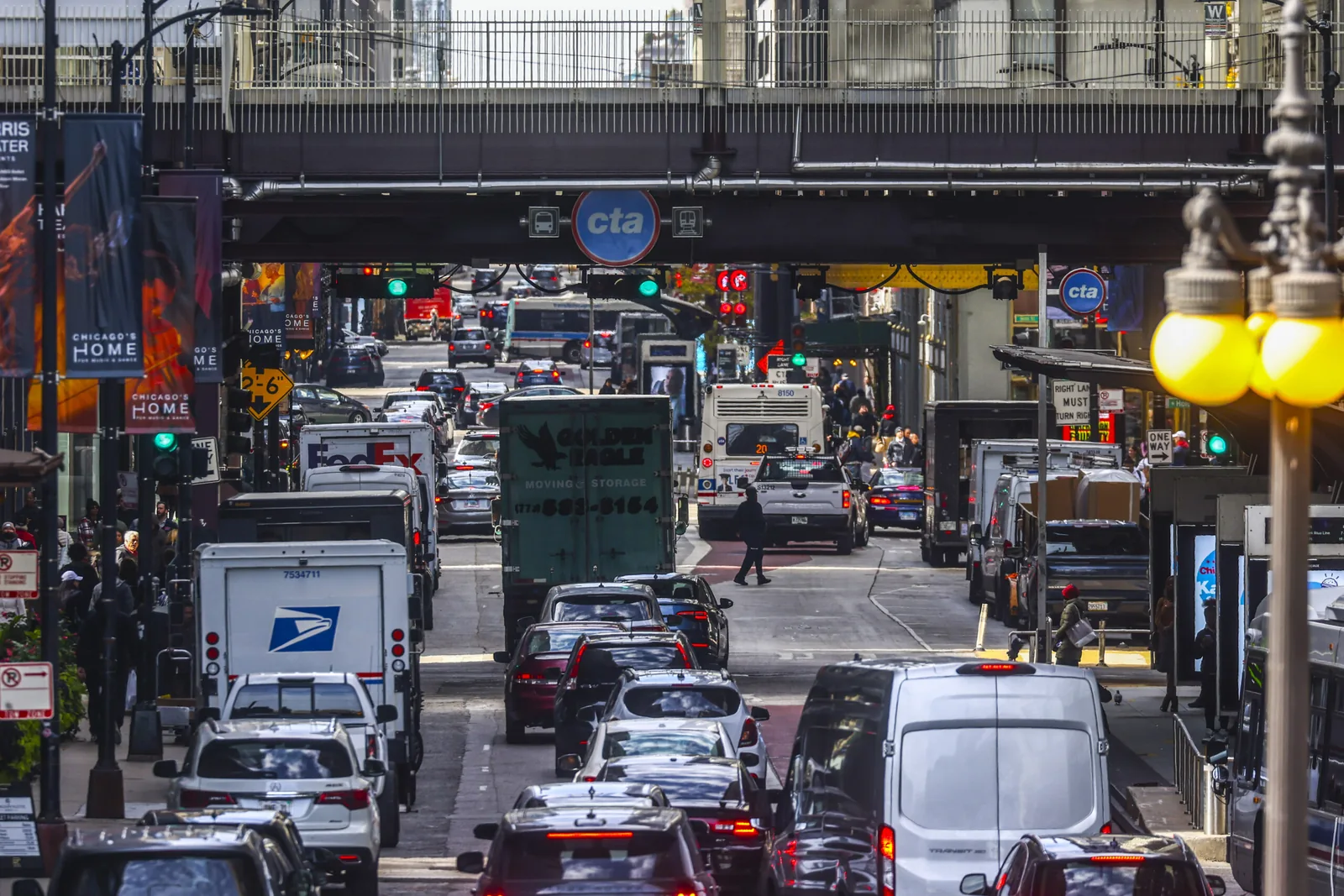
CHICAGO, IL — Chicago issued speed camera tickets at a pace of about one every 48 seconds in 2025, according to a new Illinois Policy Institute analysis. The group says the city collected $64.2 million from 653,315 tickets last year, a 25.7% jump from 2024.
The increase came after Chicago added 50 new cameras. Illinois Policy said that rollout reversed three straight years of falling ticket revenue and pushed collections up by $4.6 million compared with the year before.
Most of the money came from drivers just over the limit
The revenue mix shows how much of Chicago’s camera haul came from relatively small speeding violations. Illinois Policy said $43.2 million, or 67% of the total, came from drivers going 6 to 10 mph over the limit.
Another $21.1 million came from motorists cited for traveling at least 11 mph over. That breakdown matters because it shows the city’s camera system is generating large sums from a broad range of violations, not only from the fastest drivers.
The figures also underline how frequently the tickets were being issued. With more than 653,000 citations in a single year, the program remained one of the city’s most productive traffic enforcement tools in pure revenue terms.
The city expected the new cameras to bring in far more
Chicago had projected that the 50 additional cameras would generate another $11.4 million in 2025. Instead, the revenue increase over 2024 came to just $4.6 million, according to the Illinois Policy Institute’s review of the numbers.
That gap suggests the camera expansion boosted collections, but not as much as the city had anticipated. Even so, the added enforcement was enough to turn around the recent downward trend in ticket revenue.
The city’s forecast and the actual result show the tension that often comes with traffic-camera programs: they can be sold as safety tools, while also functioning as an important source of municipal income.
Illinois Policy argues the budget should not depend on violations
Bryce Hill, senior director of fiscal and economic research at the Illinois Policy Institute, said city leaders should not rely on people breaking traffic laws to help balance the budget. He argued that any revenue from tickets can fluctuate and should not be treated as a dependable funding stream.
Hill also said that if speed cameras truly make streets safer, then fewer tickets should be seen as a sign of success rather than a financial problem. His comments frame the debate over whether Chicago’s camera network is primarily about safety, revenue, or both.
The institute’s release presents the camera system as a budgeting issue as much as an enforcement one. That view echoes a long-running question in many cities about whether automated traffic enforcement can be separated from the money it brings in.
Johnson’s campaign promise and the city’s long-running camera revenue
Mayor Brandon Johnson campaigned on phasing out speed cameras, but Illinois Policy says he has since reversed course. The mayor’s shift puts the camera system in a broader political context, even as the financial figures continue to climb.
Since 2016, Chicago has taken in more than $630 million from speed camera tickets and issued 4,291,318 citations to motorists, according to the institute. Those totals make the program one of the most significant sources of recurring traffic-ticket revenue in the city.
The latest numbers suggest that, despite debate over their purpose, the cameras remain firmly part of Chicago’s enforcement landscape. The 2025 totals also show how quickly new equipment can affect the bottom line.
A University of Illinois Chicago study questioned the safety payoff
Illinois Policy pointed to a 2022 study by University of Illinois Chicago researchers that found “little relationship between the number of tickets issued and the safety impact of cameras.” That research is central to the broader argument over whether more citations necessarily mean safer streets.
The institute used that finding to challenge the assumption that a larger camera network automatically improves road safety. If the relationship between ticket volume and safety is weak, then higher revenue may not tell the full story about whether the cameras are achieving their stated goals.
Chicago’s latest ticket totals revive that debate because they show both a public-safety enforcement system and a major revenue stream growing together. For residents and drivers, the cameras now sit at the intersection of traffic control, city finance, and policy disagreement.
Chicago's music scene, one story at a time — Chicago Music Guide.