Duncan Sheik, Singer Behind Barely Breathing and Spring Awakening, Dies at 56 After Broadway Breakthrough and Grammy-Winning Run
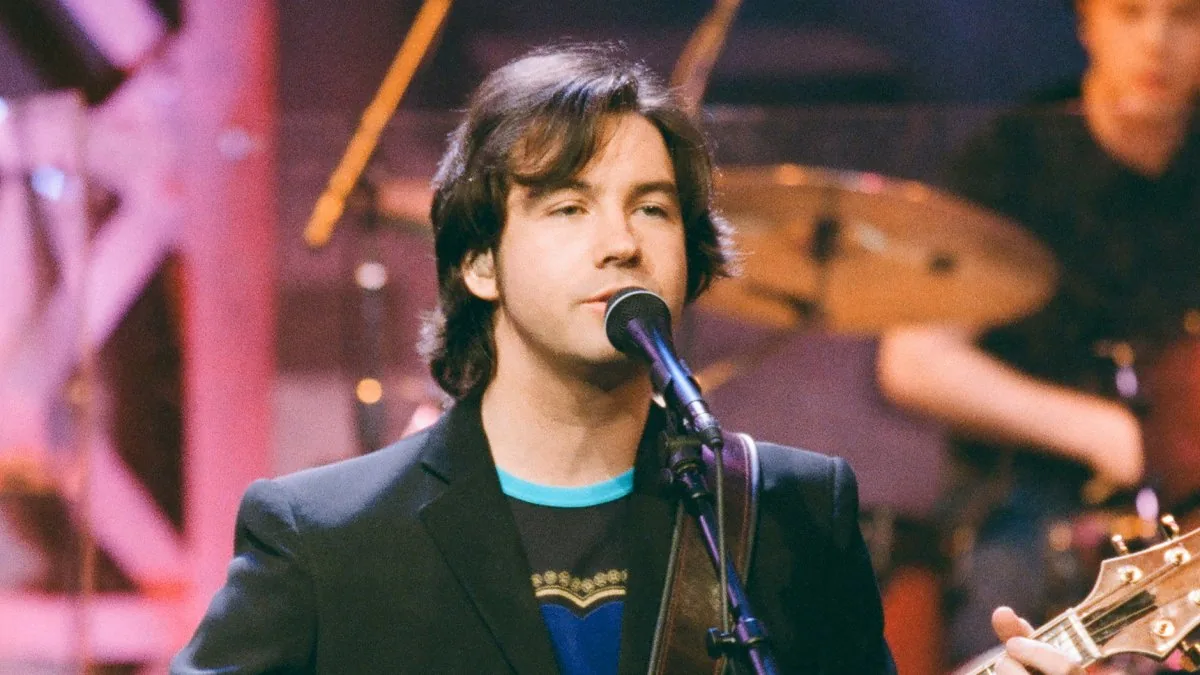
NEW YORK, NY — Duncan Sheik, the singer-songwriter who moved from a Grammy-nominated pop hit to Tony and Grammy-winning Broadway success, has died at 56. His mother, Suzanne Sheik, told The New York Times that he died Thursday from organ failure.
Sheik’s family had said just a day earlier that he was in critical but stable condition and would not be sharing further medical details. A statement posted to his Instagram account called him a singular talent whose work left a lasting mark on music and theater.
He was best known first for “Barely Breathing,” then for “Spring Awakening,” the Broadway musical that made him one of the most notable crossover artists of his era. He is survived by his daughter, Inez, whom he shared with longtime partner Nora Ariffin.
How Barely Breathing turned Sheik into a radio fixture
Before Broadway, Sheik was already a familiar name on pop radio. “Barely Breathing,” from his 1996 self-titled debut album, spent 55 weeks on the Billboard Hot 100 and peaked at No. 16. The song later gained new life through TV placements on shows such as “Glee” and “Girls.”
Sheik grew up between South Carolina and New Jersey, learned guitar as a child and received his first synthesizer at 12. He said he was shaped by artists including Talk Talk, David Sylvian and Nick Drake. Rolling Stone gave the debut album four stars and called it “a defiant debut — beautiful and benevolent of spirit.”
The track earned a Grammy nomination in 1998 for best pop vocal performance, signaling that his writing had already crossed from cult appeal into mainstream recognition. Even then, Sheik was thinking beyond radio singles and toward more ambitious storytelling.
Spring Awakening became his defining Broadway work
Sheik’s biggest theatrical breakthrough came with “Spring Awakening,” the musical that paired his music with lyrics by playwright Steven Sater. Adapted from a 19th-century play by German writer Frank Wedekind, the show explores teenage confusion with blunt themes including incest, abortion and suicide.
The production won eight Tony Awards, including best musical, and also took the Grammy for best musical show album. It ran for more than 860 performances on Broadway after opening in 2006, and a 2015 revival by Deaf West Theatre was also warmly received. An off-Broadway version is scheduled to open this fall.
Sheik once said he and Sater wanted a piece of theater that felt modern to younger listeners while still retaining its original 19th-century setting. Sater described the concept as a world where the characters “break into pop-contemporary” when they sing.
A pop songwriter who kept testing Broadway’s boundaries
Sheik did not stop with one acclaimed musical. He later worked on adaptations of Bret Easton Ellis’s “American Psycho” and Lewis Carroll’s “Alice in Wonderland,” pushing his pop sensibility into darker and more experimental theatrical spaces.
For “American Psycho,” he wrote both music and lyrics and drew on the nightlife energy of late-1980s Manhattan. One notable song, “You Are What You Wear,” was built from conversations with former girlfriends about fashion in that period. He also threaded in sly references to songs associated with Phil Collins and Huey Lewis and the News.
Sheik said writing for the stage required a different discipline than writing a pop record. A theater song, he explained, has to serve the story, the emotions of the characters and the larger narrative arc all at once.
The collaborations and ideas that shaped his theater career
Sheik and Sater met while chanting, both as practicing Buddhists, and were working on Sheik’s third album, “Phantom Moon,” when Sater mentioned a new production. Neither had written a musical before, but they decided to try, as long as the score could sound contemporary enough for people outside traditional theater circles.
That instinct helped define Sheik’s theatrical reputation. He said he wanted to bring in audiences who might not normally attend musicals, and producer Jesse Singer later called him a genius whose work brought something distinctly of its time to the stage.
He also told The Associated Press that he had no interest in treating theater music as separate from the pop world. Instead, he saw his job as building songs that could carry a story while still sounding like something listeners would want to hear on their own.
Other albums, late-career work and a lasting influence
Beyond Broadway, Sheik kept releasing albums and experimenting with form. “Whisper House,” which also became a stage piece, played at the Old Globe Theatre in San Diego in 2010 as a ghost story. “Legerdemain” explored the tension between art and commerce, and his most recent album was 2022’s “Claptrap.”
In 2016, Sheik said he felt a mission to draw people into musical theater who might not otherwise go. That outlook helped explain why his work resonated with both pop fans and theater audiences: he wrote as if the two groups should overlap, not stay separate.
“Spring Awakening” also helped launch the careers of several performers who went on to bigger fame, including Jonathan Groff, Lea Michele, John Gallagher Jr., Lilli Cooper, Jennifer Damiano, Gideon Glick, Lauren Pritchard and Krysta Rodriguez. For many fans, Sheik’s catalog remains tied to a rare ability to make Broadway feel restless, modern and emotionally immediate.
Chicago's music scene, one story at a time — Chicago Music Guide.