Federal Judge Bars Wrigley View Rooftop From Selling Cubs Game Tickets in a Ruling That Protects Chicago Team Control Over the Decades-Old Rooftop Business
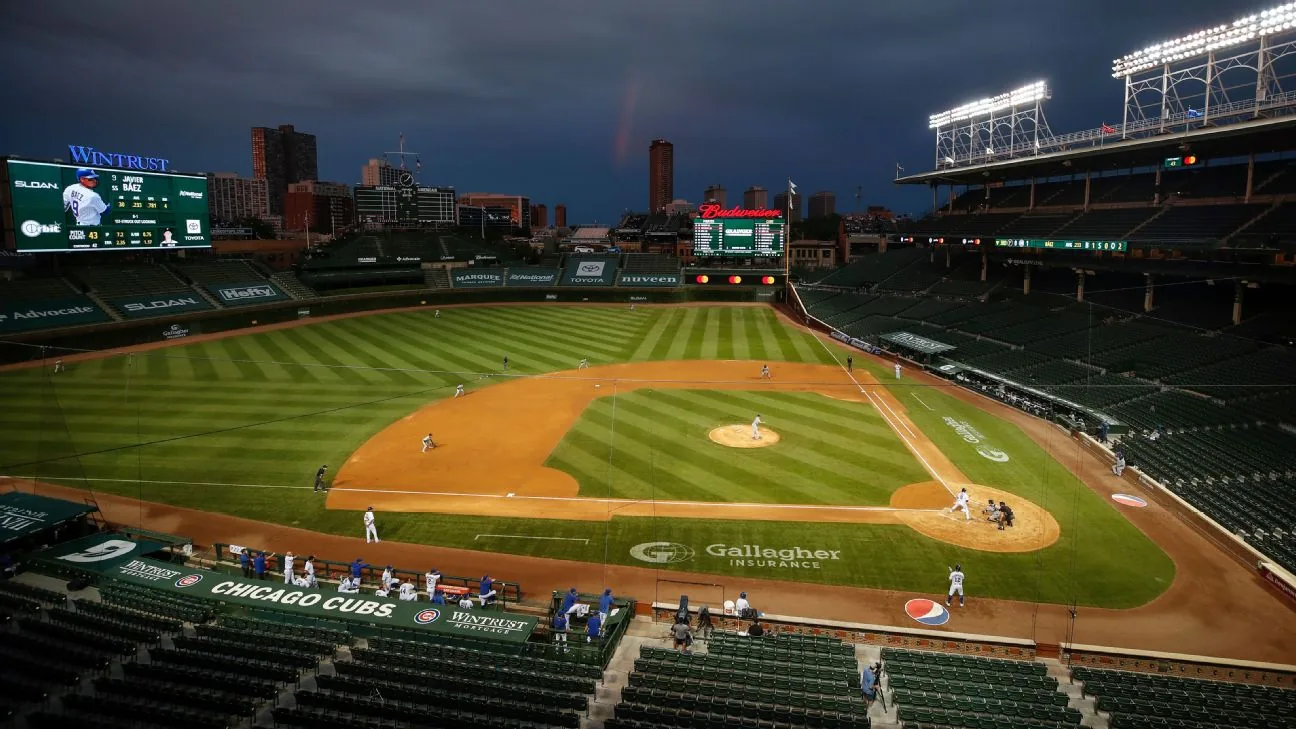
CHICAGO, IL — A federal judge has ruled that Wrigley View Rooftop cannot sell tickets that let fans watch Chicago Cubs games from across the street from Wrigley Field. The decision is a major setback for one of the last rooftop businesses that has long operated in the shadow of the ballpark’s iconic outfield walls.
U.S. District Judge Sharon Johnson Coleman said the business profited from Cubs games without paying for the right to sell that experience. The Cubs, which brought the lawsuit in 2024, said the ruling supports their long-running effort to protect their intellectual property and control commercial use of game-day views.
What Judge Sharon Johnson Coleman said about rooftop ticket sales
In her ruling, Coleman said the facts showed the rooftop owners made money from selling access to watch Cubs games without contributing financially to the games themselves or obtaining permission to sell the team’s product. She wrote that doing so was unfair and ran against basic ideas of justice and equity.
The ruling centers on whether a rooftop business can turn a game-day sightline into a commercial product without an agreement with the club. Coleman’s order says Wrigley View Rooftop may not continue ticket sales tied to Cubs games under the current arrangement.
How the fight over Wrigley rooftops has stretched across decades
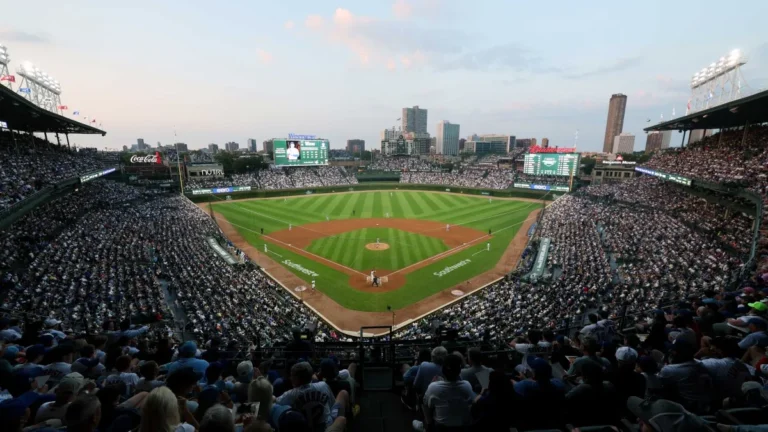
Wrigley Field sits inside a dense residential neighborhood on Chicago’s North Side, where fans have watched games from rooftops for generations. Those views have become part of the ballpark’s identity, even as they have also sparked repeated disputes between the Cubs and neighboring property owners.
Wrigley View Rooftop has been in business for about 30 years and was the last rooftop not to have reached an agreement with the Cubs or been bought by the team’s ownership group. The business sits beyond the left-field foul pole, giving it a direct angle into the stadium.
The Ricketts family strategy and the 11 rooftops it now controls
The Cubs’ owners, the Ricketts family, bought the team in 2009 and have since acquired and operated 11 rooftop buildings beyond the left- and right-field bleachers. Those rooftops sell tickets to people who want to see home games from outside the park.
That expansion has fueled a strained relationship with neighboring rooftop businesses. The Cubs have repeatedly fought over how those properties can market game-day access, while rooftop owners have argued they should be free to run their buildings without team control.
A 17% revenue deal expired before the lawsuit was filed
From 2004 through 2024, Wrigley View Rooftop operated under a revenue-sharing arrangement with the Cubs. Under that deal, the business paid 17% of its revenues to the team, a setup that allowed the rooftop to keep selling views while returning a share of the money.
When that agreement expired and no new contract was reached, the Cubs sued. That same year, the team installed translucent screens behind the third-base grandstand, partly blocking the rooftop’s view while still leaving some sightlines open.
What happens next for Wrigley View Rooftop and the Cubs
Wrigley View Rooftop now has a few possible paths forward. It can appeal the federal court ruling, try again to negotiate a revenue-sharing deal with the Cubs, or stop selling tickets for games altogether.
A lawyer for owner Aidan Dunican did not comment on the decision. The Cubs, meanwhile, said the ruling protects their rights and backs up their position that businesses cannot profit from Cubs games or use Cubs intellectual property without authorization.
Chicago's music scene, one story at a time — Chicago Music Guide.