
Indiana, Ohio and Kentucky Braced for Level 4 Severe Storm Threat as 60–80 MPH Squall Line Targets Fort Wayne, Indianapolis, Louisville and Nashville Before Arctic Blast Turns Rain to Snow
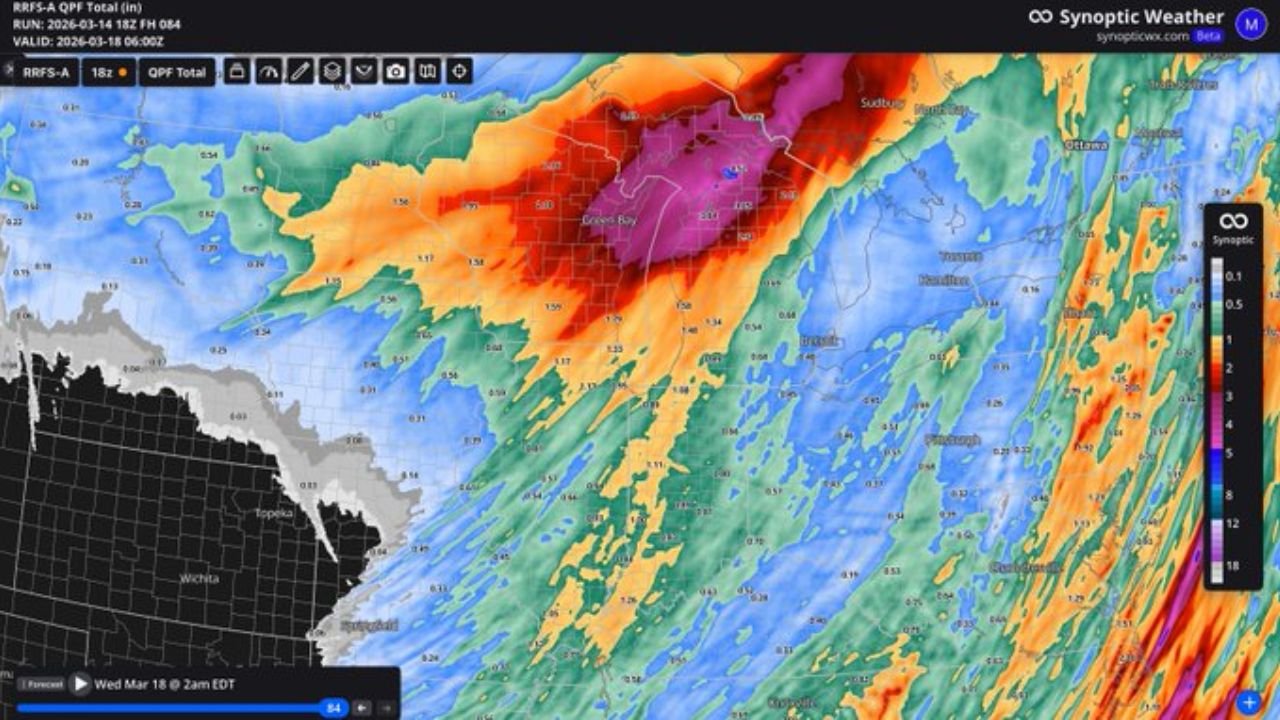
INDIANAPOLIS, INDIANA — Forecast data continues to lock in on a dangerous late-night severe weather setup Sunday across Indiana, Kentucky and Tennessee, where a powerful squall line is expected to stretch from Fort Wayne through Indianapolis down to Louisville and Nashville between 10 and 11 p.m.
Meteorologists describe the signal as unusually consistent, with model runs repeatedly placing a major wind-driven line of storms along that corridor during peak overnight hours.
Fort Wayne to Nashville in the Crosshairs
The projected storm line is expected to arc from:
- Fort Wayne, Indiana
- Indianapolis, Indiana
- Louisville, Kentucky
- Nashville, Tennessee
Communities across central and southern Indiana appear especially vulnerable, with some forecasters suggesting a Moderate Risk designation could be issued across a broader portion of the state.
The current outlook signals a Level 4 out of 5 severe threat in portions of the region.
Threats Ranked in Order
Forecasters outline the primary hazards as:
- Damaging winds of 60–80 mph
- A few tornadoes
- Lightning and heavy rain
- Minimal hail risk
The greatest concern is widespread wind damage along the leading edge of the squall line, capable of downing trees and causing power outages.
Central Indiana Could See Elevated Wind Risk
Central Indiana, including the Indianapolis metro area, may experience one of the more intense segments of the line as it races northeast late Sunday night.
Wind-driven damage swaths are possible if the system maintains structural integrity.
Fort Wayne, Indiana could see strong storms as the northern flank of the line lifts into northeast Indiana, while Louisville, Kentucky and Nashville, Tennessee remain squarely in the southern corridor of highest wind potential.
Tornado Risk Not Zero
While wind damage is the dominant threat, embedded tornadoes remain possible — especially within bowing segments or rotating pockets along the line.
These tornadoes would likely be brief but could occur with little warning given the fast-moving nature of the system.
Arctic Air Follows Behind the Line
Once the squall line clears, strong Arctic air will surge into the region Monday.
Forecast maps show:
- Temperatures plunging into the single digits and low teens
- A transition from rain to snow on the backside
- Slick spots possible Monday into Monday night
The rapid temperature drop could allow leftover moisture to freeze quickly, creating hazardous travel conditions across Indiana, Illinois, Ohio and Michigan.
Snow accumulation appears more likely north of the main severe corridor, particularly across parts of Michigan and the Upper Midwest, though lighter wraparound snow showers could extend into northern Indiana.
Dramatic 24-Hour Shift
This system represents a sharp shift from severe thunderstorm danger Sunday night to wintry cold conditions by Monday.
Residents across:
- Fort Wayne, Indiana
- Indianapolis, Indiana
- Louisville, Kentucky
- Nashville, Tennessee
should prepare for severe storms first, followed by rapidly deteriorating cold weather.
Preparation Recommendations
Given the overnight timing and Level 4 threat potential, officials advise:
- Charging electronic devices
- Keeping weather alerts active
- Securing outdoor items
- Monitoring warnings late into the night
Businesses may also need to treat surfaces Monday if freezing conditions develop quickly.
This is shaping up to be a high-impact, multi-hazard event — beginning with damaging winds and possible tornadoes, and ending with snow and Arctic cold.
Stay with ChicagoMusicGuide.com for continued updates as watches and warnings are issued Sunday evening.