Johnny Cash Made His Acting Debut on Wagon Train in 1959, Launching a Long Television Career That Later Included the Muppet Show, Columbo, and the Simpsons
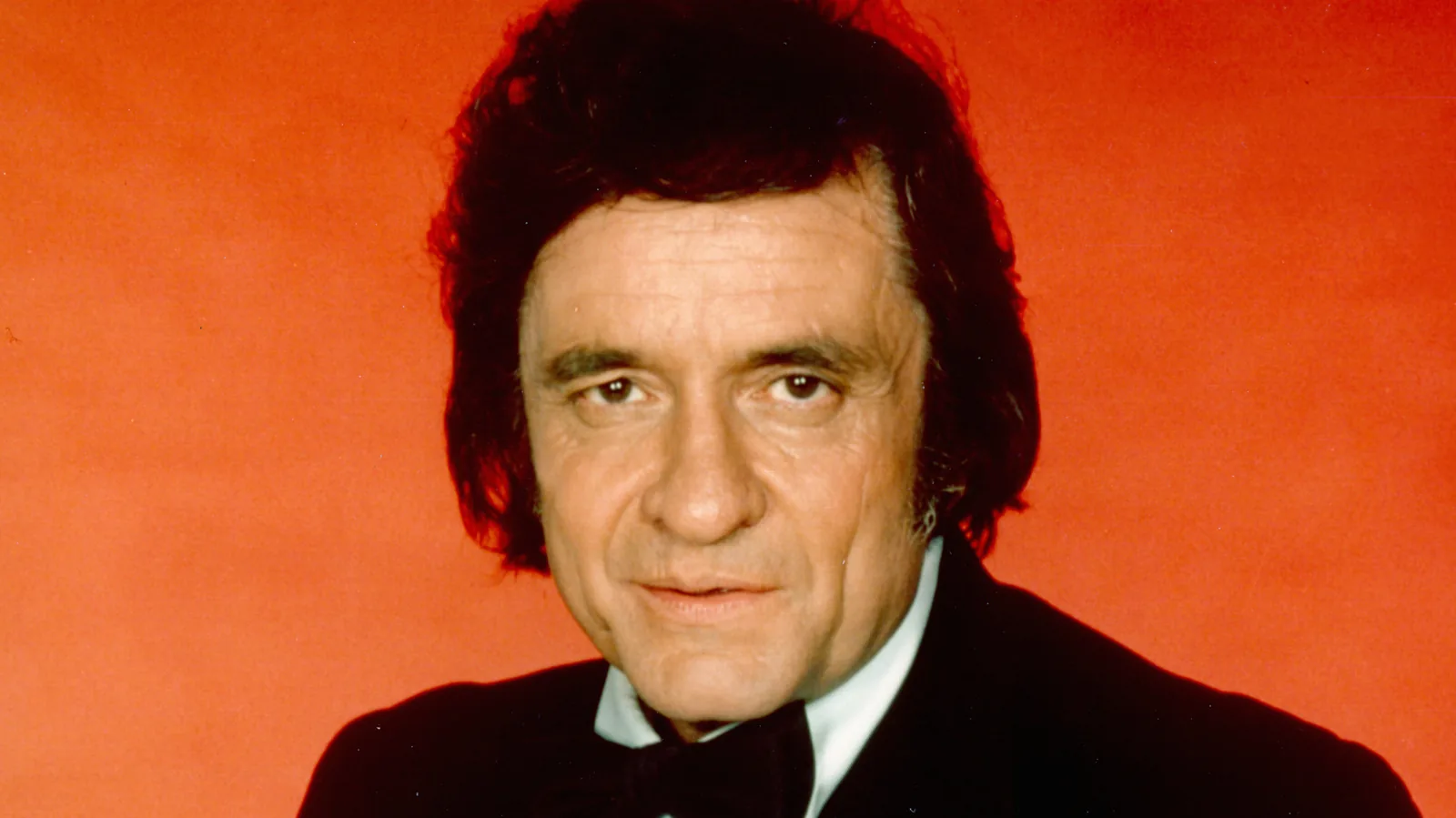
NEW YORK, NY — Johnny Cash is remembered first as one of the most influential singer-songwriters of the 20th century, but his first screen acting role arrived surprisingly early. Just two years after releasing his debut album, he stepped into television with a guest spot on the hit Western Wagon Train.
The appearance came in 1959, when Cash was still better known for his music than for his acting. Even so, the role marked the beginning of a second career path that would eventually stretch across variety shows, dramatic guest roles, TV movies, and one especially memorable animated cameo.
Why Wagon Train was such a big stage for Cash’s first role
Wagon Train was not just any Western. The NBC series premiered in 1957 and quickly became one of the era’s most watched shows, following a wagon convoy traveling from Missouri to California while meeting different people along the way.
By the time Cash appeared, the series was huge with American audiences. It was the second-biggest show in the country, and later it reached the top spot as the most watched series from 1961 to 1962. That kind of reach made even a supporting appearance meaningful for a young performer looking to expand beyond music.
The format also made room for strong guest turns, since each episode introduced new characters and situations along the trail. Cash’s role fit neatly into that structure, giving him an early acting showcase on a program already familiar to millions of viewers.
The C.L. Harding Story gave Cash a small but memorable part
Cash’s episode, titled “The C.L. Harding Story,” aired on October 14, 1959, during the third season of the series. The story centered on Celia Lucinda “C.L.” Harding, played by Claire Trevor, a reporter who travels with the wagon train and then gets involved in a women’s suffrage movement on the trail.
Cash played Frank Hoag, a married man supporting his wife, Arletta, after she joins the protest led by Harding. It was not a leading role, but it stood out because it placed him inside a dramatic TV story rather than a musical performance or a novelty cameo.
For fans, that detail matters because it shows how early producers saw him: not just as a singer who could appear on camera, but as someone who could hold a supporting dramatic scene inside a popular hour-long series.
Cash kept returning to television in both music and acting formats
After Wagon Train, Cash stayed busy on television in ways that reflected both sides of his public identity. He made many appearances as himself over the years, showing up on Saturday Night LiveThe Muppet Show, and Sesame Street.
He also fronted his own variety series, The Johnny Cash Show, which ran on ABC for two seasons from 1969 to 1971. That program gave him a platform that mixed his music with a broader television presence, reinforcing how naturally he could move between entertainment formats.
The variety-show era helped keep Cash visible to audiences who may have known him mainly from records and concerts. It also set the stage for the more dramatic screen work he continued to take on in the decades that followed.
Western roles became a major part of his screen identity
Cash did not stop at one Western guest spot. Just a month after Wagon Train, he appeared in another TV Western called Shotgun Slade, continuing the pattern of small-screen roles that leaned into his rugged, frontier-ready image.
Over time, he built a solid dramatic résumé with appearances on beloved series including Columbo and Little House on the Prairie. Those credits show that his acting career was not limited to novelty casting; he was repeatedly invited back into scripted television by shows with loyal audiences.
In the 1980s, he also starred in a television movie remake of the 1939 Western Stagecoach, sharing the screen with Willie Nelson and the late Kris Kristofferson. The same decade brought The Last Days of Frank and Jesse James, where he played Frank James opposite Kristofferson’s Jesse James.
A later Simpsons cameo became one of his most playful appearances
One of Cash’s most unexpected screen moments came in The Simpsons episode “El Viaje Misterioso de Nuestro Jomer” also known as “The Mysterious Voyage of Homer.” In the Season 8 episode, Homer hallucinates after eating Guatemalan insanity peppers and enters a surreal vision quest.
Cash voices a “Space Coyote” who guides Homer through that trip, turning up in a role that was funny, strange, and instantly memorable. For a performer already associated with Western mythology, the animated part gave him a chance to play with his own legend in a completely different setting.
He also later had a recurring role as Kid Cole on Dr. Quinn, Medicine Woman, adding another chapter to a screen career that stretched far beyond a single guest appearance. From early Westerns to animation, Cash proved he could remain recognizable while shifting between genres.
Chicago's music scene, one story at a time — Chicago Music Guide.