Kenny Chesney Rejects the Usual Country Album Cover Playbook With a Self-Shot New Hampshire Marina Sign for Silver Sands Marina, Due September 25
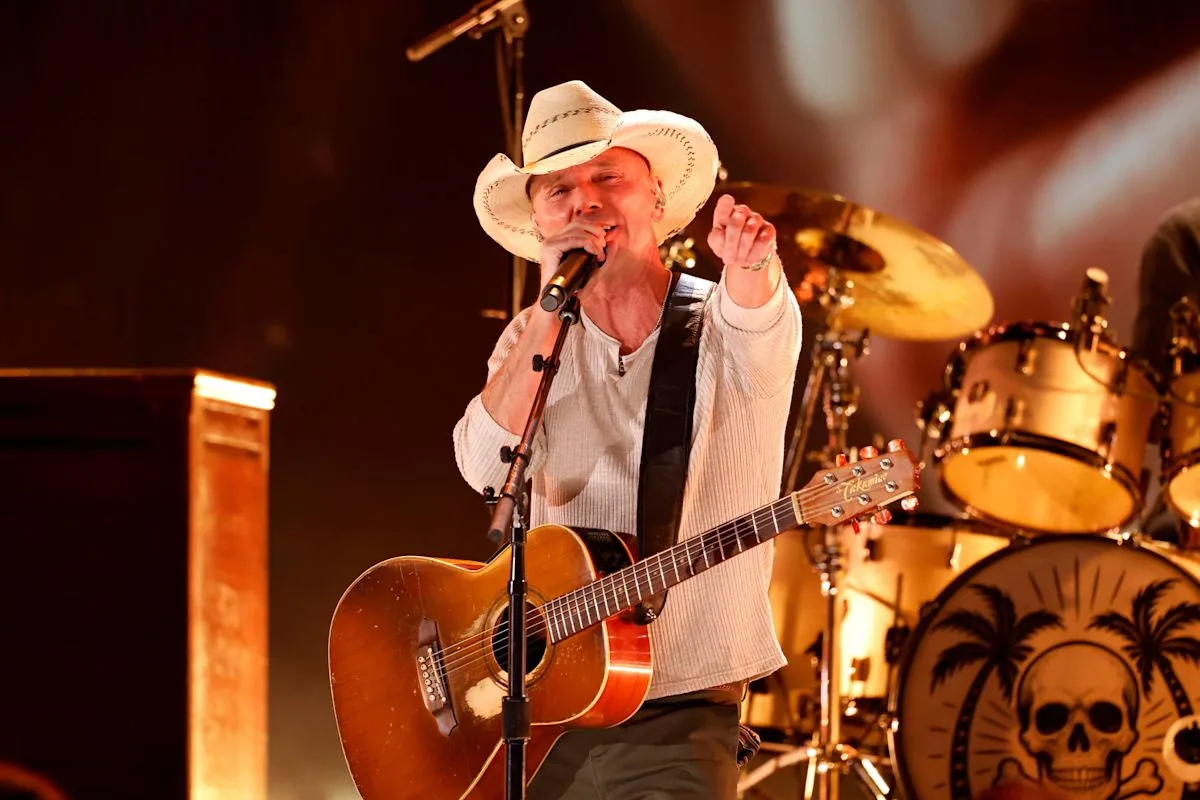
NASHVILLE, TN — Kenny Chesney is taking an unusual route for his next album, choosing not to place his face on the cover of Silver Sands Marina. Instead, the artwork shows a photograph of a New Hampshire marina sign that he says he personally took.
The album is set for release on September 25, and Chesney says the image is meant to pull listeners in with a little mystery. Rather than presenting the familiar close-up portrait that often anchors country releases, he wanted the cover to make people wonder what lies beyond that sign.
Why Chesney says he passed on the standard portrait cover
Chesney described the choice as a deliberate break from the standard marketing formula. In country music, artists often use their own faces prominently on album art, a move designed to stand out both in stores and on streaming platforms.
He acknowledged that he has used that approach before, but said he did not want the cover for this project to feel like “Come buy me.” Instead, he wanted the album to begin with an image that suggests a place and a mood before it suggests the performer behind it.
The result is a cover that is simpler than the glossy, head-on portraits many fans expect. For Chesney, that simplicity is part of the point, giving the record a less polished, more curious first impression.
The New Hampshire marina sign at the center of the artwork
The image on the cover comes from a real marina sign in New Hampshire, and Chesney says he took the photo himself. That detail matters to the story he is trying to tell, because the artwork is not a generic scenic shot or a staged promotional image.
By using the sign rather than a posed portrait, Chesney shifts attention to place. The cover invites fans to think about a location instead of immediately locking onto a celebrity image, which is a noticeable departure from the way many mainstream country albums are packaged.
It also reinforces the title Silver Sands Marina, making the album art feel tied directly to the record’s identity. The sign serves as both a literal object and a visual clue about the setting behind the songs.
How the album title track connects to social media criticism
Chesney says the visual choice is linked to the themes of the album’s title track. That song, he explained, pushes back against modern social media habits and the pressure to document every moment.
According to Chesney, the track points to a world of “fake intimacy,” where people trade real connection for online approval. He framed the song as a warning about how likes, comments, and constant posting can crowd out something more authentic.
The cover and the song work together in that message. By leaving his own face off the album art, Chesney is echoing the idea that a meaningful moment does not need to be turned into a performance for an audience.
A song about real life without the pressure to post everything
Chesney said the title track is about two people sharing a raw, real-life moment in an actual place. In his view, that kind of experience does not need to be interrupted by the need to photograph it, upload it, or explain it in public.
That idea gives the album a different emotional frame than a typical promotional cycle. Instead of leaning on celebrity image, Chesney is asking listeners to focus on the feeling inside the music and the human connection at its center.
He appears to be drawing a line between lived experience and online display. For fans, that makes the album cover more than a design decision; it becomes a visual extension of the record’s message.
What the cover choice says about Chesney’s place in country music
Chesney’s decision stands out because it cuts against a long-running commercial habit in country music. A close-up artist portrait is often used as a fast way to build recognition, especially for major releases aimed at a wide audience.
As a Country Music Hall of Fame member, Chesney already has a name strong enough to carry an album without putting his face front and center. That status gives him room to make a choice that feels more artistic than promotional.
For fans, the move may signal that Silver Sands Marina is built around atmosphere and message as much as around star power. In that sense, the cover is doing exactly what Chesney wanted: making people look twice and think about what is behind the sign.
Parade publication put the album news in front of fans
The album-cover details were highlighted by Parade, which published the story on September 18, 2026 in its Celebs section. The timing came just a week before the scheduled release of Silver Sands Marina.
Chesney’s comments were shared in an interview with Cody Alan on SiriusXM’s The Highway, giving fans a direct explanation for why he chose a New Hampshire marina sign over the more familiar artist portrait. The conversation helped frame the cover as a creative statement rather than a simple design switch.
Chicago's music scene, one story at a time — Chicago Music Guide.