Mighty Sparrow, the Calypso Legend Admired by Bob Dylan and Colin Powell, Dies at 91 After a Brief Illness in New York
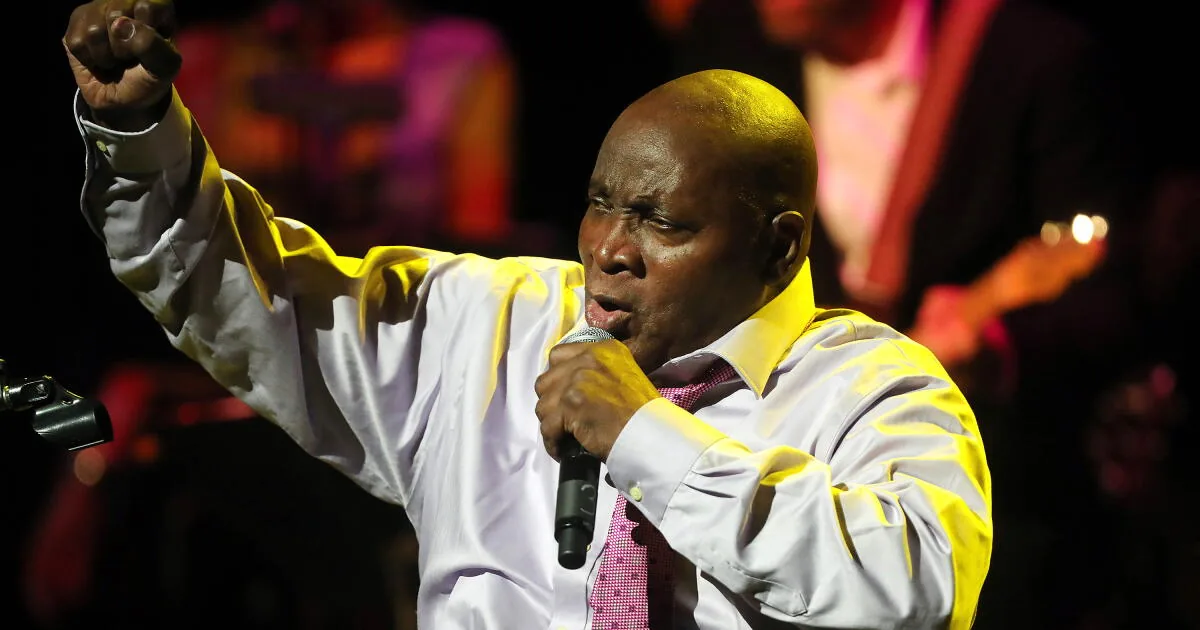
NEW YORK, NY — Slinger Francisco, the towering calypso singer better known as the Mighty Sparrow, died Sunday in New York at 91 after a brief illness, according to his daughter, Karen Francisco.
His death closes the life of a performer who was widely treated as one of calypso’s defining voices. Francisco, often called the “King of Calypso,” was praised not only for his singing but for his songwriting, wit and influence as a mentor to later artists.
From Grenada to Trinidad to New York, Sparrow built a life around calypso
Francisco was born July 9, 1935, in Grand Roy, Grenada, and moved with his family to Trinidad when he was 1 year old. In the 1960s, he relocated to New York City, where he lived for the rest of his life.
That path helped shape a career that crossed islands, generations and music scenes. The move to New York did not slow his output; it gave him a new base for a long career that would eventually produce more than 500 songs and more than 70 albums.
Fans knew him by more than one name, including Birdie, another nickname used in tributes after his death. However he was addressed, the stature was the same: a performer whose work remained central to Caribbean music and to the broader story of calypso in the 20th century.
Hits, albums and a catalog that kept growing for decades
Sparrow’s recorded catalog was both large and durable. Among his best-known songs were “Mr. Walker,” “Obeah Wedding,” “Congo Man,” “Phillip, My Dear,” “The Slave” and “Saltfish.”
He also recorded “Only a Fool Breaks His Own Heart” with Jamaican musician Byron Lee. That song became a hit in the United Kingdom and the Netherlands, spent 27 weeks on the charts and peaked at No. 2 in 1978.
The size of his output mattered because it showed how much ground he covered as an artist. With more than 70 albums behind him, Sparrow was not just a classic name from calypso’s past; he remained part of the living soundtrack for listeners who followed Caribbean music across years and borders.
Why fellow musicians and admirers treated him like a giant
Tributes after his death emphasized the same qualities: skill, control, personality and range. Ainsley King, president of the Trinbago Unified Calypsonians’ Organisation, said Sparrow’s contributions could not be measured by awards, titles or recordings alone.
King said Sparrow gave voice to Caribbean humor, struggle, politics, relationships, social realities and everyday life through his music. He also pointed to the singer’s delivery, stage presence and sharp writing as standards that later calypsonians still study.
The organization represents more than 600 calypso artists, and its praise underscored how deeply Sparrow’s influence reached into the genre. In King’s view, Sparrow was not simply successful; he helped define what calypso could do as storytelling and social commentary.
Bob Dylan and Colin Powell were among the famous fans who kept praising him
Sparrow’s audience extended well beyond the Caribbean. Among his admirers were Bob Dylan and the late Gen. Colin Powell, two high-profile names who each singled out his artistry in striking terms.
Powell referred to Sparrow as the “Mount Olympus of Calypso,” a phrase that captured the almost mythic place he held in the eyes of listeners. Dylan was just as enthusiastic when he wrote about him in the notes to the 1985 “Biograph” box set.
Dylan called Sparrow “the king” and praised his intelligence, verbal battles and live shows, describing performances that felt like prize fights backed by a hard-driving band. For fans, those comments only reinforced what calypso followers already knew: Sparrow had a reach that crossed musical worlds.
A legacy measured in voice, humor and influence across generations
Francisco’s daughter said he died peacefully surrounded by family, and that detail matched the image many people had of him in later life: an elder artist remembered with affection as much as respect. He was also a husband, father, grandfather, great-grandfather, life partner and friend.
That personal language mattered because Sparrow’s legend was built not just on records but on presence. His songs captured humor, conflict and community, while his performances and writing gave younger artists a model for how calypso could entertain and still speak to real life.
As tributes make clear, his name belongs in the center of calypso history. The body of work he left behind — from charting songs to decades of albums — ensures that the Mighty Sparrow’s voice remains part of the genre’s defining memory.
Chicago's music scene, one story at a time — Chicago Music Guide.