Rush’s Chicago Reunion With Drummer Anika Nilles Turns a Sold-Out United Center Run Into a Moving Celebration for Fans
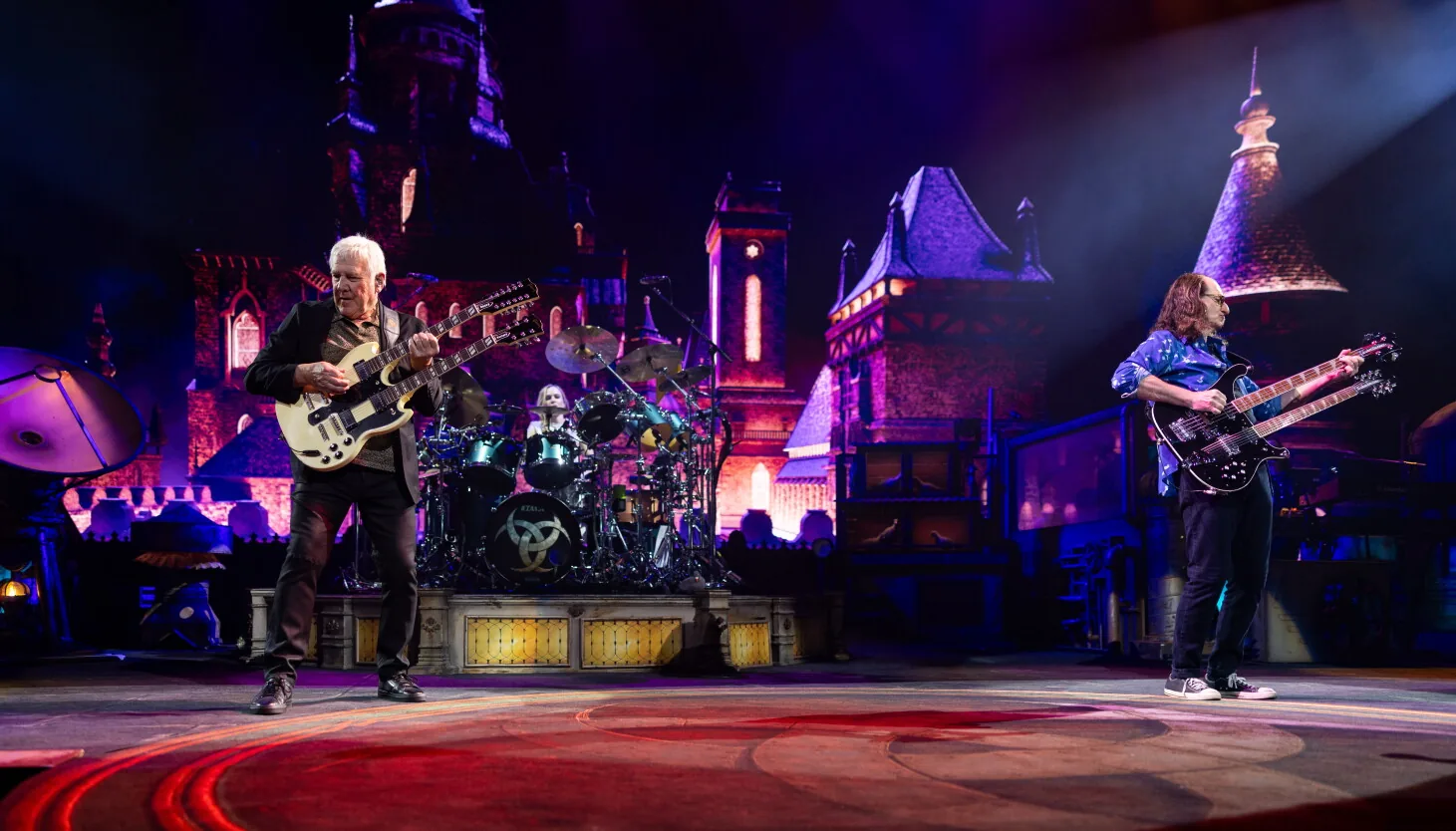
CHICAGO, IL — Rush’s first of four sold-out nights at the United Center felt less like a comeback gamble than a communal release. With German drummer Anika Nilles stepping into a role long defined by Neil Peart, the band met a famously exacting fan base with a performance that was both muscular and deeply affectionate.
The result was a show that honored Rush’s past without treating it like a museum piece. From the opening rush of “Xanadu” to the final roar of “Working Man,” the trio’s revamped lineup played with the energy of a group thrilled to be back together.
Anika Nilles wins over Rush devotees with precision and personality
Nilles arrived in a pressure-cooker environment: a rock audience protective of one of the genre’s most revered drummers. But the jazz-trained, Germany-born percussionist quickly proved she was not there to merely imitate Peart’s parts.
On technically demanding songs like “YYZ,” she delivered the speed, force and accuracy fans expected, while also bringing her own spark to the material. Her work on “The Spirit of Radio” and the “2112” suite drew loud approval, and the crowd responded with the kind of air-drumming enthusiasm usually reserved for beloved originals.
Rush’s core duo, Geddy Lee and Alex Lifeson, looked energized by the fit. Their smiles, the review suggested, never left their faces for long.
The set balanced old thrills with a tribute to Neil Peart’s legacy
The emotional center of the night remained Peart, whose death in 2020 ended Rush’s previous era and changed the meaning of any future performance. The band’s Fifty Something tour, blessed by Peart’s family, has become a traveling salute to his life as much as a reunion for the group’s fans.
Video clips, photos and comedic bits helped weave Peart’s presence through the show, while songs such as “Time Stand Still” and “The Garden” carried extra emotional weight. Lee’s vocals sounded strong despite recent bronchitis and rough air quality from Canadian wildfire smoke, and he gave especially affecting performances on “Bravado,” “Freewill” and “Red Sector A.”
What the Chicago show suggests about Rush’s future on this tour
There was still plenty of flash and fire left in the music. Lifeson’s guitar work on songs like “Limelight” and “Subdivisions” remained expressive and adventurous, while Lee’s bass kept the band’s signature complexity humming underneath.
By the time the group reached “Tom Sawyer,” the room had shifted from anticipation to celebration. The review left open the possibility that this lineup could do more than revisit the catalog: it could also inspire new music, giving longtime fans a reason to hope the story is not over yet.
Chicago's music scene, one story at a time — Chicago Music Guide.