Victor Willis, the Village People’s Original Voice Behind YMCA and Macho Man, Dies at 74 After Illness That Ended the Disco Icon’s Long Run
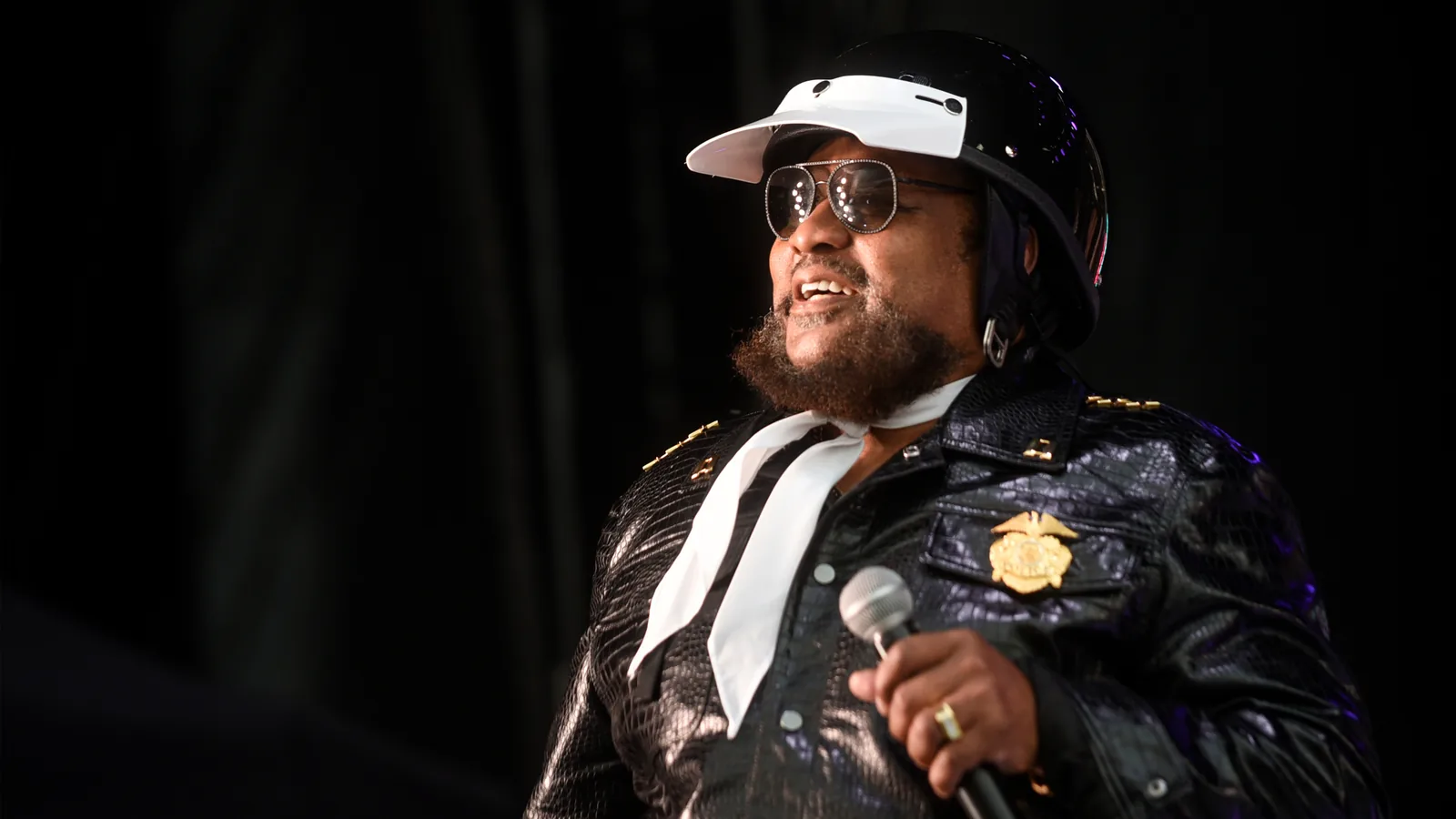
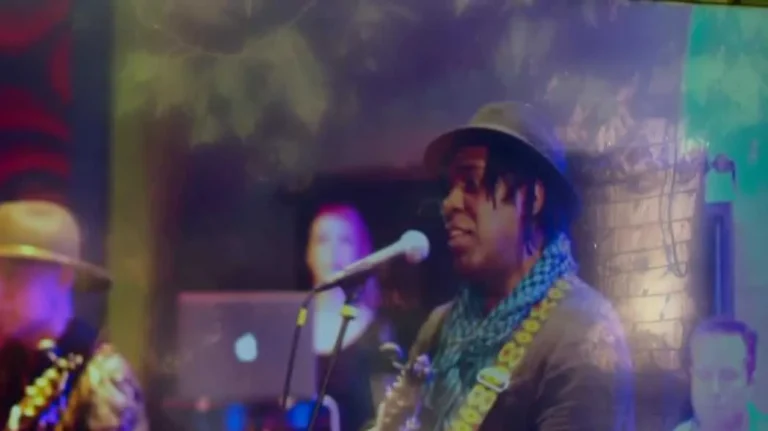
LOS ANGELES, CA — Victor Willis, the lead singer who helped make the Village People a global pop fixture, has died at 74. The group announced his death in a social media post, and his wife later said he died after a “short, but aggressive” illness.
The Village People became known for its theatrical costumes and a string of era-defining songs, especially “YMCA,” “In the Navy” and “Macho Man.” Willis was one of the faces and voices most closely associated with that success, and the news quickly drew attention far beyond disco nostalgia.
His family asked for privacy while they grieve. The loss closes another chapter in the story of a performer whose work kept surfacing in American culture long after the original disco boom faded.
How a Texas gospel singer became the frontman for a disco phenomenon
Willis was born in Texas in 1951 and grew up singing gospel music in church, where his father served as a Baptist minister. That background is a striking contrast to the flamboyant, club-ready image that later defined the Village People.
In 1977, he joined with producers Jacques Morali and Henri Belolo to build the group. Willis took on the “Cop/Admiral” persona, part of the larger character-based concept that made the act instantly recognizable on television, album covers and stage.
The Village People’s appeal came not only from the songs but also from the visual idea behind them. Willis became one of the key figures in turning that formula into a durable pop brand that reached listeners well beyond disco’s core audience.
YMCA kept growing long after its 1978 release
“Y.M.C.A.” arrived in 1978 as the lead single from the Village People’s “Cruisin’” album, and it went on to become the group’s best-known song. Decades later, the track still turns up at weddings, birthday parties, bar mitzvahs and sporting events.
That lasting presence was acknowledged when the Library of Congress added the song to the National Recording Registry in March 2020. Willis said at the time that he had no idea it would become one of the most iconic songs in the world.
He also said he was glad the Village People’s music had made people smile for more than 40 years. “Y.M.C.A.” later earned another milestone in 2021 when it was inducted into the Grammy Hall of Fame, confirming its place in American pop history.
Willis left the Village People and later returned for good
Although Willis became the voice most closely tied to the group, his path with the Village People was not continuous. He left and came back several times over the years, reflecting a career that shifted along with the band’s changing fortunes.
He ultimately returned for good in 2017, restoring a familiar voice to the act’s lineup. That return mattered to longtime fans who associated his delivery with the songs that made the group famous in the first place.
The Village People’s staying power has always rested on a mix of nostalgia, camp and sheer singalong familiarity. Willis remained central to that identity, even as the group’s hits lived on in a much different music landscape than the one that first created them.
Trump’s use of YMCA kept the song in political headlines
One reason “Y.M.C.A.” never disappeared from public conversation was Donald Trump’s repeated use of it at rallies and events. In a statement Wednesday, Trump mourned Willis and said the song had become a “monster” hit again after being used at his appearances.
The relationship between the Village People and Trump was complicated. The group initially asked him to stop using their songs, including “Y.M.C.A.” and “Macho Man,” at rallies. Later, they supported the use of the music and even performed at Trump’s victory rally on the eve of his second inauguration in January 2025.
That long afterlife gave Willis a level of visibility few disco-era singers can claim. His voice remained attached to a song that repeatedly escaped its original era and re-entered national life through sports, parties and campaign events.
Family, marriages and the private life behind the stage persona
Beyond the stage image, Willis had a personal life that included two marriages. He was previously married to actor Phylicia Rashad from 1978 to 1982.
He married again in 2007 and is survived by his wife, Karen Huff-Willis, who is described as an entertainment executive and attorney. Her statement made clear that the family is asking for privacy after his death.
For fans, Willis will remain tied to some of the most instantly recognizable songs of the late 1970s and beyond. For his family, the moment is more immediate and far more personal, centered on a sudden illness and a difficult loss.
Chicago's music scene, one story at a time — Chicago Music Guide.