Mike Ditka, the Hall of Fame Chicago Bears Coach Who Helped Define the 1985 Super Bowl Champions, Dies at 86 After Decades as a Football Icon
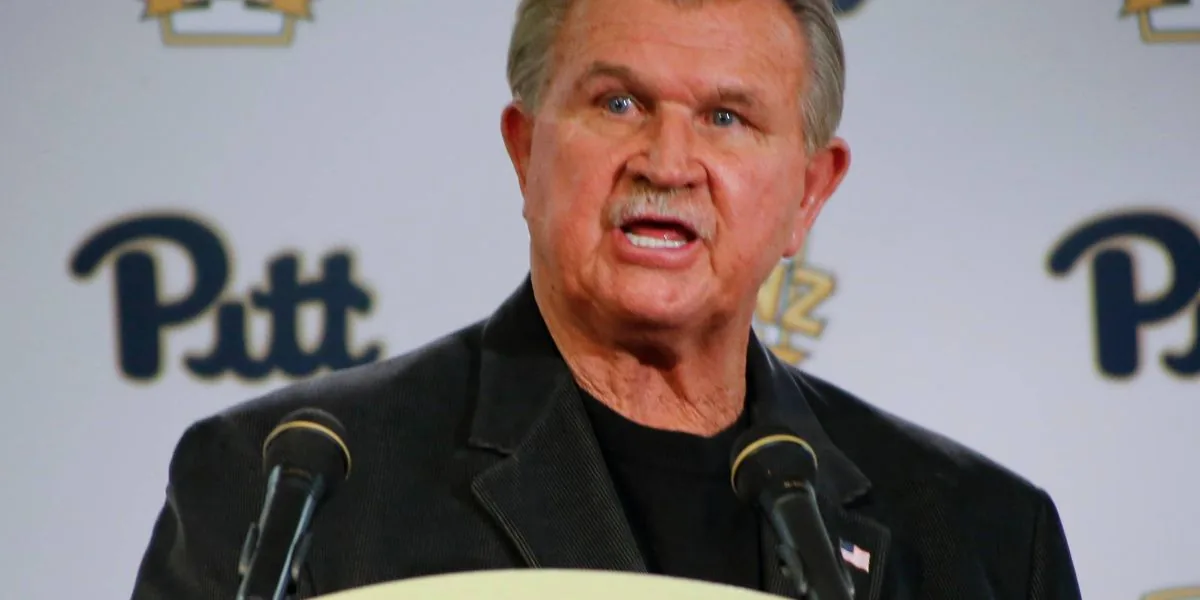
CHICAGO, IL — Mike Ditka, the hard-charging Hall of Famer who became synonymous with the Chicago Bears as both a player and coach, has died at 86. His family announced the news Friday and described him as a husband, father, grandfather and friend whose presence shaped their lives as much as his football legacy shaped the sport.
Ditka was one of the most recognizable figures in Chicago sports, a man whose reputation for bluntness matched the bruising style that made him famous. To generations of Bears fans, he was “Iron Mike” on the field and “Da Coach” on the sideline, the leader most closely tied to the team’s Super Bowl XX title and the swagger of that unforgettable 1985 squad.
From Carnegie and Aliquippa to the top of the NFL
Ditka’s path to football stardom began in western Pennsylvania, where he was born in Carnegie and grew up in nearby Aliquippa. His father worked as a welder and changed the family name from Dyczko, and Ditka emerged as a gifted three-sport athlete who went on to become an All-American at Pitt.
The nickname “Iron Mike” fit early. Ditka was known for a physical, punishing approach that carried him from college into the pros, where the Bears selected him fifth overall in the 1961 draft. He responded with Rookie of the Year honors, multiple Pro Bowl selections and a key role in Chicago’s 1963 NFL championship season.
His playing career also helped reshape the tight end position. Alongside Baltimore’s John Mackey, Ditka changed the way teams thought about the role, combining blocking power with the ability to catch short passes, break tackles and turn routine plays into long gains.
A coach who returned to Chicago as a hero
After leaving Chicago in 1966 and spending brief time with Philadelphia and Dallas, Ditka shifted to coaching in 1973 as an assistant under Tom Landry. He spent eight seasons with the Cowboys before returning to the Bears in 1982, where he was greeted like a savior.
That return launched 10 turbulent years that included five straight NFC Central titles, the 1985 championship run and a long list of off-field controversies and locker-room conflicts. Among them were a DUI conviction, a heart attack and a feud with defensive coordinator Buddy Ryan that became part of Bears lore.
Still, Ditka’s intensity gave the team a clear identity. Hall of Fame linebacker Mike Singletary later recalled that Ditka told the room Chicago would reach the Super Bowl within three years, even if many players would not still be around by then. The prediction came true in 1985.
The 1985 Bears, Super Bowl Shuffle and a team with character
The 1985 Bears became one of the most dominant and colorful teams in NFL history. Their defense was feared across the league, and the roster was packed with big personalities who treated the season almost like a stage show as much as a football campaign.
That attitude spilled into “The Super Bowl Shuffle,” the rap-style video the players recorded before the title game. Three months later, the Bears backed up the bravado with a 46-10 demolition of the New England Patriots in the Super Bowl.
Ditka later joked about the team’s chaos and charm, saying it was full of “characters that had character” playing for “a crazy man.” Even so, the players clearly trusted him. Quarterback Jim McMahon once described him as having shifting moods, but said the team understood and accepted that side of their coach.
Life after coaching brought restaurants, TV and ESPN
When Ditka’s coaching days ended, he found a second career that kept him in the public eye. He became a restaurateur, pitchman and television personality, and he also appeared as himself on sitcoms including “Cheers” and “Third Rock from the Sun.”
His screen credits extended to shows such as “L.A. Law” and “Saturday Night Live,” and he remained a familiar face to football fans through his work as an analyst and game-day personality at ESPN. By then, his voice, his mustache and his no-nonsense manner had become part of the larger sports-pop-culture landscape.
Ditka also stayed active in the sport through advocacy. He pushed for better medical and retirement benefits for former players, using his stature to press for changes that affected men whose careers often ended long before their bodies stopped paying the price.
A legacy that stretched far beyond the sideline
The Bears continued to honor Ditka’s place in franchise history long after his coaching years ended. In 2013, the team said during a ceremony that his No. 89 jersey would be the last number retired by the organization, a sign of just how deeply he had been woven into the club’s identity.
His honors also reflected a career that touched nearly every level of football history. Ditka was enshrined in both the College and Pro Football Halls of Fame, a rare distinction that matched the scale of his impact as a player and coach.
He remained a public figure even outside sports, with his name surfacing for years in Illinois political circles. Though he never ran for office, he described himself as a staunch conservative and was at one point mentioned as a possible Republican candidate, including for a congressional race against Barack Obama for the U.S. Senate.
Chicago's music scene, one story at a time — Chicago Music Guide.