Chippewa County Board Urges Wisconsin to Boost SNAP Funding Ahead of Federal Cuts
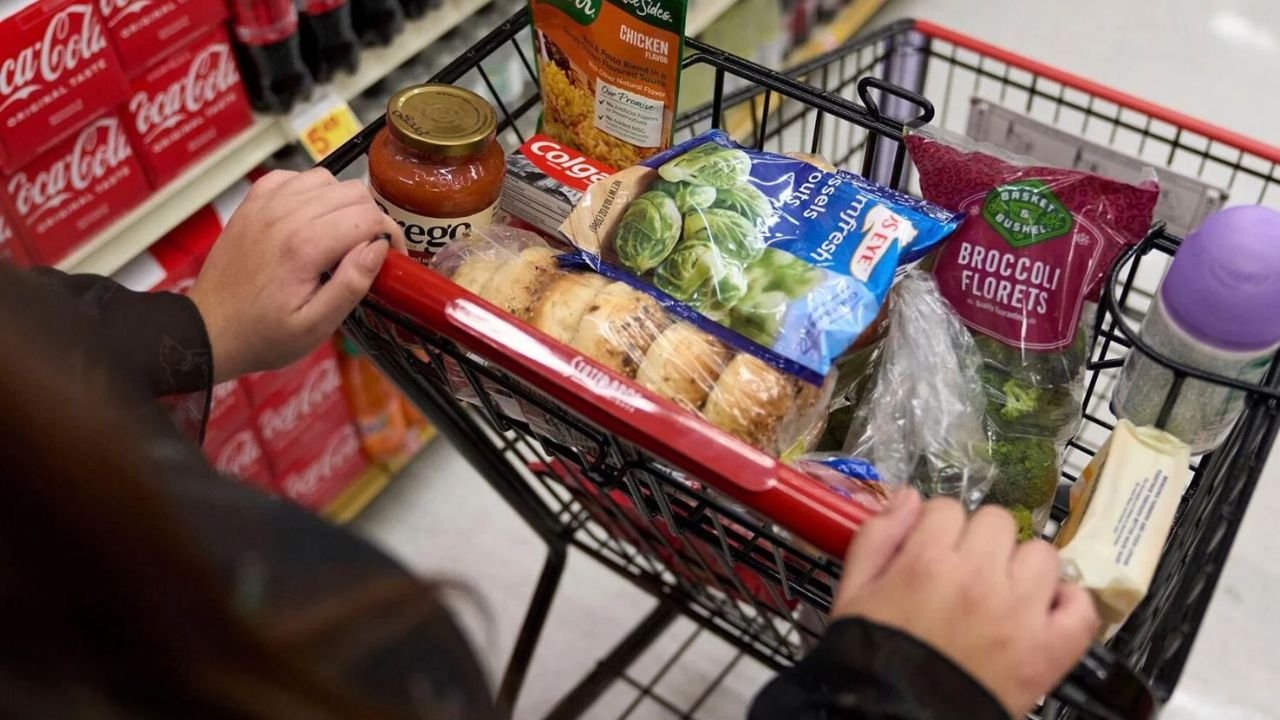
CHIPPEWA COUNTY, WISCONSIN — The Chippewa County Board is calling on the State of Wisconsin to increase its share of Supplemental Nutrition Assistance Program (SNAP) funding as counties brace for federal cost-sharing cuts that could impact both budgets and benefit recipients.
During a Tuesday night meeting, board members unanimously passed a resolution asking the state to step in and help cover anticipated shortfalls caused by upcoming federal changes to the SNAP program’s administrative funding formula.
Federal Changes Shift Financial Burden to States and Counties
Under President Donald Trump’s “One Big Beautiful Bill” (OBBB), the federal administrative match rate for SNAP is being reduced from 50% to 25%, shifting 75% of administrative costs to state governments.
This change, expected to take effect in 2027, will significantly increase the financial burden on local counties that help administer the program.
“With local levy limits, we would not have the funding, so we are asking the state to help contribute to those costs so they are not filtered down to the county,” said Beth Nyhus, Chippewa County’s Department of Human Services economic support manager.
According to Nyhus, Chippewa County could face $233,931 in additional local tax levy costs if the state does not step in to offset the funding shift.
Staffing and Service Concerns
Nyhus warned that without additional state assistance, counties may be forced to reduce staff, which could directly impact service delivery for SNAP recipients.
“These costs will be passed on to the counties, putting additional strain on already tight budgets,” she said. “This could result in reduced staffing, which would certainly impact the customer experience in waiting for eligibility determinations as well.”
Reduced staffing could increase workloads for remaining employees, raising the likelihood of higher error rates in processing SNAP benefits — an issue that could trigger federal penalties.
Currently, Wisconsin maintains a 4.4% error rate, but if it rises above 6%, counties could face penalties ranging from 5% to 15% of total SNAP costs.
“It could have a significant impact on the local budget,” Nyhus added.
Growing Statewide Support
Chippewa County is not alone in its concerns. At least 13 other Wisconsin counties have already adopted similar resolutions urging the state legislature to boost SNAP funding before the federal changes take effect.
County leaders say the issue affects both fiscal stability and food security for vulnerable families, especially in rural regions where SNAP participation remains high.
“If we don’t secure state funding now,” Nyhus said, “we risk both financial penalties and slower service to the people who need these benefits the most.”
The resolution will be forwarded to state lawmakers and the Wisconsin Department of Health Services, which oversees SNAP administration statewide. County officials say they hope the state will act before the new cost-sharing structure is implemented.
For continued coverage of Wisconsin’s public assistance programs and local government action, visit ChicagoMusicGuide.com.