Chicago Festival Season Fills Millennium Park and Neighborhood Streets With Jazz, House Music, Food Markets, and Autumn Arts Events Across the City in 2026
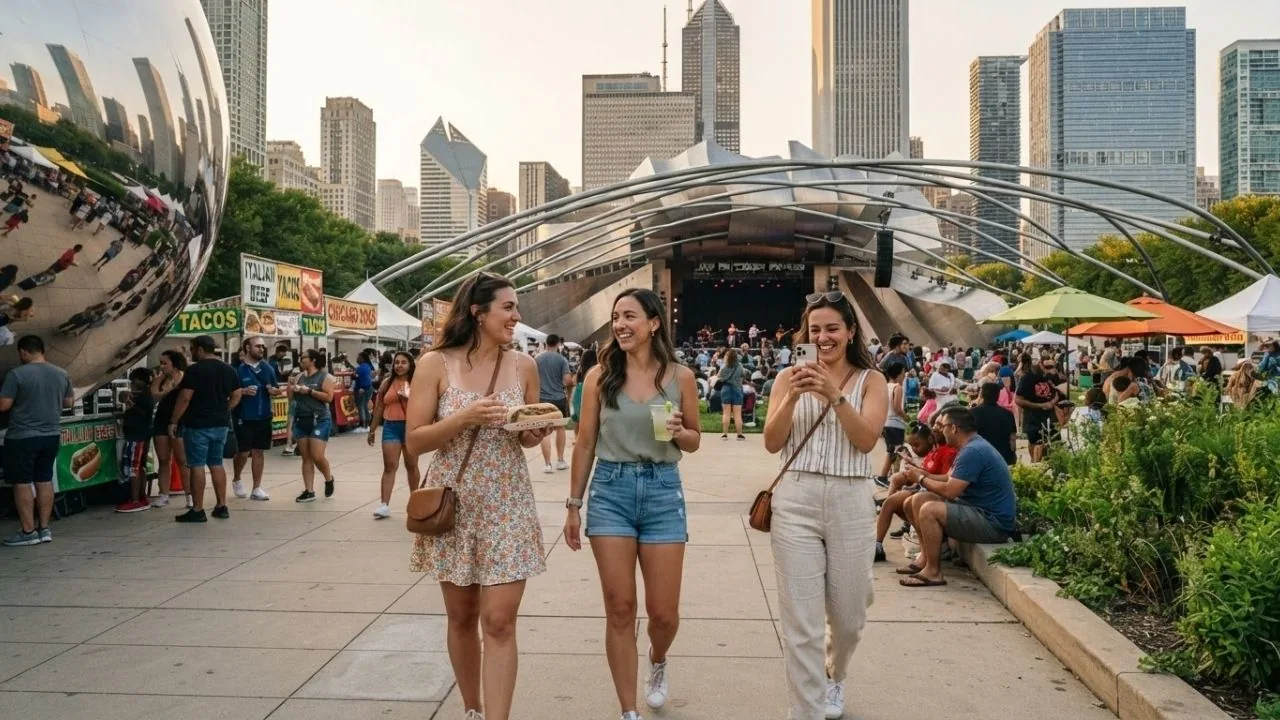
CHICAGO, IL — Chicago’s 2026 festival calendar is turning the city into a long-running stage for music, food, and neighborhood culture from summer into fall. The lineup ranges from downtown gatherings at Millennium Park to street fairs in areas such as Edgewater, Pilsen, and Wicker Park.
That mix gives visitors more than one way to experience the city. Some events are built around free public programming, while others lean into neighborhood vendors, craft markets, and local musicians that help spread traffic and spending beyond the Loop.
The result is a festival season that feels both broad and distinctly Chicago. Jazz, house music, and outdoor dining all play a role, and the calendar is designed to keep drawing travelers well after the peak of summer ends.
Neighborhood fairs put local identity on display
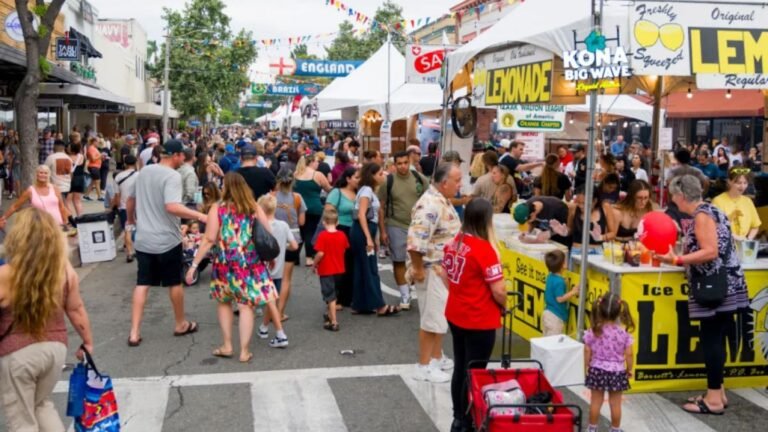
One of the strongest themes in Chicago’s festival season is how deeply it reaches into individual neighborhoods. Instead of concentrating everything downtown, the city’s street fairs invite visitors into districts with their own character, traditions, and small-business ecosystems.
Those events typically feature food stands, handmade goods, and performances by neighborhood artists and musicians. That setup gives travelers a more local feel while also supporting resident communities and the businesses that serve them.
The guide highlights Edgewater, Pilsen, and Wicker Park as examples of how the festival map stretches across the city. By pulling visitors into different wards, the season helps distribute tourism revenue and gives each area a chance to present its own version of Chicago culture.
For fans, that means the experience changes from stop to stop. A fair in one neighborhood may feel rooted in art or music, while another may be driven more by food and family activity, making the season feel like a citywide sampler rather than a single event corridor.
Music and food remain the biggest draws
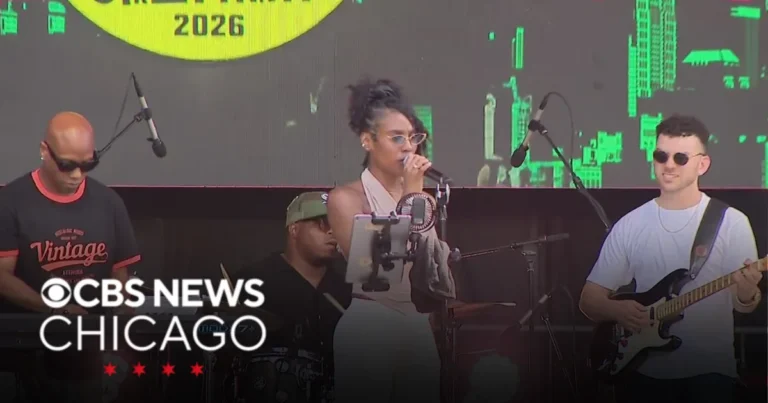
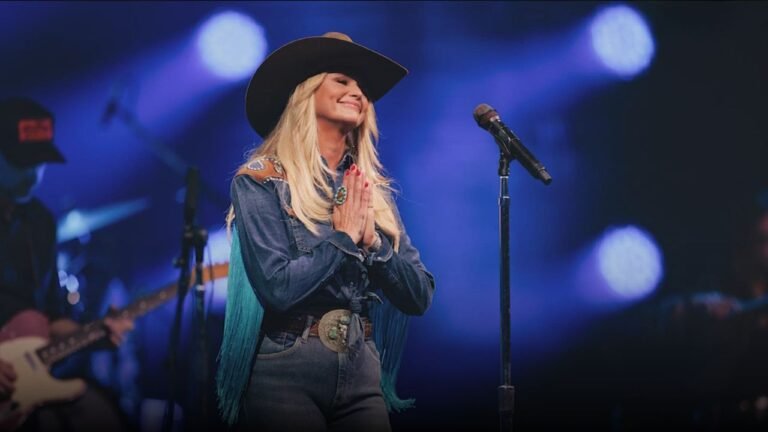
Music is a major reason Chicago continues to pull festival travelers. The city’s identity as a home of house music and a historic center for electric blues gives its summer calendar a built-in edge, especially for visitors planning trips around specific performances.
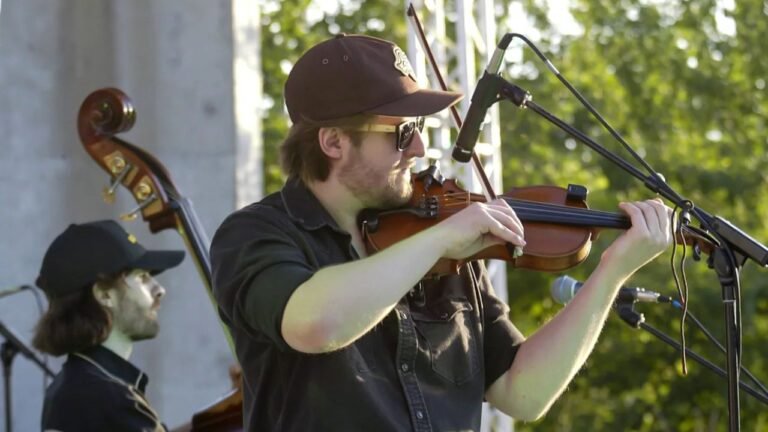
The Chicago Jazz Festival is one of the marquee entries, with performances that bring together local and international artists downtown. The guide also points to house music tributes, street concerts, and suburban concert series that extend the live-music season beyond the city core.
Food is just as central. Outdoor tastings, restaurant showcases, and multicultural food markets put Chicago-style staples alongside dishes from Latin American, Asian, and European vendors. Early fall harvest dinners add another layer by highlighting ingredients from Midwest farms.
That combination matters because it makes the calendar useful for different kinds of travelers at once. Some come for the concerts, others for the food, and many will find themselves planning multi-day visits simply because there is enough variety to fill a weekend.
Millennium Park and fall events keep the season moving
Millennium Park remains the city’s most visible public stage for large outdoor gatherings. Its central location makes it easy to pair concerts and festivals with nearby stops at the Art Institute of Chicago, the Chicago Cultural Center, the Chicago Riverwalk, and Willis Tower.
The park’s free programming is a major draw, especially for visitors looking to enjoy high-quality performances without paying top concert prices. For big shows at the Jay Pritzker Pavilion, gates can open two to three hours early, so early arrival is part of the experience.
As summer gives way to autumn, Chicago’s calendar continues with arts, literary, and design programming. The Chicago Humanities Fall Festival extends the season into the shoulder months, with events in Chicago and Evanston that keep the city active well past Labor Day.
The guide also points readers toward practical transit options, including the CTA L trains, the Purple Line for Evanston events, Divvy bike-share, and the Chicago Department of Cultural Affairs and Special Events calendar for live updates. That makes the festival season feel less like a single trip and more like a citywide itinerary.
Chicago's music scene, one story at a time — Chicago Music Guide.