Ed Sheeran Opens Philadelphia Concert With Apology After Macklemore Removal Sparks Protests, Falling Ticket Prices and Fresh Debate Over Free Speech on His US Tour
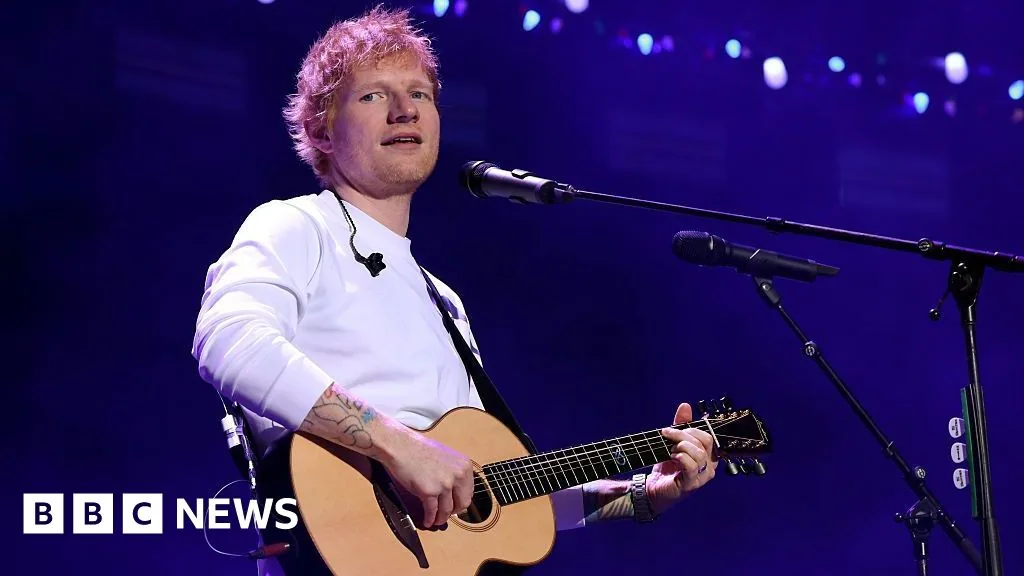
PHILADELPHIA, PA — Ed Sheeran opened his first show since Macklemore was removed from his tour by addressing the controversy directly and apologizing to fans for what he called his own “mistakes.” The Philadelphia concert came after a tense week that saw all of his support acts quit and prompted fresh arguments over free speech, venue control and the politics surrounding the tour.
Before launching into the set, Sheeran told the crowd he had been pulled into “an important and passionate argument” that he never wanted to become part of. He said he had tried for years to keep his concerts focused on unity, but added that the events around the tour had forced him to confront the situation in a way he could no longer avoid.
Sheeran tells fans he is sorry and still figuring out where he stands
Sheeran used the stage to explain that he had been wrestling with difficult choices and public criticism, but that the pressure this week was unlike anything tied to his music. He told fans he had made mistakes and was sorry, while making clear that he wanted to speak plainly about Israel and Palestine rather than let the silence itself be read as a position.
He described the Hamas-led attacks of October 7, 2023, as horrific and said the suffering in Gaza was catastrophic, unjustifiable and disproportionate. He also said the devastation and loss of civilian and children’s lives had broken his heart, and that violence and injustice in the West Bank could not be ignored.
At the same time, the singer said he was still learning and trying to decide how to contribute in a way that might help victims. His comments drew applause from the audience, especially when he said he was worried about any future system that would allow venues to pre-approve performers or content.
Why Macklemore’s removal turned into a broader dispute
The controversy began in early September after Macklemore performed a song dedicated to pro-Palestinian protesters and referred to the death toll in Gaza as genocide, a description Israel rejects. He also said criticism of Israel was not meant as criticism of Jewish people, but the comments quickly became central to the dispute around the tour.
Messina Touring Group said Macklemore was dropped because some venues, including Gillette Stadium in Boston, would refuse to host the concerts if he remained on the bill. Sheeran later said the decision was made by promoters rather than by him, but the fallout spread well beyond one booking change.
Robert Kraft, who owns Gillette Stadium and the New England Patriots, confirmed that he had banned Macklemore from performing during the British singer’s upcoming shows. Kraft accused the rapper of hate speech and said he was selectively presenting information while ignoring Hamas’s actions.
Support acts quit as the row spread across the US leg
The Macklemore decision also led to a rare break with the rest of the lineup. Irish singer-songwriter Aaron Rowe, Danish musician Lukas Graham and his backing band Beoga all quit the tour in solidarity with Macklemore, saying the removal raised concerns about a chilling effect on free speech.
That departure left Sheeran facing a very different stage environment for the rest of the US run. The Philadelphia show became the first chance for him to respond publicly in front of fans, and he said he had not even known whether the tour would continue or whether he wanted to keep being an artist during the dispute.
Still, he said he returned because of his commitment to the people who bought tickets and came expecting music rather than a political fight. He said the concert remained a place where people with opposing views could stand together, and that the audience should not read the night as excluding anyone.
Ticket prices dropped as some fans sought refunds
The controversy has also had a visible effect on the business side of the tour. Ticket prices for the Philadelphia show dropped, with some seats reportedly available for $32, and sales declined for the remaining US dates on the Loop Tour. The tour had previously been one of the highest-grossing in history, making the downturn especially striking.
Some fans said they were able to obtain refunds, although Ticketmaster and Messina Touring Group did not confirm reimbursements. That uncertainty added to the sense that the fallout was still moving through the ticketing and promoter system even as Sheeran continued with the show.
Despite the turbulence, the concert went ahead largely without interruption. The performance was not canceled, and the audience inside the venue appeared ready to focus on the music even as the issue around the lineup remained unsettled.
Protesters outside and divided reactions inside the venue
Outside the venue, a handful of protesters waved flags while the concert proceeded. One protester, who gave his name as Cooper, said he had come to support the Palestinian people and called for more artists with public platforms to speak up for that cause in the United States.
Among ticket holders, many seemed determined to enjoy the night while still respecting the free-speech arguments swirling around the tour. Several said before the show that they hoped to hear great music and avoid turning the evening into a political referendum.
After Sheeran’s remarks, reactions were broadly positive. One fan said he had “covered both sides nicely,” while another called the speech sincere and said that was what people wanted most. For Sheeran, the immediate response suggested the crowd was willing to accept a candid explanation, even if the controversy itself is still unfolding across the rest of his North and South American dates.
Chicago's music scene, one story at a time — Chicago Music Guide.