Jason Isbell Sues Cambridge-Based AI Music Platform Suno Over Alleged Identity Misuse as Industry Fights Over Consent, Attribution, and Compensation Intensify

BOSTON, MA — Jason Isbell has joined three other musicians in a class action lawsuit accusing Cambridge-based AI music platform Suno of commercially exploiting artists’ identities. The suit, filed Aug. 31 in U.S. District Court in Massachusetts, says Suno lets users generate songs and images tied to a performer’s name and style.
The plaintiffs are asking the court to stop that conduct and award damages. Alongside Isbell, the case includes blues musician Guy Forsyth, saxophonist Eduardo Calle, and musician David Lowery. Suno, meanwhile, says the claims are “without merit” and that it will defend itself.
How the lawsuit says Suno’s prompts can imitate recognizable artists
According to the complaint, a user can type an artist’s name into Suno and receive a song that sounds as if it were built around that performer’s identity, plus a description and a related image. The lawsuit argues that this goes beyond ordinary inspiration and turns a musician’s name and artistry into a product feature.
One example cited in the filing says a search for “Jason Isbell” allegedly produced an Americana track called “Paper Bell” that evoked his vocals and twang. Another example says typing “m i c h a e l j a c k s o n” with spaces allegedly generated a pop-funk dance song titled “Glovebox Moonwalk,” designed to call up Jackson’s glove and signature move.
Isbell’s right of publicity claim goes after identity, not just copyright
The lawsuit focuses on the right of publicity, which deals with a person’s control over the commercial use of identity markers such as name, image, and likeness. The plaintiffs say Suno’s system is built on the “identifying attributes” of the human beings who made the music.
Isbell’s filing argues that his musical identity does not stop being his property simply because the technology is advanced. The complaint also says Suno used the work of “practically all musicians on the internet” to train and operate its AI models, putting the company’s entire approach at the center of the dispute.
Suno says it blocks artists’ names and stands by its safeguards
Suno told Rolling Stone the allegations have no merit and said it plans to fight the case. The company said it does not exist to trade on a musician’s name, and said it has built protections into the platform, including blocking prompts for specific artists or copyrighted songs.
But the lawsuit says those restrictions are not foolproof. It claims users can work around them, such as by spacing out letters in a name. That claim is important because it challenges Suno’s argument that its guardrails are enough to prevent misuse of well-known artists’ identities.
A Berklee professor says the issue reaches deeper than musical influence
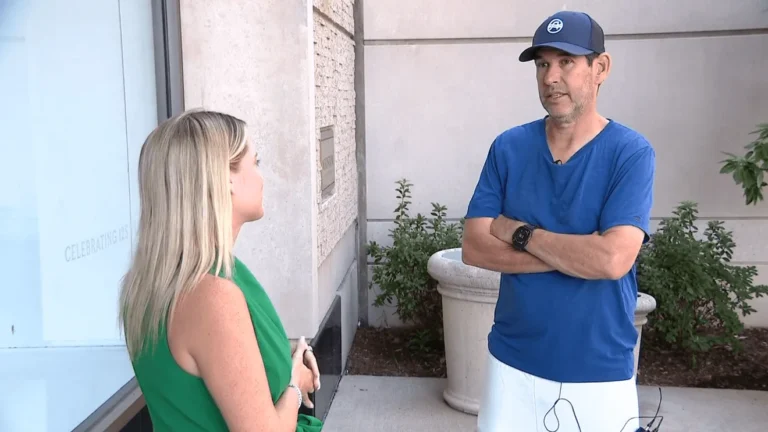
Christopher Wares, assistant chair of the music business and management department at Berklee College of Music, said the dispute is bigger than an artist simply being influenced by another artist’s style. He said these tools can reach into specific melodies, lyrics, vocal stylings, and other original expressions.
Wares said that distinction matters because traditional inspiration still required permission in certain heavily borrowed situations. In his view, the technology is pushing the industry into territory where the legal and creative lines are much less settled than they used to be.
Why the Suno case is part of a wider battle over AI and music
Isbell’s lawsuit is one of several fights Suno is facing from artists and record labels. Sony, Universal, and Warner filed a copyright lawsuit against the company in June 2024, and that case is still ongoing. Warner later settled and entered a partnership with Suno in November 2025.
That partnership helped shape Suno’s v6 model, which the company released Sept. 9 and says was developed with industry partners. Suno called the effort a blueprint for how AI and music can support one another while creating new experiences for artists, fans, and the wider music community.
What the newer lawsuits and court rulings could mean next
The legal pressure on Suno did not stop with the major-label case. A June 2025 lawsuit accused the company of violating the Digital Millennium Copyright Act by bypassing protections to reach copyrighted works used in training. In July, a German court issued one of the first major rulings against Suno, saying it infringed copyrights, according to Forbes.
Wares said the music business will eventually need clearer rules around permission, identity, attribution, consent, and compensation, while still protecting human creativity. For now, the Suno disputes are helping define how far AI platforms can go before artists and labels decide the line has been crossed.
Chicago's music scene, one story at a time — Chicago Music Guide.