The Kinks’ 1965 Single Tired of Waiting for You Gave 20-Year-Old Ray Davies a Second U.K. No. 1 and Proved His Songwriting Could Move Beyond Raw Guitar Rock
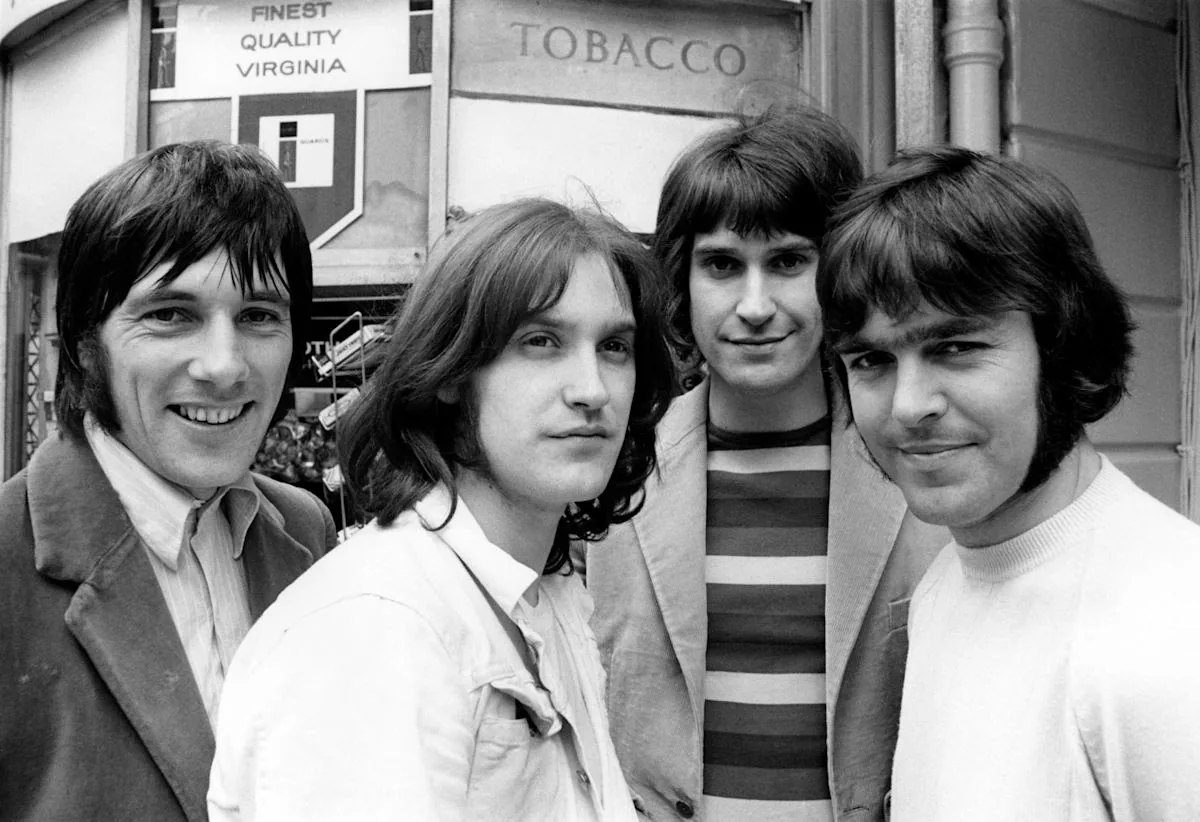
NEW YORK, NY — By the time Ray Davies was 20, The Kinks had already stormed into the British Invasion with one of the era’s loudest breakout records. But the band’s next defining moment arrived not with another jagged riff, but with a slower, more reflective single that revealed a different side of Davies as a writer and singer.
Released in January 1965, “Tired of Waiting for You” became the group’s second U.K. No. 1 and a major hit in the United States as well. More than six decades later, it still stands as one of the clearest early signs that Davies could shape longing and frustration into something as memorable as the band’s harder-edged anthems.
How Tired of Waiting for You shifted The Kinks’ sound
The song followed the explosive success of “You Really Got Me” and “All Day and All of the Night”, records built around distortion and force. Rather than try to repeat that formula, The Kinks chose restraint.
Davies’ melancholy lyric is paired with a more subdued arrangement, giving the single a weary mood that fit its title. The track’s simple premise — being worn down while waiting for someone to decide — gave the singer room to lean into vulnerability instead of swagger. That contrast helped the song stand apart from the band’s earlier hits and widened the sense of what The Kinks could do.
According to Davies, the band was careful not to let the record become overly sweet. He later told Rock Cellar Magazine that even the backing “oohs” were debated closely before they were used. The result was a song that stayed pop-friendly without losing its edge.
Ray Davies said he fell into singing almost by accident
Davies has said he never initially saw himself as the obvious vocalist in the group. In a later NPR interview, he described himself as more of the guitarist, while his brother Dave Davies seemed more naturally suited to singing because of his look and presence.
He also said his confidence in the studio grew only after early recording sessions, when people began telling him he could enunciate clearly. That pushed him into singing almost by accident, rather than through any planned frontman ambition. The comment helps explain why “Tired of Waiting for You” feels so personal: Davies was still finding his voice, and the song captured that in-between stage with unusual clarity.
Even as his role solidified, he remained willing to question conventional pop choices. That willingness is part of what made the record feel different from the band’s heavier breakthroughs.
The song began in 1963 before The Kinks became stars
“Tired of Waiting for You” did not appear suddenly after The Kinks hit it big. Davies said he first came up with the basic idea in 1963, before the band became major stars, then returned to it once their career accelerated.
That long development gave the lyric a sense of lived-in frustration. Rather than a rushed single designed to chase a trend, it emerged from an idea Davies had been carrying for years. The song’s emotional core — exhaustion, indecision and waiting for someone else to make up their mind — fit the kind of writing Davies would become known for as his career moved forward.
His remarks suggest a songwriter already interested in the small emotional details that could make a song feel larger than its runtime. That instinct helped The Kinks expand beyond their early sound.
Its chart run confirmed The Kinks were no one-hit wonder
Released in Britain on Jan. 15, 1965, the single quickly justified the band’s growing reputation. It rose to No. 1 on the U.K. singles chart, becoming The Kinks’ second British chart-topper.
The record also crossed the Atlantic with ease. In the United States, it reached No. 6 on the Billboard Hot 100, adding another major hit to the band’s expanding profile. That mattered because “You Really Got Me” had already broken into the U.S. Top 10, and “Tired of Waiting for You” confirmed the earlier smash was not a one-off.
For a group still in the middle of a rapid rise, the song helped prove that The Kinks could deliver more than one defining moment. It also showed American listeners a different, more introspective version of the band.
Kinda Kinks captured a relentless stretch for the band
The single later appeared on Kinda Kinks, the group’s second U.K. studio album, which arrived just weeks after the song’s release. The timing reflected how fast the band was working during this period.
The Kinks were recording and touring at a relentless pace, and that pressure is part of what gives the album and single their sense of motion. The group had started out struggling to find traction with its earliest records, but by early 1965 it was moving at full speed as one of the standout acts from Britain.
That momentum mattered musically too. The band was no longer defined only by raw volume and guitar attack. “Tired of Waiting for You” showed they could also make restraint feel urgent.
Why the 1965 hit still matters more than 60 years later
More than six decades on, “Tired of Waiting for You” remains one of the best examples of Ray Davies’ range. It showed that he could turn ordinary emotional disappointment into a song with lasting power, without relying on the aggression that first made The Kinks famous.
The single also captures a very specific moment in the band’s history: Davies was only 20 at the time, and he would not turn 21 until June. Even then, he was already writing with the kind of detail and emotional shading that would become central to his reputation.
For fans, the song endures because it bridges two versions of The Kinks at once — the raw young band that broke through with distortion, and the more nuanced group that would keep expanding what British rock could sound like.
Chicago's music scene, one story at a time — Chicago Music Guide.