Music of the Baroque Turns the Chicago River Into an Open-Air Concert Hall as Thousands Gather for Handel and the Hallelujah Chorus
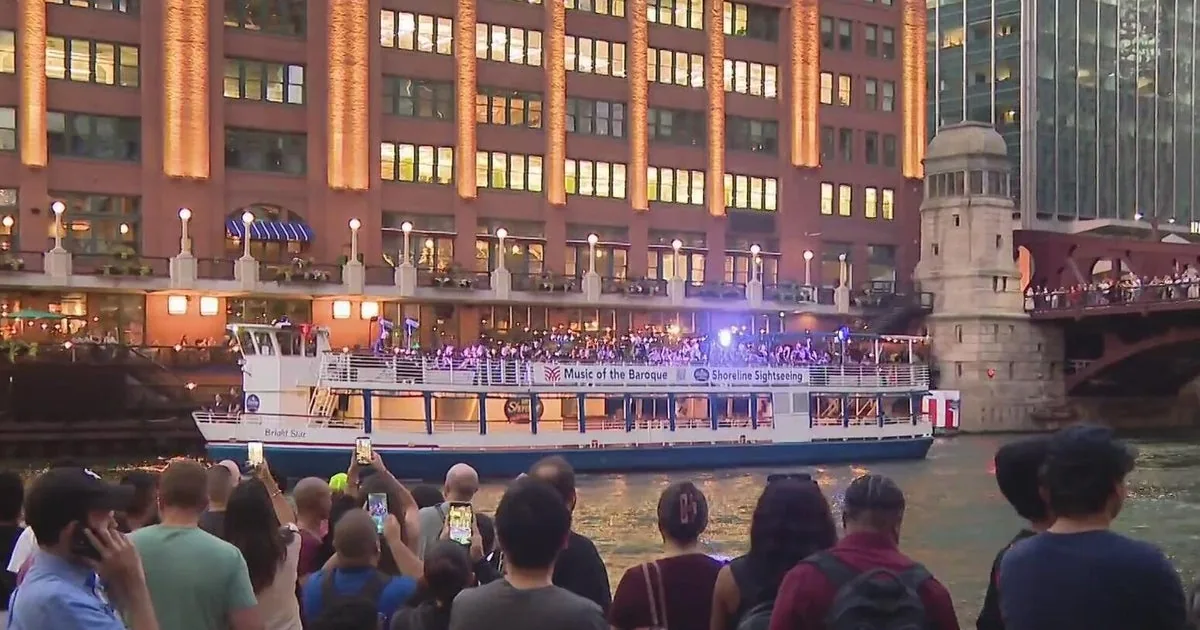
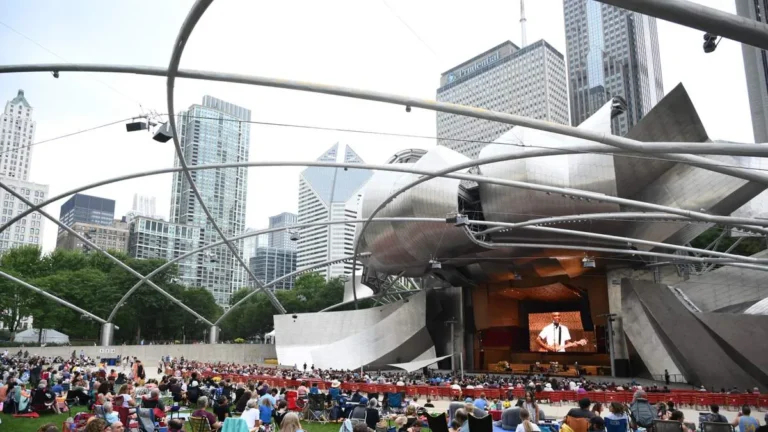
CHICAGO, IL — Thousands of people lined the Chicago River on Wednesday evening for a free performance by Music of the Baroque, turning the Riverwalk and nearby bridges into a packed outdoor audience. The ensemble performed from the water in front of the Merchandise Mart, giving listeners a rare view of classical music framed by the city skyline.
Fans described the scene as lively and unusual, with the riverfront feeling more like a festival than a concert venue. The show also included 40 Chicago Public School students who participate in the Voice Teaching program, adding a youth element to a program built around community access.
A third year of free concerts on the river
This was the third year Music of the Baroque has staged the free river show for Chicagoans. Executive director Declan McGovern said the group sees the riverfront as a natural setting for an outdoor performance because of the architecture, the Riverwalk and the city’s waterfront views.
He said the goal is to share uplifting music with people who might not usually seek out 18th-century classical works in a traditional concert hall. In that sense, the river performance works as an introduction as much as an event, offering a public preview of the ensemble’s sound in a setting that feels approachable and expansive.
Handel’s music meets the Chicago skyline
The program featured music that dates back to the 1700s, connecting the modern riverfront crowd with a long classical tradition. McGovern pointed to George Handel’s history performing this music for a king along the River Thames, then drew a parallel to Chicago’s own river as the backdrop for the same repertoire.
That contrast is part of the appeal: centuries-old choral music played outdoors, with the city’s buildings, bridges and water taking the place of a formal concert hall. For the audience, the setting made the performance feel both historic and newly accessible.
Live sound reaches the Riverwalk crowd
Because the concert was outdoors, organizers used live broadcast equipment so people along the Riverwalk could hear the performance clearly. McGovern said modern electricity made that possible, allowing the music to reach a much larger crowd stretched along the riverbanks.
The setup helped create a shared listening experience even for people far from the stage on the water. Crowds could stop, watch and hear the orchestra and chorus without needing tickets or a theater seat, which helped make the event feel open to anyone passing by.
The evening ends with the Hallelujah Chorus
The concert concluded between LaSalle and Clark with Handel’s “Hallelujah Chorus,” the familiar finale that drew one of the strongest reactions from attendees. One concertgoer said the piece can still be moving even if she does not listen to it often, adding that it brings her to tears whenever she hears it.
Another attendee said the evening captured what makes summer in Chicago appealing: time outside, live music and a shared public experience. For many in the crowd, the final chorus gave the performance a familiar emotional payoff after an afternoon and evening of discovery.
Why the riverfront crowd keeps coming back
The event’s popularity suggests there is real interest in performances that step outside the usual concert format. The Chicago River setting gave Music of the Baroque a way to present classical music to people who might not otherwise encounter it, while also making the city itself part of the production.
By combining free access, a public waterfront and a well-known choral work, the ensemble created something that felt both civic and celebratory. The large crowd showed that a classical concert can draw attention when it is placed in a setting that feels unexpected, social and unmistakably tied to Chicago.
Chicago's music scene, one story at a time — Chicago Music Guide.