Open House Chicago Adds 20 New Sites for 2026, Including Blackhawks Ice Center, Muddy Waters Mojo Museum and Griffin Museum of Science and Industry
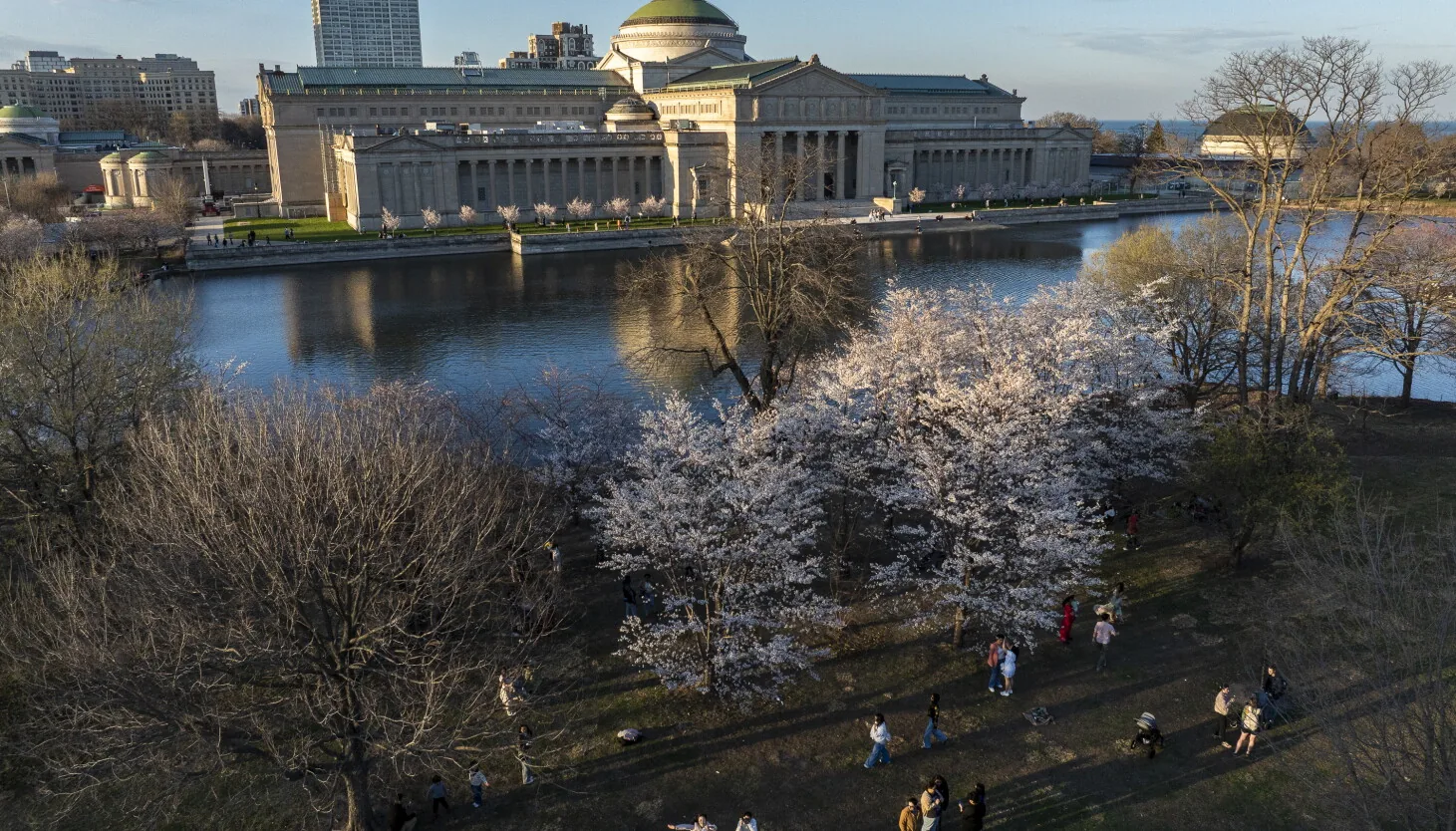
CHICAGO, IL — The 2026 Open House Chicago lineup is out, and this year’s festival adds 20 new places to the citywide list of architecture and cultural destinations. The Chicago Architecture Center released the lineup Wednesday, giving visitors a fresh set of sites to explore during the two-day event.
Open House Chicago returns Oct. 17-18 for its 16th year. The event is free to attend, and no advance registration is required, which means visitors can build their own route and move between locations at their own pace.
With more than 200 sites spread across 30 neighborhoods, the festival remains a broad look at buildings and spaces that are often difficult for the public to access. The Chicago Architecture Center describes it as one of the largest architecture and urban festivals in the world.
Blackhawks, Fire FC and other sports-linked spaces join the schedule
Several of the newest additions will be familiar to fans of Chicago sports and entertainment. The Blackhawks Ice Center on the Near West Side is among the new stops, as is Chicago Fire FC’s Dear Chicago Experience Center on the Near North Side.
Broadway in Chicago’s Cadillac Palace Theatre also makes the list in Downtown Chicago. These locations widen the festival’s appeal beyond classic architecture tours, offering a look at spaces tied to live events, team identity and the city’s broader entertainment footprint.
For visitors, that mix is part of the draw. Open House Chicago has long paired landmark buildings with working venues and newer cultural spaces, and the 2026 lineup continues that approach with places that connect design to everyday public life.
Museums, music and neighborhood culture expand the citywide map
Music and neighborhood culture are well represented in the new roster. Muddy Waters Mojo Museum in Kenwood brings a connection to Chicago’s blues history, while Smashed Plastic Record Pressing in Hermosa points to the city’s ongoing music production scene.
TimeLine Theatre in Uptown joins the list as another arts-centered stop. So does the Griffin Museum of Science and Industry in Hyde Park, a major destination that adds a well-known institution to the festival’s mix of access-heavy public programming.
The additions help the event reach beyond downtown and into a wide range of communities. That spread has become part of Open House Chicago’s identity, with each neighborhood offering a different window into the city’s cultural life and built environment.
Historic and community spaces highlight Chicago's layered neighborhoods
Some of the most notable additions reflect the city’s history through cemeteries, churches and community institutions. Oak Woods Cemetery in Woodlawn and Sears Sunken Garden in North Lawndale are among the new locations, along with St. Pauls United Church of Christ in Lincoln Park.
The lineup also includes the Woman’s Athletic Club on the Near North Side and the Chinese American Service League Kam Liu Building in Chinatown. Those sites add institutional and civic layers to the festival, showing how Chicago’s social history is embedded in the buildings people use every day.
Other additions, including the Bronzeville Black Metropolis National Heritage Area Headquarters and Xchange Chicago at Gary Comer Youth Center, continue that focus on neighborhoods with deep community roots. Together, they help make the festival more than a celebration of design alone.
Woodlawn, Garfield Park and the Near West Side get multiple new stops
Several neighborhoods are getting more than one new location in 2026, underscoring how widely the festival now reaches across the city. Woodlawn adds both Oak Woods Cemetery and Narrow Bridge Arts Club, while Garfield Park brings in Albany-Carroll Arts Building and BandWith Chicago.
The Near West Side also stands out with Blackhawks Ice Center, Windy City Bird Lab and Olson Kundig all on the new list. Downtown picks up FarmZero in addition to Broadway in Chicago’s Cadillac Palace Theatre, showing that the event’s footprint still includes the central business district even as it expands outward.
That variety is part of the practical appeal for visitors planning a weekend route. A person could focus on one neighborhood or build a cross-city itinerary that links arts, sports, history and civic spaces in a single day.
How visitors can plan for a weekend of free access
The Chicago Architecture Center says no registration is needed, so festivalgoers can simply arrive at participating sites during open house hours. That makes the event flexible for both casual visitors and those who want to map out a detailed schedule ahead of time.
The organization is encouraging people to plan their routes in advance, especially because the lineup stretches across 30 neighborhoods and more than 200 locations. With so many choices, the experience can be tailored around interests such as design, music, sports, history or community life.
For Chicagoans and out-of-town visitors alike, the annual festival offers a rare chance to step inside places that are usually closed or difficult to access. The 2026 edition continues that tradition with a mix of returning favorites and 20 new stops.
Chicago's music scene, one story at a time — Chicago Music Guide.